
What unites children of war across geographies is not only loss, but the normalization of survival
Who heals the broken souls of children after war?
The wounds are invisible at first, but they deepen slowly. They mark children who should be playing, not learning to distinguish the sound of rockets from bombs.
Saturday 11/04/2026
What unites children of war across geographies is not only loss, but the normalization of survival
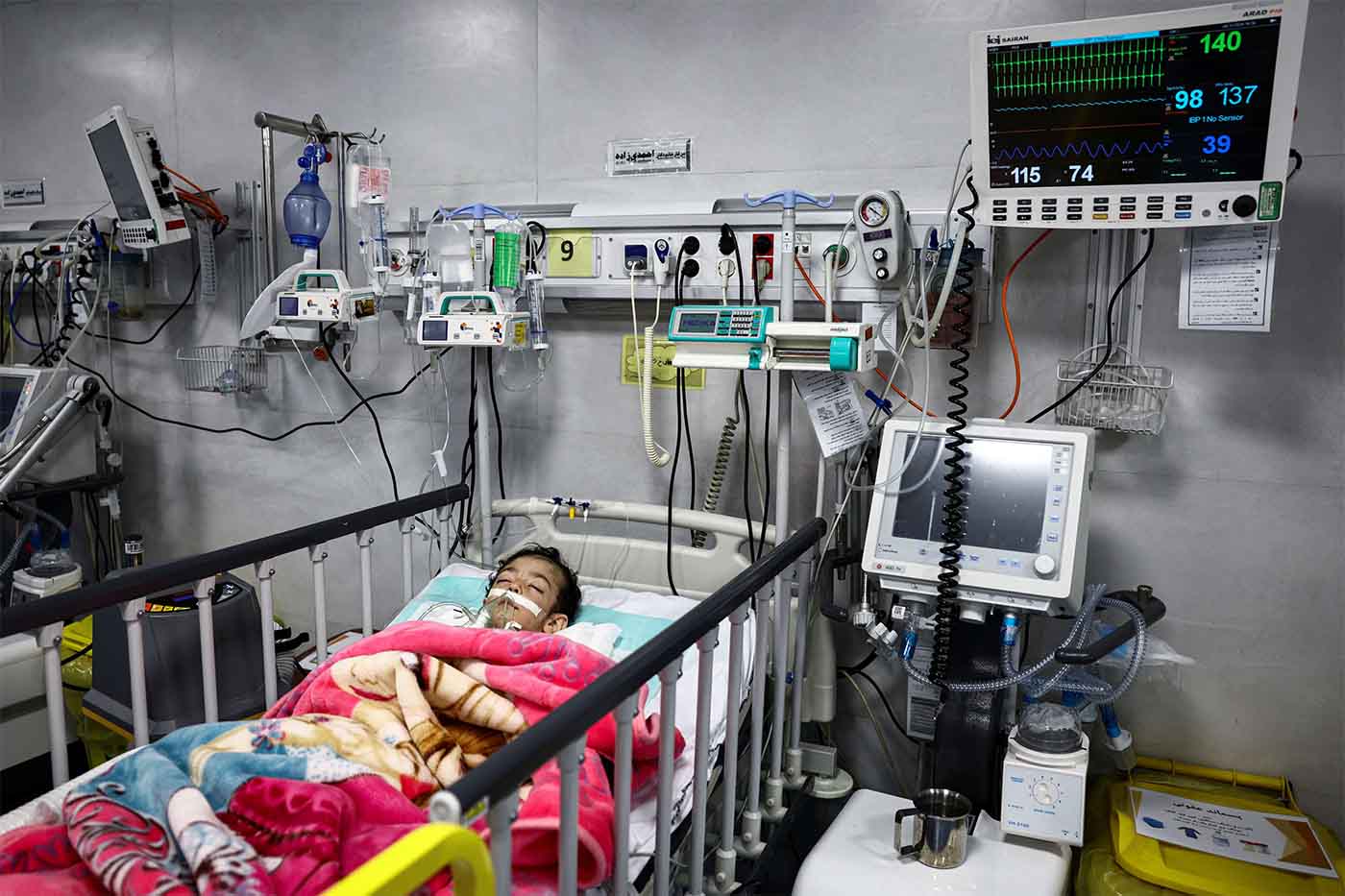
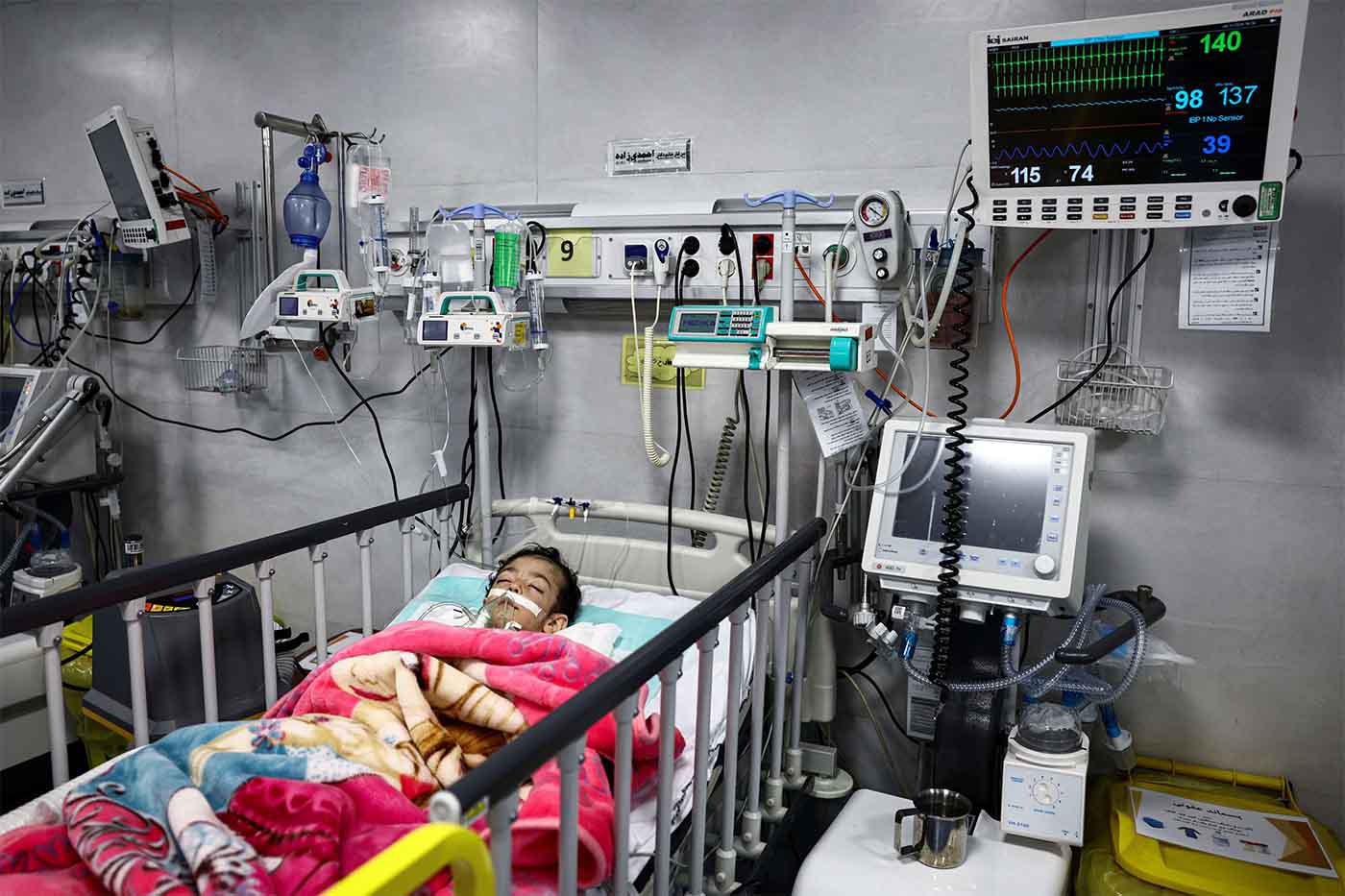
At last, Iran and the United States have agreed on a conditional two‑week ceasefire, allowing shipping to resume through the Strait of Hormuz. Yet, as in most wars, the shift from “open fire” to “cease fire” reflects only the improvisation of politicians — their blindness to the enduring physical and psychological damage wars inflict on children. No one expects them to regret it, or even to discuss it at the negotiation table.
Destruction does not begin when a missile hits a building; it begins when the boundary between what is human and what is merely possible is erased. In that narrow space between a political decision and the firepower to enforce it, childhood is crushed first — silently, without the political noise that could match the scale of the tragedy unfolding inside shattered souls.
The wounds are invisible at first, but they deepen slowly. They mark children who should be playing, not learning to distinguish the sound of rockets from bombs.
When the invasion of Iraq began in 2003, it was not simply the fall of a regime or the redrawing of a political map. It was the start of a long era of anxiety — a legacy of fear and deprivation passed from one generation to the next. The U.S.‑led coalition’s gamble became a human experiment in endurance: children growing up amid constant loss, rationed bread, and cold rice eaten in silence, as if eating itself were a privilege.
In Palestine, where the Israeli‑Palestinian conflict remains an open wound, childhood is postponed indefinitely. There, a child does not need history lessons — history passes over his head every day. He learns early how to hide, how to say goodbye, and how to carry memories he wishes he could forget.
In refugee camps, where tents blur into one another and space itself shrinks, children grow up asking questions far larger than their years — questions about fate and life, with no answers in sight.
What unites children of war across geographies is not only loss, but the normalization of survival. When their greatest dream becomes a roof that doesn’t leak or a warm meal at day’s end, the world has redefined dignity in the harshest possible way. The tragedy ceases to be an event; it becomes a way of life.
The bitterest truth is that this suffering unfolds beneath cold political speeches. Politicians count bodies but never listen. They reduce lives to mute numbers and classify childhood as “collateral damage,” as if it were a detail to be overlooked. But what kind of politics fails to see the child as the center of protection, not the margin of loss?
War has no morality. When leaders insist on waging it, ignoring every peaceful alternative, they strip their decisions of any ethical claim. Morality is not measured by speeches or statements, but by the ability to protect the weakest — to spare them from becoming fuel for conflicts they cannot comprehend. Every decision that overlooks a child expands the circle of ruin, even when disguised as victory.
Cities may be rebuilt, maps redrawn, but what collapses inside a child who has lived through war cannot be easily repaired. The war lives on — in his memory, his nightmares, his breath. Fear becomes a permanent resident. And while politicians declare wars over on paper, they continue in the minds of those never counted.
Optimistic scenarios about war are, in truth, cosmetic cover for immoral political decisions — decisions whose consequences will echo through generations.