


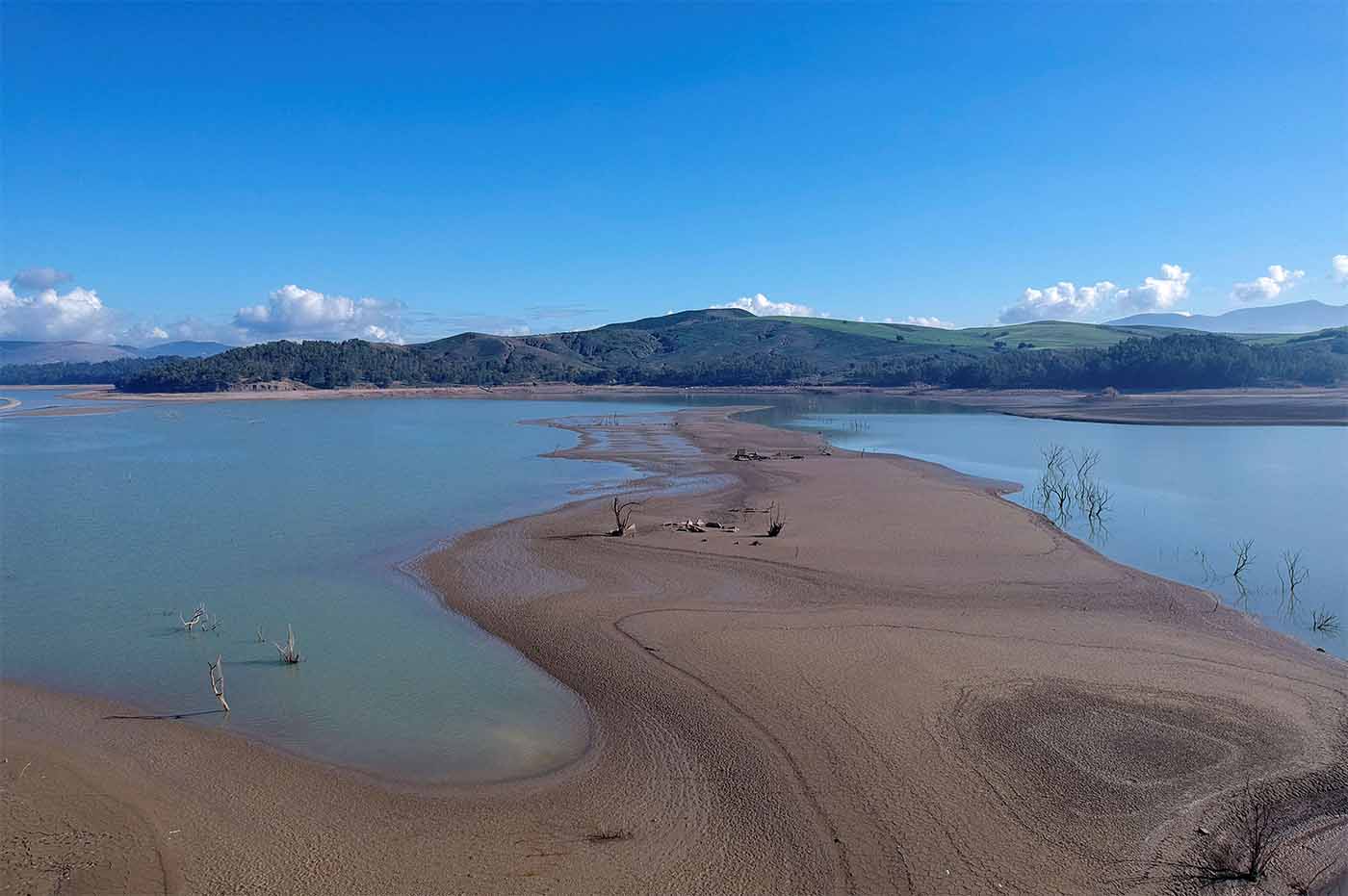
The approval underscores the World Bank Group’s continued partnership with Tunisia in tackling climate and development challenges
World Bank approves $332.5 for Tunisia’s water security and resilience programme
The bold multi-phase initiative launches to combat water scarcity, modernize agriculture, and deliver reliable water to millions amid climate pressures.
Thursday 02/04/2026
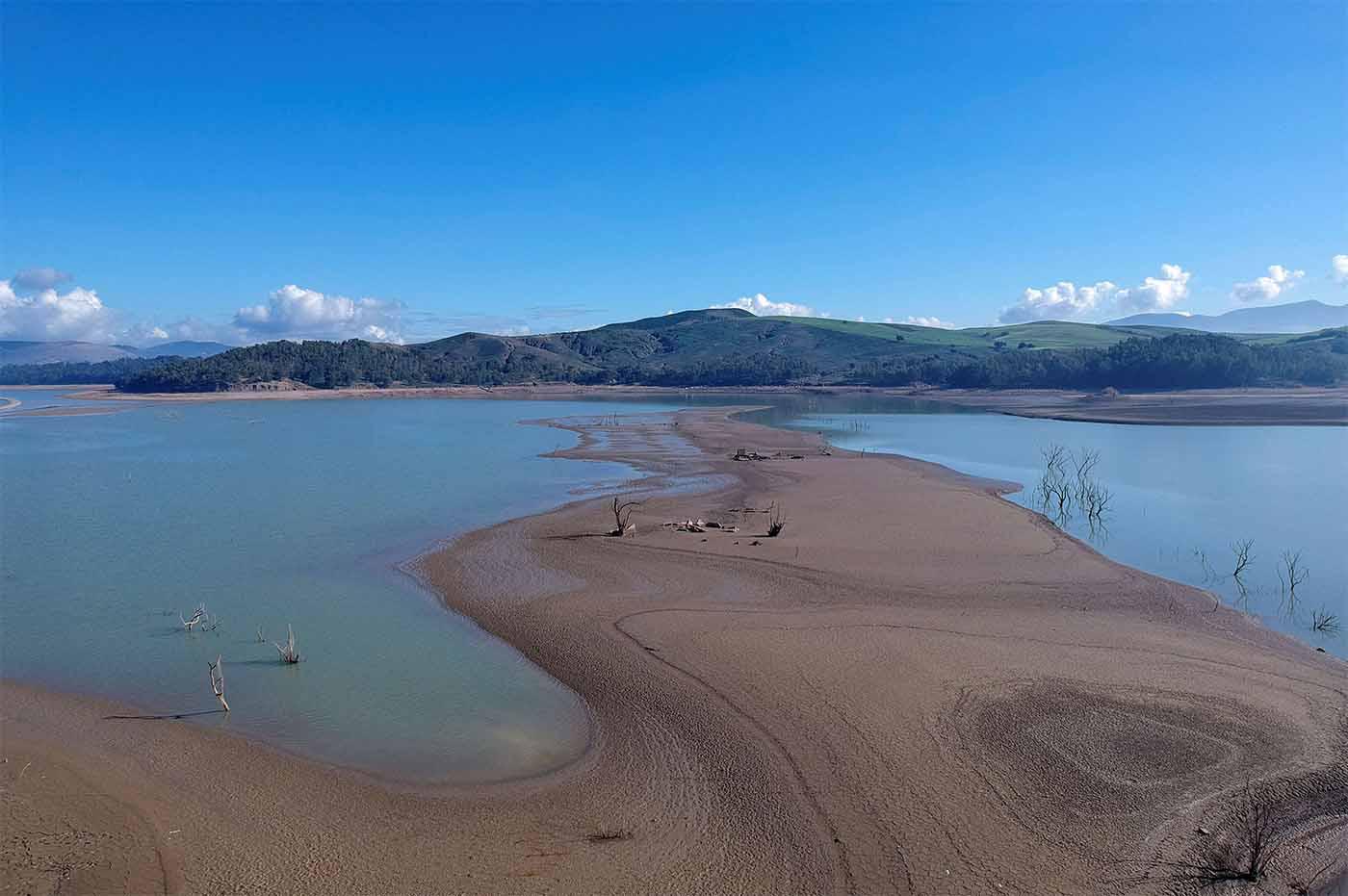
The approval underscores the World Bank Group’s continued partnership with Tunisia in tackling climate and development challenges
WASHINGTON - The World Bank Board of Executive Directors on Tuesday approved two projects totaling US$332.5 million in a major step toward addressing Tunisia’s acute water challenges.
These projects form the first phase of the ambitious Tunisia Water Security and Resilience Programme, a 10-year Multi-Phase Programmatic Approach with a total financing envelope of up to US$700 million.
The programme tackles both urban and rural water issues head-on, aiming to improve potable water services for millions, modernize irrigated agriculture, create thousands of jobs, and build long-term resilience against growing water scarcity and climate change impacts.
Tunisia, already one of the most water-stressed countries in the region, faces intensifying pressures from prolonged droughts, rising temperatures, population growth, and increasing demand for water in agriculture and urban areas. By sequencing investments across phases, the programme allows the government and the World Bank to diversify water sources, strengthen service providers, and scale proven solutions effectively.
Alexandre Arrobbio, World Bank Country Manager for Tunisia, welcomed the approval. “Tunisia has taken important steps to confront growing water scarcity and protect people's access to essential services and livelihoods. Through the Multi-Phase Programmatic Approach, the World Bank Group, including the International Finance Corporation and the Multilateral Investment Guarantee Agency, is mobilizing its full range of instruments and global expertise to deliver comprehensive, lasting water security for Tunisia. This One World Bank Group commitment reflects our determination to support Tunisia's water sector for the long term,” said Arrobbio.
Two Projects, Targeted Impact
The first phase consists of two complementary investments:
-
Irrigation Water Security, Resilience, and Value-Addition Project (US$124 million) This project focuses on rural areas and will rehabilitate key irrigation infrastructure in the governorates of Jendouba, Béja, Bizerte, and Siliana. It aims to improve irrigation water services, strengthen the performance of irrigation operators and local water user groups, and help farmers adopt climate-smart technologies while accessing higher-value markets. Expected benefits: Nearly 4,000 farmers will receive improved irrigation services, and an additional 9,000 farmers will benefit from agricultural extension and value-addition support. The project is projected to generate the equivalent of 3,400 permanent jobs and 7,000 temporary construction jobs.
-
Potable Water Security and Resilience Project (US$208.5 million) Led by SONEDE, Tunisia’s national urban water utility, this project will enhance the quality and reliability of drinking water services. Key components include:
-
Expanding the Zarat seawater desalination plant in Gabès from 50,000 to 100,000 cubic meters per day, supplying safer water to communities in Gabès, Médenine, and Tataouine.
-
Deploying 100,000 smart meters and rehabilitating distribution networks in Sfax, Tozeur, and Kebili to reduce water losses.
-
Supporting organizational modernization of SONEDE. Expected benefits: 2.3 million people will gain more reliable and sustainable potable water services, including 224,000 people who will receive continuous water supply for the first time and 440,000 people who will see improved water quality. The project will create around 600 permanent jobs and 6,000 temporary jobs.
-
Together, the two projects are expected to create more than 4,000 permanent jobs and over 13,000 temporary jobs nationwide while directly supporting livelihoods in both rural and urban settings.
A Long-Term Vision
Phase 1 prioritizes urgent needs in potable water supply and irrigated agriculture. Subsequent phases will expand into sanitation, with Tunisia’s national sanitation utility (ONAS) taking a leading role in wastewater collection, treatment, and reuse—critical for closing the water loop and promoting circular economy principles in a water-scarce nation.
This comprehensive approach aligns with Tunisia’s broader development goals and the World Bank’s commitment to climate adaptation and sustainable economic growth. By modernizing infrastructure, strengthening institutions, and empowering farmers and utilities, the programme not only addresses immediate water shortages but also lays the foundation for more resilient communities and a more productive agricultural sector.
The approval underscores the World Bank Group’s continued partnership with Tunisia in tackling climate and development challenges through integrated, results-focused investments. Implementation will begin immediately, with close monitoring to ensure maximum impact for Tunisian citizens.