


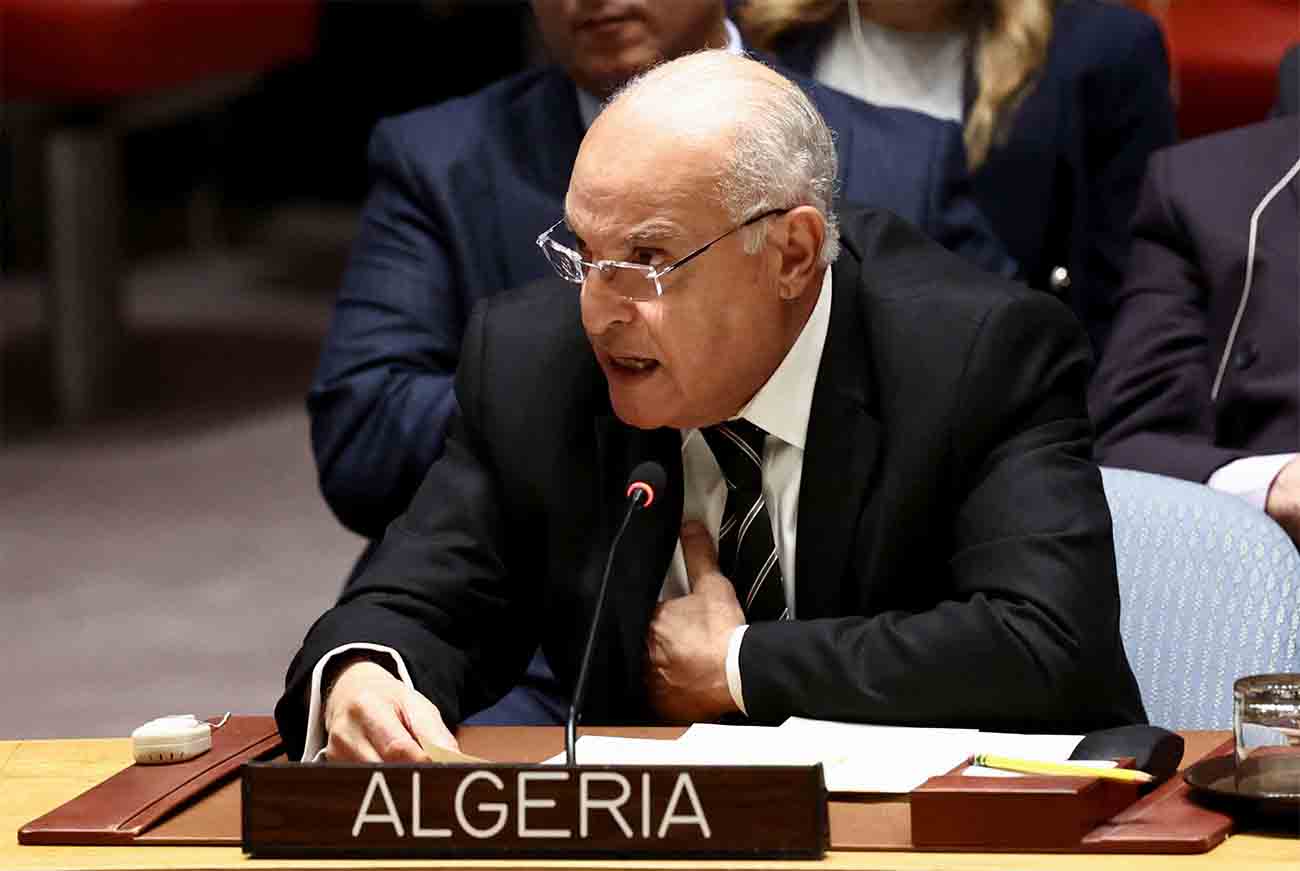
Algerian FM Ahmed Attaf
Algeria’s Mali policy: A growing rift between diplomatic rhetoric and media narrative
While the country’s official diplomatic channels preach a gospel of sovereignty and territorial integrity, its domestic media landscape often hums with a noticeably different frequency.
Tuesday 28/04/2026
Algerian FM Ahmed Attaf
LONDON - In the volatile landscape of the Sahel, Algeria has long positioned itself as a central mediator. However, recent developments in Mali have cast a spotlight on a burgeoning duality in the Algerian response. While the country’s official diplomatic channels preach a gospel of sovereignty and territorial integrity, its domestic media landscape often hums with a noticeably different frequency.
Algeria’s formal stance remains anchored in the language of international law. Foreign Minister Ahmed Attaf recently reasserted this "clear and firm" position during a high-level meeting with his Bosnian counterpart. His message was unambiguous: Algeria supports the unity of Mali—land, people, and institutions—and categorically rejects all forms of terrorism.
Attaf’s rhetoric is rooted in Algeria’s own history, specifically its "Black Decade" of internal conflict. By advocating for "national cohesion" as the ultimate shield against extremism, the Algerian government presents itself as a stabilized power seeking to export its model of institutional resilience to its southern neighbor.
The Media Counter-Narrative: Empathy for the Rebels?
However, the clarity of Attaf’s diplomacy becomes blurred when one examines the reporting of major Algerian media outlets. From established newspapers like El Watan and El Khabar to various digital platforms, a more complex - and controversial - perspective emerges.
Regional observers have noted several key discrepancies in how the Algerian press handles Malian developments:
- Legitimizing Rebel Factions: While the government condemns "all forms of terrorism," various media reports often frame armed groups in northern Mali not as insurgents, but as "local forces" with legitimate grievances and political demands.
- Nostalgia for the 2015 Accord: Much of the media coverage carries a tone of frustration over the collapse of the Algiers-brokered peace deal, sometimes sliding into a narrative that seems to justify the current rebellion as an inevitable consequence of Bamako's choices.
- The "Schadenfreude" Factor: Critics point to a subtext of "gloating" in certain reports regarding the security challenges faced by the current Malian transition government. This suggests a disconnect between the State’s official "solidarity" and a media sector that appears to relish the failures of a neighbour that has pivoted away from Algerian influence.
A Policy of Duality?
This discrepancy raises a fundamental question: Is this a lack of coordination, or is it a calculated "good cop, bad cop" strategy?
Analysts suggest that this duality weakens Algeria’s regional standing. By allowing a media narrative that polishes the image of northern rebels, the Algerian state risks contradicting its own diplomatic pledges of non-interference and support for Malian statehood. This mixed messaging creates a fog of uncertainty, making it difficult for regional and international partners to gauge Algeria’s true strategic intentions in the Sahel.
As the security situation in the Sahel worsens, the gap between what is said in the marble halls of the Ministry of Foreign Affairs and what is printed in the newsrooms of Algiers is becoming harder to ignore. For Algeria to maintain its role as a regional leader, it may soon need to reconcile its formal diplomatic "shield" with the influential narratives being shaped by its own domestic press. In a region where perception is as powerful as reality, consistency is not just a diplomatic virtue—it is a security necessity.