

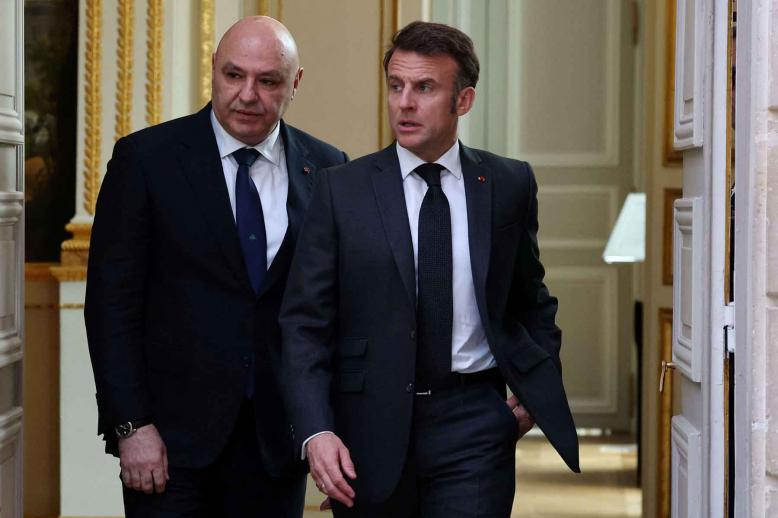
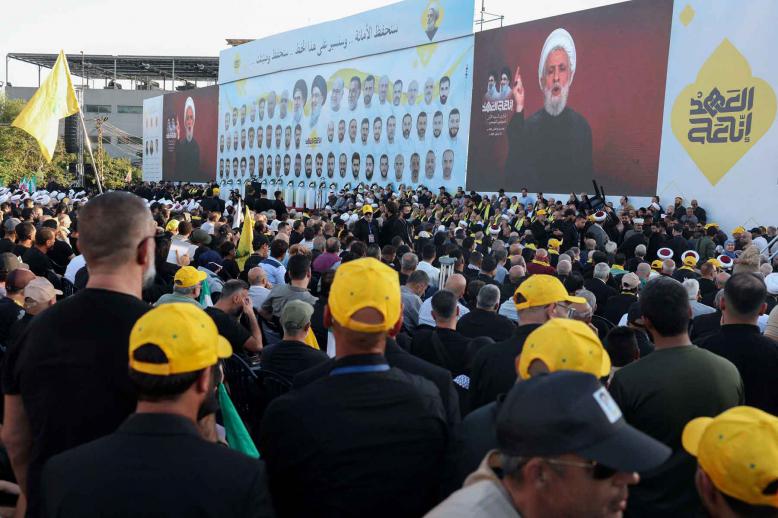

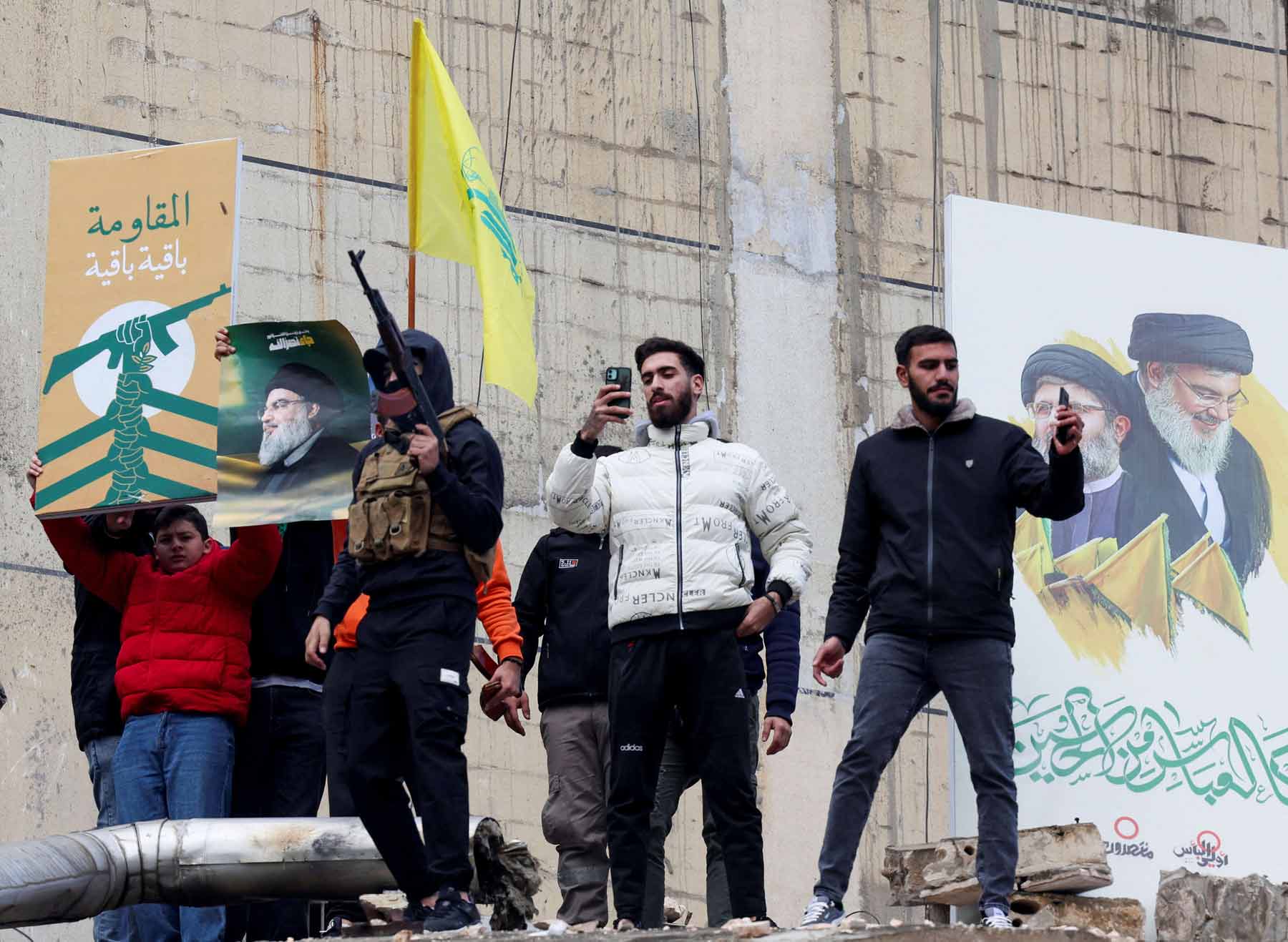
Control over weapons, a long-standing issue in Lebanon’s complex political landscape
Arab states agree to strengthen Lebanon’s army, security forces
The international approach outlined in Cairo prioritises empowering Lebanon’s national institutions as the first line of defence, rather than relying on direct external intervention.
Wednesday 25/02/2026
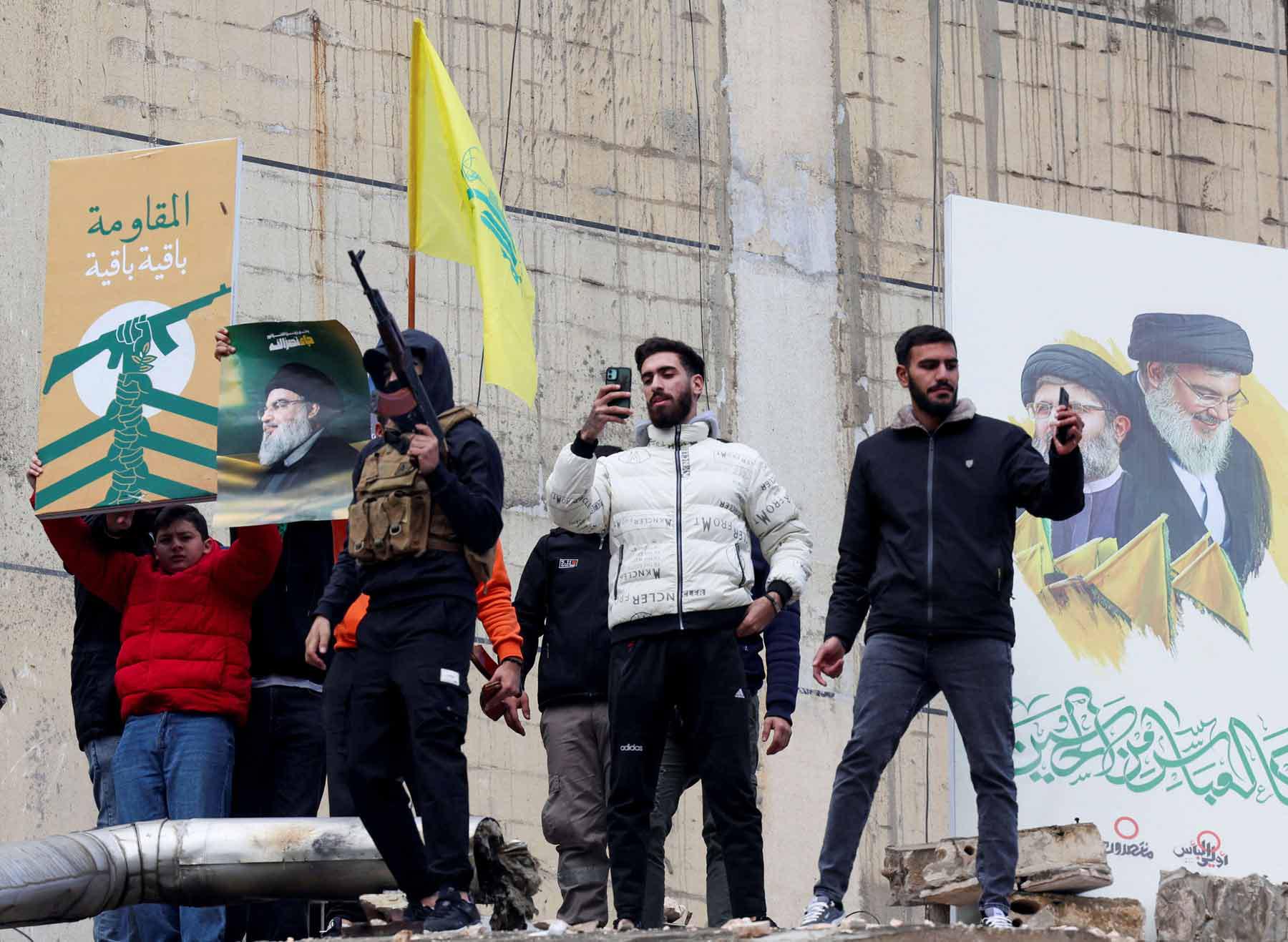
Control over weapons, a long-standing issue in Lebanon’s complex political landscape
CAIRO – A high-level preparatory meeting in the Egyptian capital has laid the groundwork for a major international donor conference in Paris aimed at reinforcing Lebanon’s state institutions, particularly the Lebanese Armed Forces (LAF) and the Internal Security Forces (ISF).
The gathering, described as the sole official preparatory session for the forthcoming Paris summit, underscored growing Arab and international consensus around strengthening the Lebanese state’s authority and ensuring that weapons remain exclusively in the hands of national institutions.
Assistant Secretary-General of the League of Arab States Ambassador Hossam Zaki said the Cairo meeting was designed to coordinate support for Lebanon’s security bodies in a way that preserves their credibility and reinforces their capacity to manage mounting domestic and regional challenges.
The session brought together representatives from the so-called Quintet group, senior European officials, the United States, the United Nations and the European Union, alongside Lebanese security chiefs. It focused on assessing the operational, financial and logistical needs of the LAF and ISF ahead of the Paris conference scheduled for 5 March.
Egypt’s Foreign Minister Badr Abdelatty said the ultimate objective is to enable the Lebanese state to exercise exclusive control over weapons across its territory, a long-standing and sensitive issue in Lebanon’s complex political landscape.
He praised the Lebanese army’s completion of the first phase of a national plan to centralise weapons under state authority, particularly south of the Litani River, within the agreed timeframe. The progress, he said, reflects the professionalism of the military institution and justifies intensified international backing to complete the remaining stages.
Diplomatic sources indicated that continued financial and technical support will be closely tied to measurable progress in implementing this plan. Should donors judge that reforms are stalling, the scale of assistance could fall short of Beirut’s expectations.
Beyond security assistance, the Cairo talks also delivered clear political messages. Ambassador Zaki stressed the need for Israel to respect international law and refrain from violations of Lebanese territory, airspace and territorial waters. Egyptian officials called for a full and unconditional Israeli withdrawal from all Lebanese territory still under occupation following the latest hostilities.
Participants urged the comprehensive and simultaneous implementation of UN Security Council Resolution 1701, warning that continued breaches undermine the Lebanese army’s ability to carry out its mandate and stabilise the south.
The involvement of the United Nations Interim Force in Lebanon (UNIFIL), the UN Special Coordinator’s office and the EU’s external action service underscored the broad international engagement in safeguarding Lebanon’s sovereignty.
While no comprehensive funding package was finalised in Cairo, European Union representatives signalled their intention to pledge $100 million in support of the Lebanese army at the Paris conference, the only specific figure to emerge publicly from the discussions.
The meeting also examined Lebanon’s parallel security and economic crises. Officials emphasised that strengthening the armed forces and internal security apparatus is not solely a defence matter but a cornerstone of economic recovery.
Effective security institutions, they argued, are essential to restoring investor confidence and stabilising the country’s fragile financial environment.
Lebanon remains mired in a deep economic downturn, making international assistance to its security institutions an integral component of broader state reconstruction efforts.
The international approach outlined in Cairo prioritises empowering Lebanon’s national institutions as the first line of defence, rather than relying on direct external intervention. By building sustainable domestic capacity, donors aim to reinforce state legitimacy and reduce the scope for external interference in Lebanese affairs.
Arab League officials described the meeting as a pivotal step towards the Paris summit, extending beyond immediate security needs to bolster national legitimacy and reaffirm Lebanon’s sovereignty.
As the March 5 conference approaches, the Cairo meeting has set the tone for what could become a decisive moment in Lebanon’s efforts to consolidate state authority, strengthen its security institutions and demonstrate to the international community its commitment to building unified and effective national structures capable of navigating complex regional pressures.