



Timing concerns
Paris, Beirut delay Lebanese army conference amid regional tensions
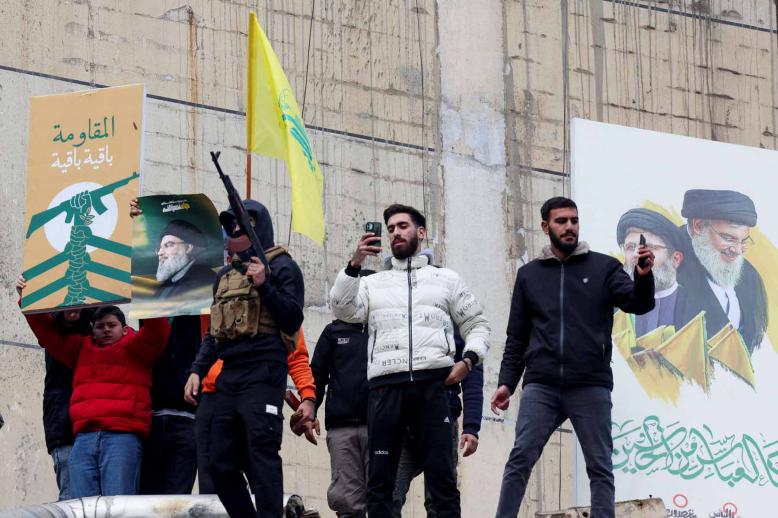
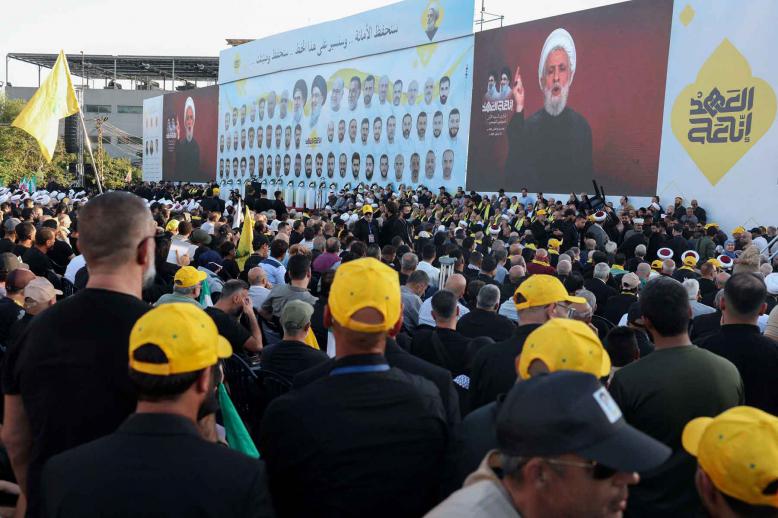
Lebanon, which is still reeling from a 2024 war between Israel and the Iran-backed Hezbollah, fears Hezbollah may intervene in the conflict.
Monday 02/03/2026

Timing concerns
PARIS – France and Lebanon are postponing a March 5 conference on the Lebanese army to April, the Elysee palace said in a statement on Sunday, following the launch of US-Israeli strikes on Iran.
A joint statement by both countries' presidencies said Lebanese President Joseph Aoun and his French counterpart Emmanuel Macron "decided to postpone until April the conference ... which was to be held on March 5 in Paris" after discussing "the latest developments affecting the security of the entire region."
"The conditions were not met to hold the meeting on the scheduled date."
France, Lebanon’s former colonial power, plans to mobilise international backing for the Lebanese armed forces and internal security forces at the conference.
The statement stressed that the gravity of the regional situation underscored the need to safeguard Lebanon’s stability, support its legitimate institutions and ensure the full restoration of its sovereignty.
Lebanon, which is still reeling from a 2024 war between Israel and the Iran-backed Hezbollah, fears the group may intervene in the conflict.
Iran’s ability to project power across the Middle East extends beyond its conventional military capabilities of missiles, drones, naval assets and special forces. Central to this regional influence is a network of Iran-backed militia groups, many of which are overseen by the Islamic Revolutionary Guard Corps’ (IRGC) Quds Force. These militias provide Tehran with flexible tools for retaliation and influence across multiple theatres.
Hezbollah in Lebanon stands out as the most organised and capable of these groups. Despite significant attrition and operational constraints, the group retains a sophisticated arsenal and continues to represent a potential threat to regional actors, including Israel and US interests in Lebanon and beyond.
In contrast, Iraq’s Popular Mobilisation Forces, while less coordinated and more fragmented, are heavily armed and remain capable of carrying out targeted attacks on American forces and other strategic targets within Iraq.
The Houthis in Yemen add another dimension to Iran’s regional leverage. The group has demonstrated the capacity to strike targets in Israel, Saudi Arabia and the United Arab Emirates, as well as disrupt maritime traffic through the Bab al-Mandab Strait and the wider Red Sea corridor. Their operational reach has proved particularly disruptive to shipping and energy logistics, amplifying their strategic significance.
Other groups, such as Hamas, are often mentioned alongside Iran-backed militias. Analysts caution, however, that Hamas operates more as a partner of convenience than a core element of Tehran’s network. The group’s Sunni identity and its past divergences during the Syrian conflict limit its integration into Iran’s militia ecosystem.
Collectively, these militias offer Iran a layered approach to regional engagement and retaliation.
While Hezbollah’s capabilities are somewhat degraded, the group remains armed and operationally significant. The Iraqi militias provide pressure points against American presence in Iraq, and the Houthis maintain both strategic and operational reach.
Together, they form a core network that Iran can potentially leverage to target US forces, regional allies, Gulf states, and Israel, providing Tehran with asymmetric options to respond to military actions without committing its conventional forces directly.