


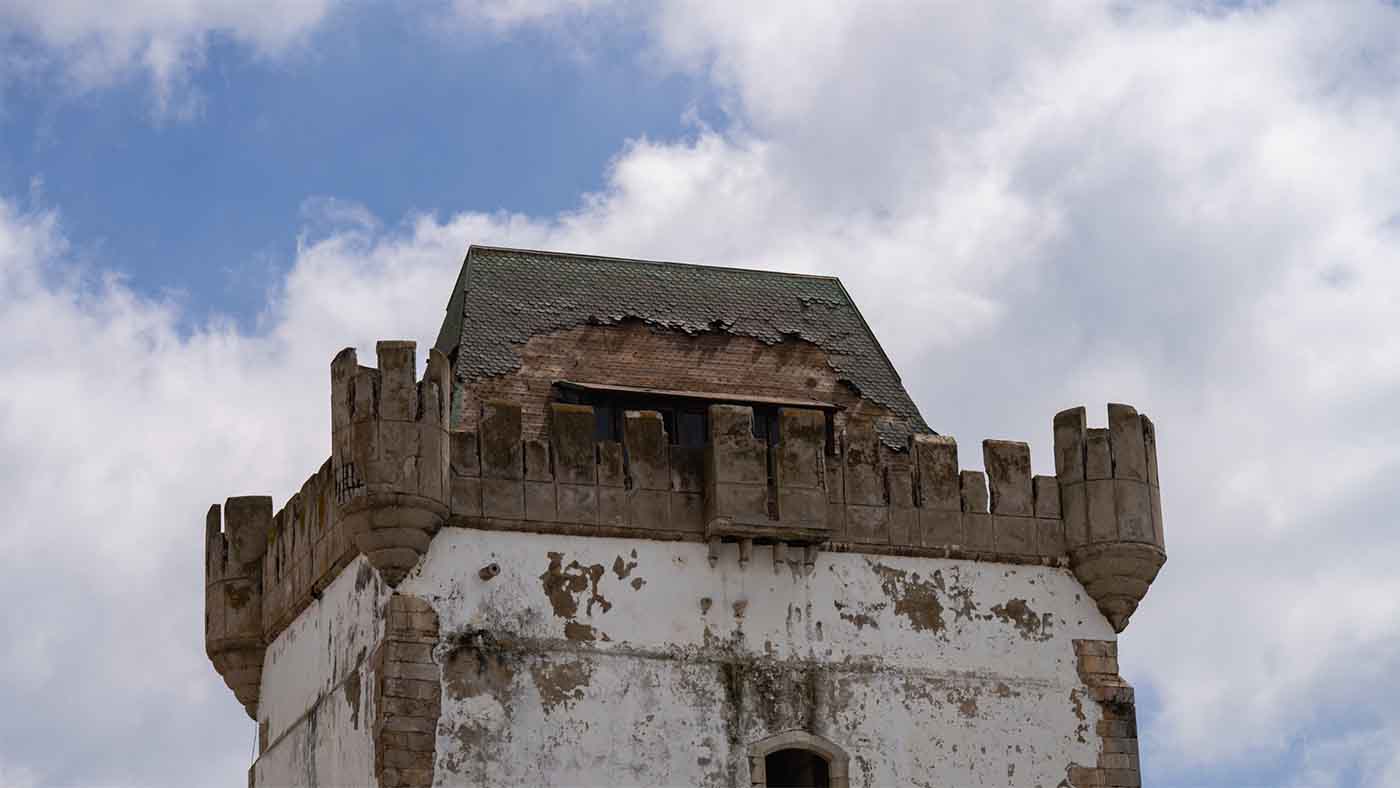
Assilah's historic heritage under the threat of vandalism
Assilah’s historic ‘Al-Qamra’ tower vandalised
Assilah’s civil society activists condemn the theft of brass parts from the top of the Al-Qamra tower and demand the rescue of what remains of its cultural heritage.
Friday 03/04/2026
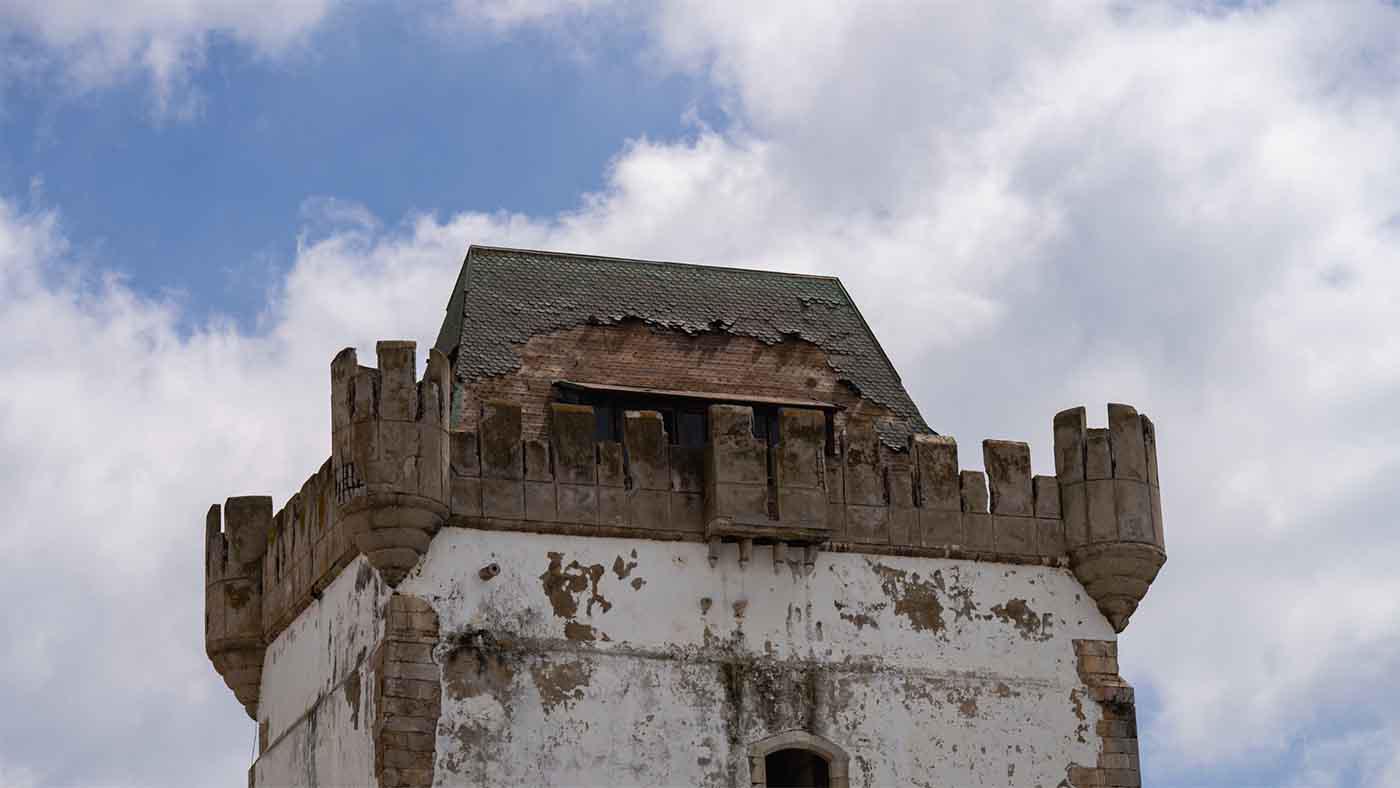
Assilah's historic heritage under the threat of vandalism
ASSILAH - The Northern Moroccan city of Assilah is experiencing a massive wave of condemnation and sorrow following the theft of the brass parts from the top of the historic Portuguese "Al-Qamra" tower, in an attack described as serious, as it targets one of the most important symbols of the city and its collective memory.
Civil society activists considered the incident to be more than just an ordinary theft, classifying it as a blatant assault on cultural and historical heritage, which reveals with alarming clarity the weakness of the supposed protection and maintenance mechanisms for such monuments of national and international value.
The "Al-Qamra" tower holds a special symbolic status, not only for its connection to the history of Assilah, but also for the civilizational and diplomatic dimensions it carries, since its rehabilitation as part of a partnership between the Assilah Forum Foundation and the Portuguese Gulbenkian Foundation, and its official inauguration in 1994 in the presence of the then Crown Prince, King Mohammed VI, and the Portuguese President Mário Soares.
The tower is also linked to a pivotal page in history, as it is said to have been the place where the Portuguese King Sebastian I spent his last night before heading to Ksar El Kebir, where the famous Battle of Wadi al-Makhazin took place in 1578. The battle ended in a decisive Moroccan victory and the fall of three kings, to be immortalized in history as the "Battle of the Three Kings."
Given the seriousness of the incident, voices have been raised demanding an urgent and transparent investigation to determine responsibilities, with a call for immediate and firm intervention from the concerned authorities to protect the city's remaining historical monuments.
There are growing fears that the repetition of such acts will undermine the cultural and touristic capital that Assilah has accumulated over decades.
The anger was intensified by the residents' perception of a delayed response from the competent authorities, which was considered unacceptable and necessitates practical measures to ensure these attacks are not repeated.
In a related context, the "Assilah in a Picture" Facebook page launched an urgent appeal to protect the local heritage, stressing that the "Al-Qamra" tower is not just a historical monument, but a living witness to the city's memory and spirit. The appeal called for a collective mobilization of citizens and authorities to preserve this legacy from vandalism and neglect.
It also stressed that the protection of historical monuments is a shared responsibility, warning that the theft of its components constitutes a crime against the city and its history, before concluding with a moving call: "Let us all be one voice for the protection of Assilah's heritage... because cities without a memory lose their soul."
In his commentary on the incident, Moroccan writer and poet Ahmed El Madini described it as a "heinous crime," calling for a comprehensive mobilization of various security services and competent authorities, and a firm stance from the Ministry of Culture and all those zealous about the national heritage, in order to uncover the perpetrators and put an end to such attacks that threaten historical monuments.
He stressed that Assilah, which for decades has been a cultural and artistic beacon thanks to the efforts of the late Mohamed Benaissa, today faces real challenges that threaten its civilizational heritage, requiring collective vigilance to protect this legacy and preserve it for future generations.