

‘A sharp rise in protection requests’
Europe moves to defend interests as Middle East tensions intensify
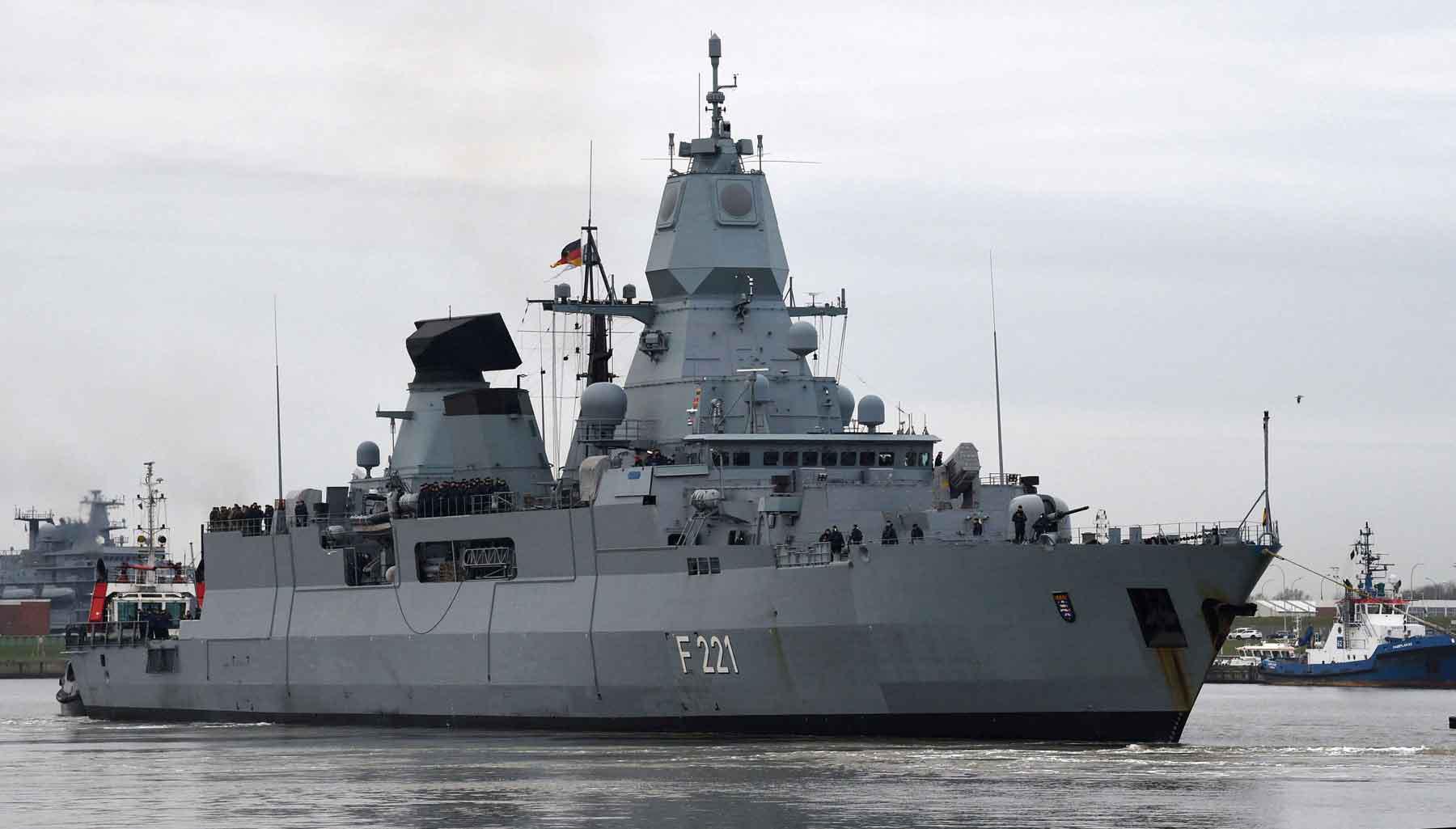
The European Union is reinforcing its naval mission, Aspides, across the Red Sea, Gulf and Indian Ocean.
Monday 02/03/2026
‘A sharp rise in protection requests’
LONDON/PARIS – European leaders signalled on Sunday that they were prepared to take decisive steps to safeguard their interests in the Middle East after a series of “indiscriminate and disproportionate” missile attacks by Iran, following the killing of the country’s Supreme Leader Ali Khamenei in US and Israeli air strikes.
In a joint statement, the leaders of Britain, France and Germany, collectively known as the E-3, said: “We will take steps to defend our interests and those of our allies in the region, potentially fire missiles and drones at their source. We have agreed to work together with the US and allies in the region on this.”
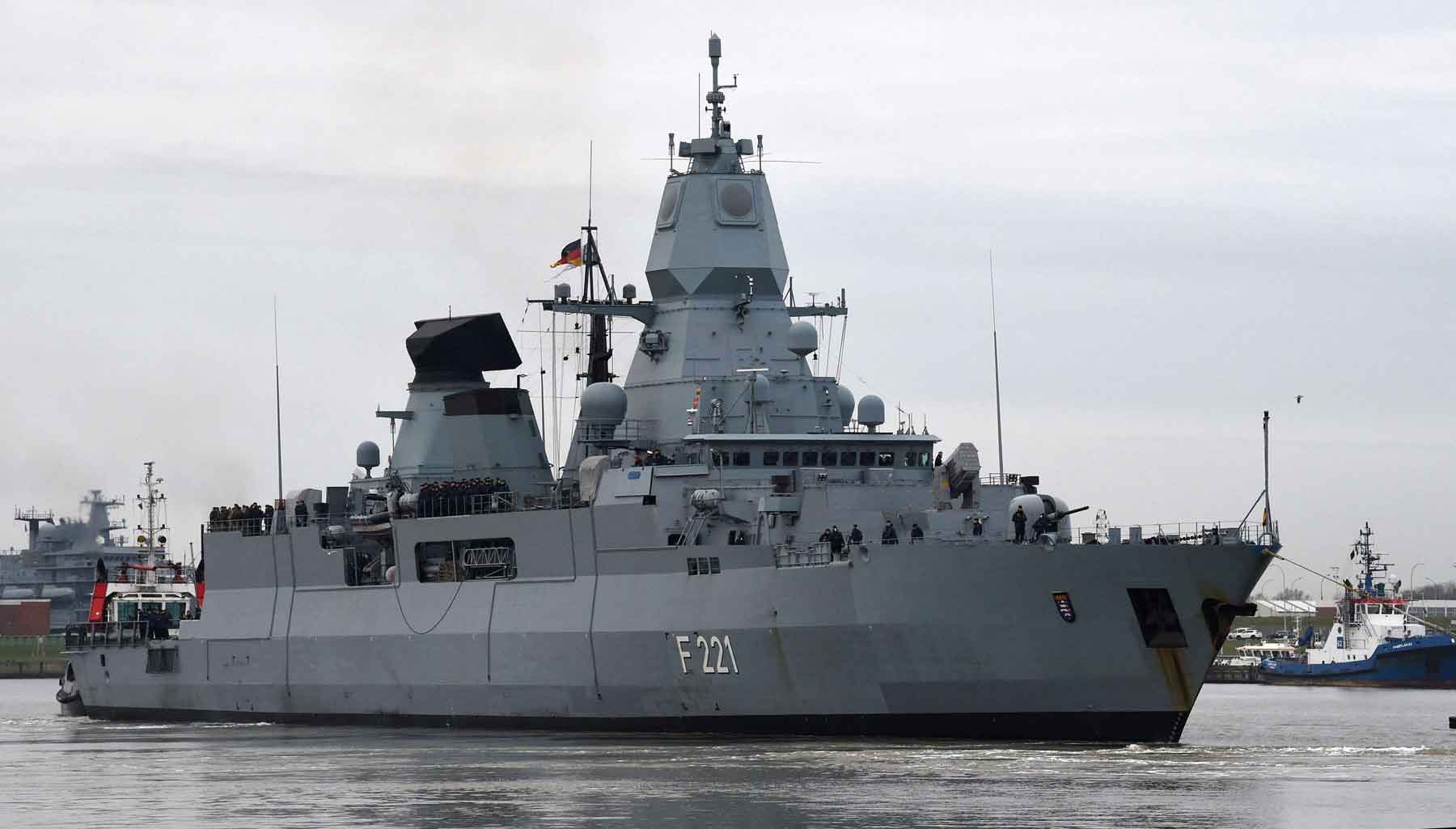
The European Union is also reinforcing its naval mission, Aspides, across the Red Sea, Gulf and Indian Ocean.
Speaking after a videoconference with European foreign ministers, EU foreign policy chief Kaja Kallas said: “Our naval mission, Aspides, has seen a sharp rise in protection requests, and we will reinforce it with additional ships to bolster maritime security in the region.”
Kallas added that she plans to convene a meeting with Gulf countries to coordinate efforts and strengthen regional security.
In London, Prime Minister Keir Starmer confirmed that Britain had agreed to a US request to use British military bases for defensive strikes against Iranian missile storage depots and launchers.
“The United States has requested permission to use British bases for that specific and limited defensive purpose. We have taken the decision to accept this request to prevent Iran firing missiles across the region,” Starmer said in a video message on X.
Starmer stressed that Britain had not participated in the US-Israel air strikes that killed Khamenei on Saturday and would not join any further waves of attacks. Nevertheless, he acknowledged that Iran’s retaliatory missile and drone strikes had already hit airports and hotels housing British citizens.
“Our decision that the UK would not be involved with the strikes on Iran was deliberate, not least because we believe that the best way forward for the region and for the world is a negotiated settlement, one in which Iran agrees to give up any aspirations to develop a nuclear weapon,” he said.
“But Iran is striking British interests nonetheless, and putting British people at huge risk. Britain’s partners in the Gulf had asked it to do more to defend them, and it was my duty to protect British lives,” the prime minister added.
Starmer confirmed that British fighter jets were already engaged in coordinated defensive operations, intercepting Iranian missile strikes. He emphasised that the only effective way to neutralise the threat was to target missiles at their origin, in storage depots or launchers.
“Accepting the US request, therefore, was based on the collective self-defence of long-standing friends and allies and protecting British lives in accordance with international law,” he said.
The E-3 and EU initiatives reflect a growing European commitment to maintaining security amid escalating regional tensions, as the US and Israel continue military operations targeting Iran, and Iran responds with missile and drone strikes across the Gulf.
Officials indicated that these steps, combining naval reinforcements and coordinated defensive actions, aim to safeguard civilians, protect key infrastructure and prevent the conflict from spreading further into European and Gulf interests.