


Iraq’s fragile stability under strain
Foreign oil workers flee Iraq as embassy attack raises escalation fears
It is the first time the diplomatic complex has been targeted in more than two years, reviving memories of attacks on US interests in Iraq and Syria during the Gaza war in 2023.
Sunday 08/03/2026
Iraq’s fragile stability under strain
BAGHDAD – The rocket attack on the US embassy in Baghdad marks a potentially dangerous shift in the widening confrontation between the United States, Israel and Iran, signalling that Iraq could once again become a frontline in the region’s escalating conflict.
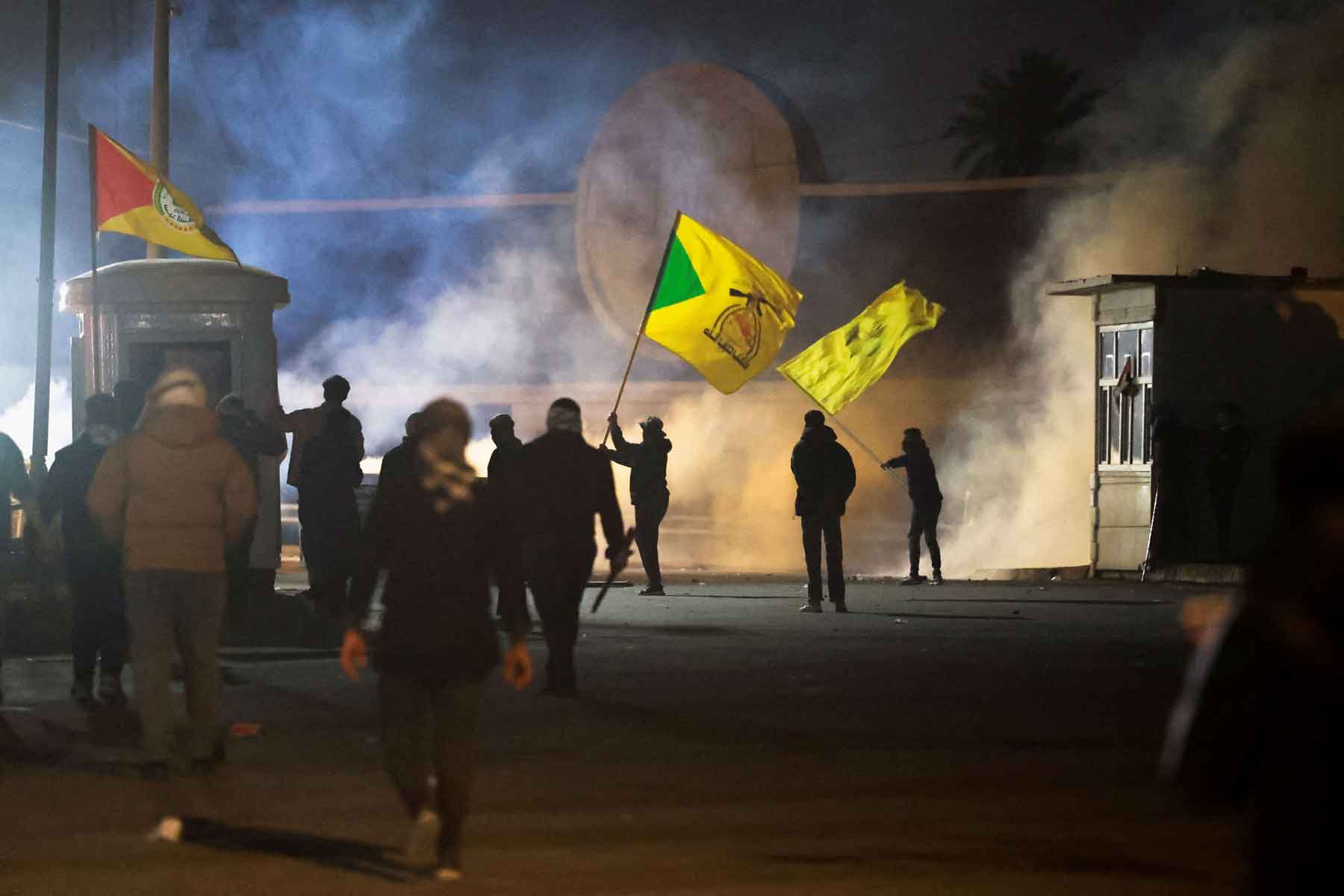
Late on Saturday evening, Katyusha rockets were fired toward the embassy compound in central Baghdad, triggering air-raid sirens and sending residents scrambling for cover. Iraqi security officials said the embassy’s C-RAM defence system intercepted at least one projectile and that none struck the compound, leaving no reported American casualties.
Yet the symbolic significance of the attack may outweigh the immediate damage.
It is the first time the heavily fortified diplomatic complex has been targeted in more than two years, reviving memories of the wave of attacks on US interests in Iraq and Syria during the Gaza war in 2023. This time, however, the regional context is far more volatile.
The strike appears to underline a shift by Iran-aligned Iraqi militias that have vowed revenge for the killing of Iran’s supreme leader during the US-Israeli assault on Iran.
Until now, militia activity linked to the conflict had focused largely on US military facilities in Iraqi Kurdistan and energy infrastructure connected to American interests. Targeting the embassy signals an expansion of the battlefield and a willingness to strike highly symbolic US assets.
For Washington, the Baghdad embassy represents more than a diplomatic mission. It is the largest US diplomatic complex in the world and a key hub for American influence in Iraq. Any sustained attacks there risk forcing Washington to reassess its presence in the country.
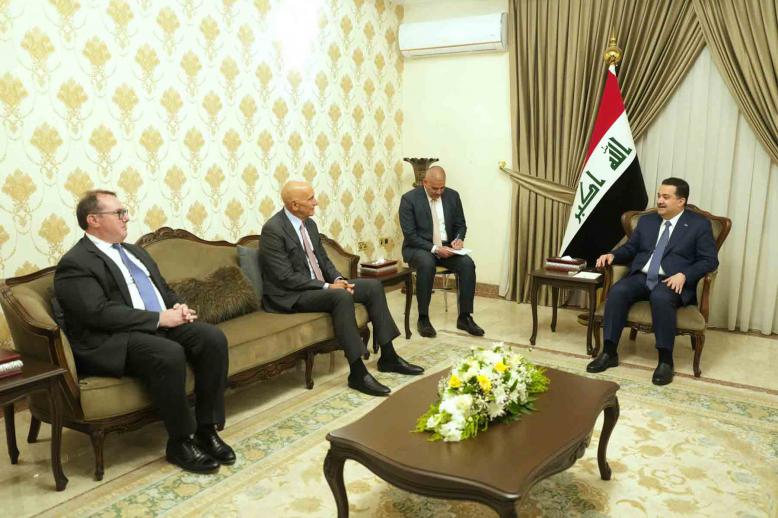
Iraqi Prime Minister Mohammed Shiaa al-Sudani condemned the strike, describing those responsible as “rogue groups operating outside the law” and ordering security forces to hunt down the perpetrators. His response highlights Baghdad’s precarious position: attempting to maintain relations with Washington while also managing powerful armed factions aligned with Tehran.
The attack comes as the broader regional war places mounting pressure on Iraq’s fragile security and political equilibrium.
Iranian strikes linked to the week-long conflict have already reverberated across the region, and Iraqi territory sits uncomfortably between rival powers. Iraq hosts US troops and major American companies while also maintaining deep political and economic ties with neighbouring Iran.
That tension is now affecting the country’s vital energy sector.
Several major foreign oil service companies, including Halliburton, KBR and Schlumberger, have begun evacuating expatriate staff from Iraqi oil fields to Kuwait through the Safwan border crossing. The departure of foreign specialists does not immediately halt oil production, but it reflects growing concern among international energy firms about the deteriorating security environment.
Iraq is OPEC’s second-largest producer, and any sustained disruption to its oil sector could reverberate through already volatile global energy markets.
At the same time, Washington is scrambling to move American citizens out of parts of the Middle East as the conflict intensifies.
The US State Department has warned that Iran-aligned militias may attempt attacks on hotels frequented by foreigners in Iraq’s Kurdistan region, a relatively stable area that has long served as a refuge for diplomats, aid workers and business travellers.
The US embassy in Baghdad has urged Americans to leave the country “as soon as they are safely able”, warning those who remain to prepare for extended shelter-in-place conditions.
Commercial flights out of Iraq are currently unavailable, forcing many travellers to consider overland routes. US officials say a task force has assisted nearly 13,000 Americans abroad, organising charter flights and other transport options across the region.
President Donald Trump said thousands of people were being quietly evacuated from multiple Middle Eastern countries, though details remain limited.
The Baghdad embassy attack illustrates how quickly the war centred on Iran can spill into neighbouring states.
Iraq is particularly vulnerable. Its territory hosts US troops, Iranian-backed militias, and critical energy infrastructure, making it both strategically important and highly exposed to retaliation from all sides.
For Iraqi leaders, the central challenge is preventing their country from being dragged fully into the conflict. But as militias escalate attacks and foreign companies begin withdrawing staff, that task is becoming increasingly difficult.
If further strikes target US diplomatic sites or energy infrastructure, Iraq could soon find itself once again at the heart of a regional confrontation, a prospect that many in Baghdad had hoped was finally fading into the past.