


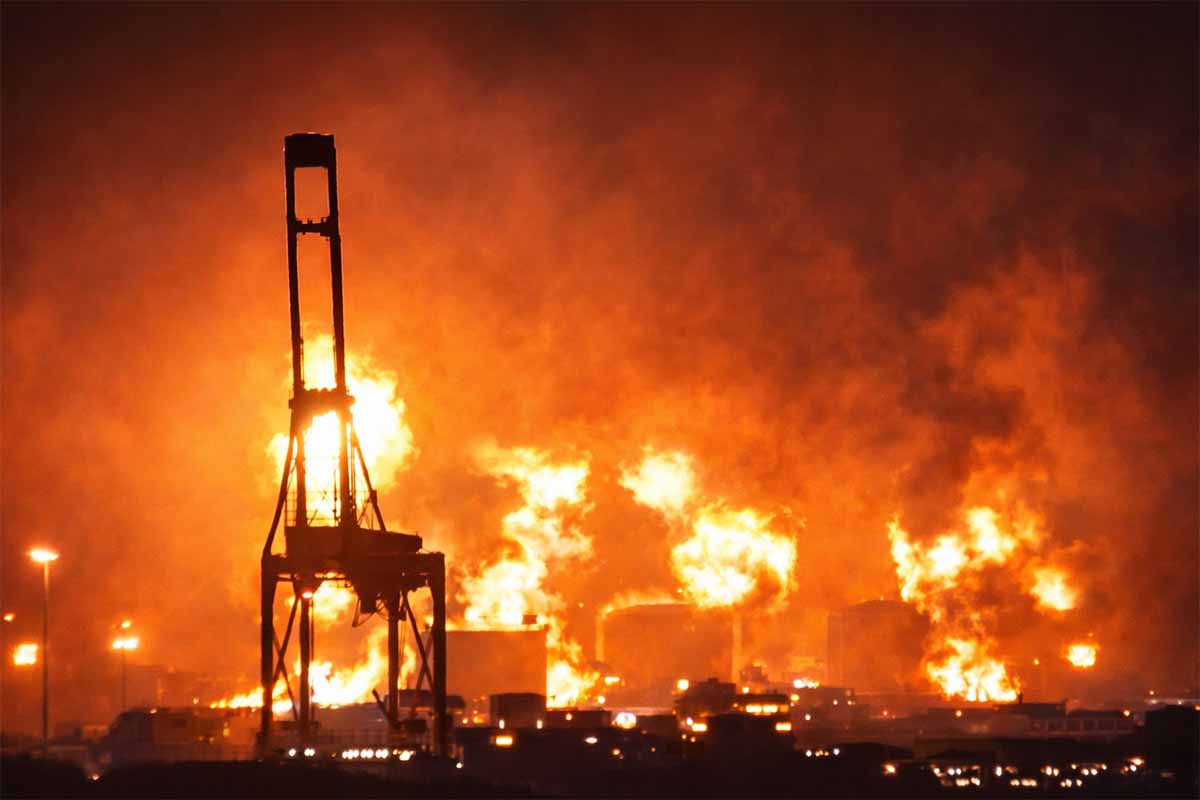
The Iranian strikes caused extensive damage, fires, and production halts
Gas traders on edge after Iranian strikes on Qatar's Ras Laffan LNG hub
European natural gas benchmarks, already elevated due to the Strait of Hormuz blockade and earlier Gulf disruptions, surge further.
Thursday 19/03/2026
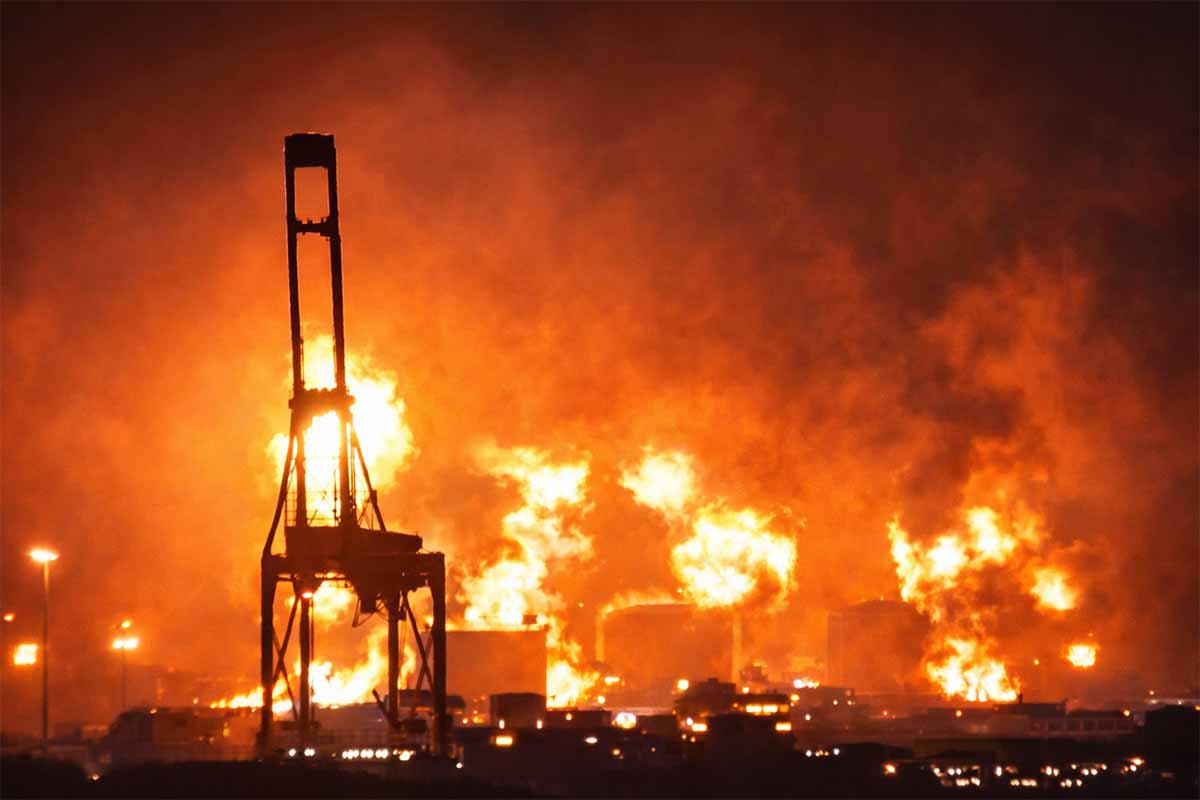
The Iranian strikes caused extensive damage, fires, and production halts
DOHA – Natural gas traders worldwide are bracing for major market upheaval following fresh Iranian missile attacks on Qatar's Ras Laffan Industrial City, home to the planet's largest liquefied natural gas (LNG) export complex.
The strikes, which caused extensive damage, fires, and production halts, mark a sharp escalation in the US-Israeli war against Iran and threaten to severely constrain global LNG supplies at a time when the energy sector is already reeling from the broader Middle East conflict.
QatarEnergy, the state-owned giant that operates the facility, confirmed late Wednesday and early Thursday that multiple LNG trains and associated infrastructure at Ras Laffan suffered "extensive damage" from Iranian ballistic missiles.
Emergency teams scrambled to contain resulting fires at several sites, including the Pearl gas-to-liquids (GTL) plant and key liquefaction units. While no casualties were reported, authorities described the impact as significant, with production already suspended indefinitely following earlier disruptions in the conflict.
Ras Laffan, located on Qatar's northern coast, accounts for roughly one-fifth of global LNG supply under normal operations—around 77 million tonnes per annum in nameplate capacity. The complex has been a cornerstone of Qatar's dominance as the world's top LNG exporter, feeding major markets in Europe, Asia (including heavyweights like Japan, South Korea, China, and India), and beyond.
Prior to the latest strikes, QatarEnergy had already invoked force majeure on contracts and halted most exports earlier this month amid the war's fallout, including threats to the Strait of Hormuz and initial attacks on Gulf infrastructure.
The targeting of Ras Laffan follows Iran's retaliation for Israeli strikes on its South Pars gas field—the world's largest natural gas reservoir, shared with Qatar—and comes after Tehran publicly listed Ras Laffan among priority targets in the Gulf.
Qatar's defence ministry reported intercepting several incoming missiles, but at least one penetrated defences, sparking fires and structural harm. In response, Doha condemned the assault as a "brutal" violation of sovereignty, expelled Iranian military attaches, and mobilized civil defense forces.
Energy markets reacted immediately and sharply. European natural gas benchmarks, already elevated due to the Strait of Hormuz blockade and earlier Gulf disruptions, surged further—some reports citing jumps of 50% or more in spot prices since early March. Asian LNG prices followed suit, with traders warning of panic buying and fierce competition for scarce cargoes from alternative suppliers like the United States, Australia, and Russia. Brent crude oil climbed toward $110 per barrel as fears spread of cascading attacks on regional energy assets, including reported incidents in Saudi Arabia, the UAE, and Kuwait.
"Traders are pricing in the very real risk of prolonged outages at Ras Laffan," one London-based gas analyst told industry sources. "Qatar supplies a massive share of flexible LNG that the world relies on during tight periods. If this drags on for weeks—or longer—the tightness could become extreme, especially heading into peak summer demand in Asia and winter preparations in Europe."
The disruption compounds an already dire global energy picture. With the Strait of Hormuz largely impassable for non-Iranian vessels, tanker traffic has ground to a halt, storage tanks are overflowing in producer nations unable to export, and prices for both oil and gas have reached levels not seen in years. Russian officials, including Deputy Prime Minister Alexander Novak, have described the situation as the worst energy crisis in four decades.
QatarEnergy has yet to provide a restart timeline, with executives indicating that full resumption may depend on de-escalation of the conflict. In the interim, buyers are scrambling to secure spot cargoes, reroute supplies, and draw on strategic reserves. Asian importers, particularly those heavily dependent on Qatari volumes, face the prospect of higher costs and potential shortages, while Europe—still recovering from reduced Russian pipeline gas—risks renewed inflationary pressures.
The strikes on Ras Laffan underscore the war's dangerous pivot toward direct attacks on civilian energy infrastructure, raising alarms about broader economic contagion.