

An additional front of pressure on US
Iraq edges deeper into conflict as militias target US bases
Saraya Awliya al-Dam, operating under the Islamic Resistance in Iraq, claimed responsibility for a drone assault on US positions in Erbil.
Monday 02/03/2026
An additional front of pressure on US
BAGHDAD / ERBIL – Iran-aligned armed factions in Iraq announced on Sunday that they had carried out a series of drone attacks targeting American military bases inside Iraq and elsewhere in the region, marking a significant escalation as the conflict between the United States and Israel on one side and Iran on the other intensifies.
The umbrella group known as the Islamic Resistance in Iraq said it had launched 23 drone operations since dawn, using what it described as dozens of unmanned aerial vehicles to strike “enemy bases in Iraq and the region.” The attacks come amid rapidly expanding hostilities following large-scale US and Israeli strikes against Iran that killed senior Iranian leaders, including Supreme Leader Ali Khamenei and commanders of the Islamic Revolutionary Guard Corps.
Security sources in Erbil, the capital of the Kurdistan Region of Iraq, reported hearing multiple explosions on Sunday evening. Shortly afterwards, the group Saraya Awliya al-Dam, operating under the Islamic Resistance in Iraq, claimed responsibility for a drone assault on US positions in the city.
In a statement, the group said: “In adherence to our religious duty and in retaliation for the blood of the martyr, the leader Ali al-Husseini al-Khamenei, and in support of the Islamic Republic of Iran, our valiant fighters carried out today, Sunday, 01/03/2026, an attack using a swarm of drones against the American bases in Erbil.”
Regional authorities confirmed that air defence systems intercepted explosive-laden drones targeting sensitive sites on the outskirts of Erbil, including areas near the international airport, where US forces maintain a presence. According to local officials, several drones were destroyed before reaching their intended targets and no casualties were reported. The security situation in the city was described as stable.
The United States retains forces in Iraqi Kurdistan, particularly at Erbil International Airport, although American troops withdrew from most other parts of Iraq earlier this year. The Kurdistan Regional Government has long maintained close ties with Washington, a relationship that has fuelled tensions with Iran-backed Shiite militias operating elsewhere in the country.
Elsewhere in Iraq, at least two bases housing Iraqi security forces, the Basrah Operations Command and the Imam Ali base in Dhi Qar province, were reportedly struck on Friday, either by Iraqi militias or as part of broader Iranian retaliation.
The Popular Mobilisation Forces, an official Iraqi security body that includes several Tehran-aligned factions, said that airstrikes hit the Jurf al-Nasr area north of Babil province, killing two people and injuring three. Sources cited by Iraqi media said the targeted site was linked to Kataib Hezbollah, although no party formally claimed responsibility.
Another Iran-backed militia, Asaib Ahl al-Haq, later announced the deaths of four of its members, alleging a joint US-Israeli airstrike.
The latest wave of attacks highlights the growing risk that Iraq could become a central arena in the widening regional confrontation. Analysts say the involvement of Iraqi factions loyal to Tehran opens an additional front of pressure on US forces and sends a political message that any confrontation with Iran will not remain confined within its borders. The strikes are seen not only as tactical operations but as signals of deterrence and solidarity with Tehran.
Several militia leaders have publicly pledged support for Iran. Kataib Hezbollah threatened a prolonged conflict with the United States, declaring, “We must drag [the US] into a long war of attrition […] in which we leave no American presence in the region generally, especially in Iraq.”
Akram al-Kaabi, leader of Harakat Hezbollah al-Nujaba, condemned the American strikes and said his fighters would join the battle, stating: “Our mujahideen and heroes are not those who speak in gatherings saying, ‘if only we had been with you’ and then they cower on the battlefield.”
Abu Ala al-Walae of Kataib Sayyid al-Shuhada defended Iranian attacks on neighbouring Gulf states, claiming Tehran was targeting American personnel and facilities.
The escalation places the Iraqi government in a difficult position. Baghdad has sought to balance its diplomatic ties with Washington and Tehran while avoiding being drawn into a broader war. However, the presence of powerful armed groups operating with significant autonomy complicates efforts to prevent Iraqi territory from becoming a battleground for regional rivalries.
There are also concerns about the domestic impact of continued escalation. Iraq is already grappling with political paralysis, financial pressures and long-standing public service challenges. Sustained attacks could prompt direct US retaliation against militia positions inside Iraq, raising the prospect of renewed cycles of violence on Iraqi soil reminiscent of earlier periods of conflict.
Security experts suggest Washington may adopt a strategy of limited, targeted strikes aimed at drone launch sites or weapons depots in order to maintain deterrence while avoiding full-scale confrontation. The success of such an approach would depend on the United States’ ability to calibrate its response and on the Iraqi government’s capacity to restrain armed factions.
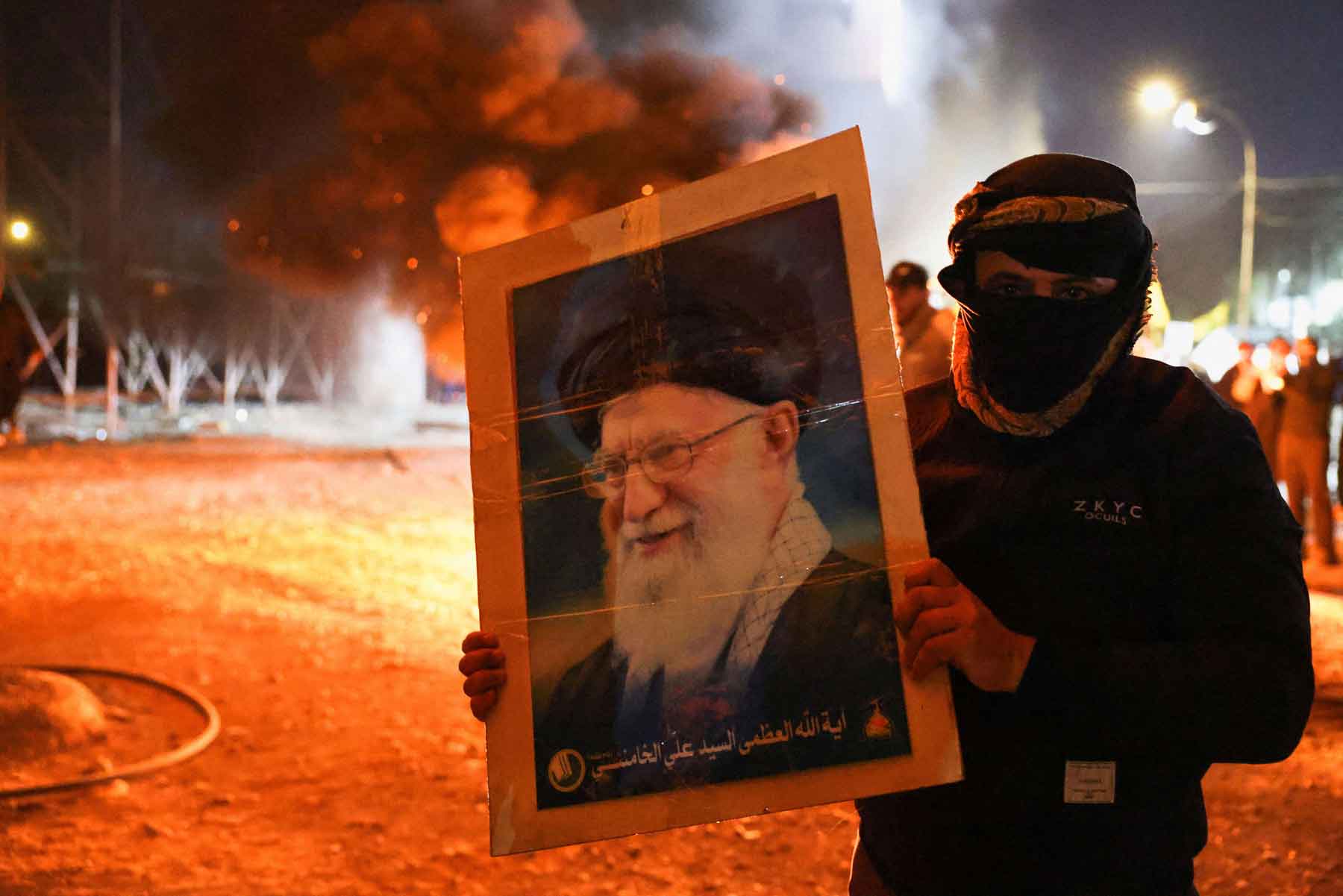
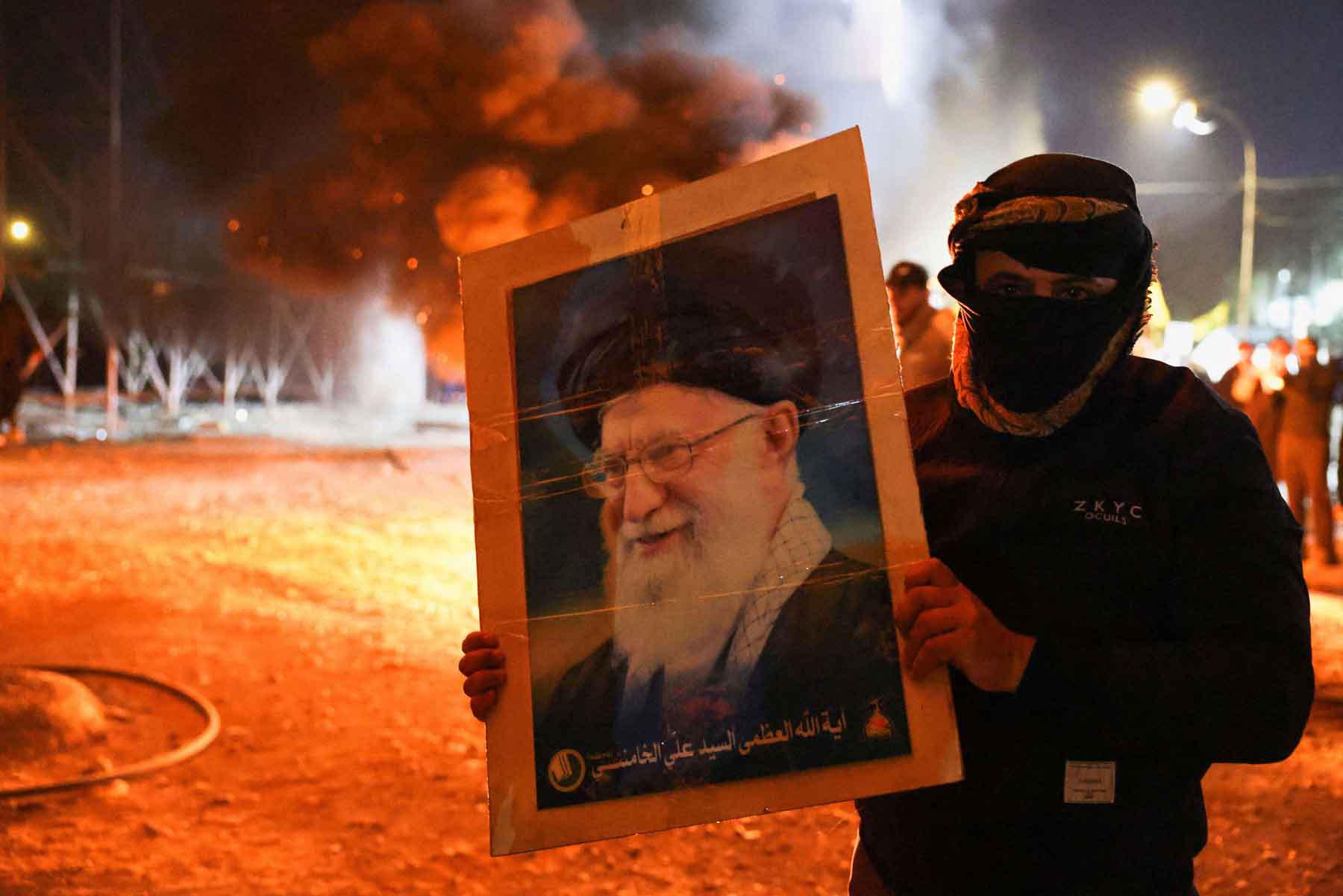
Meanwhile, protests have erupted in Baghdad’s Green Zone, home to the US embassy, with demonstrators condemning American strikes and the killing of Khamenei. Some protesters carried the flags of Iran-aligned groups, underscoring the charged political atmosphere.
The recent attacks are widely viewed as an early indication of the war’s potential spillover into new theatres. As hostilities between Washington, Tel Aviv and Tehran intensify, Iraq appears increasingly at risk of becoming a point of indirect confrontation between rival powers.
Without parallel diplomatic efforts to contain the crisis, observers warn that even limited incidents could trigger broader escalation, creating a chain reaction of instability across the region.