

Hezbollah gambles Lebanon’s fragile stability on Iran’s battlefield calculations
Lebanon on the brink as US closes embassy, Hezbollah vows ‘open war’
The Beirut closure marks the third US embassy in the region to suspend operations as the conflict intensifies, following similar steps in Saudi Arabia and Kuwait.
Wednesday 04/03/2026
Hezbollah gambles Lebanon’s fragile stability on Iran’s battlefield calculations
BEIRUT – The United States has closed its embassy in Beirut “until further notice?” underscoring mounting fears that the war between Israel and Iran is expanding into a broader regional confrontation centred on Lebanon.
The move came just hours after Israel announced it had begun striking the Lebanese capital to target the Iranian-backed group Hezbollah. The Beirut closure marks the third US embassy in the region to suspend operations as the conflict intensifies, following similar steps in Saudi Arabia and Kuwait.
In a statement on social media, the US embassy in Beirut confirmed that all regular and emergency consular appointments had been cancelled. Non-emergency staff had already been ordered to leave before joint US-Israeli strikes on Iran, signalling that Washington had anticipated a deteriorating security environment.
The State Department has also mandated the departure of non-essential personnel and their families from Jordan, Bahrain, Qatar, Iraq and the United Arab Emirates, while urging American citizens to leave the Middle East due to what it described as “serious safety risks.”
Hezbollah reopens the northern front
On the ground, hostilities have accelerated sharply. Hezbollah fired long-range rockets towards central Israel on Tuesday, its first such attack since the outbreak of the Iran war. Sirens sounded across Tel Aviv and Haifa, with Israeli air defences intercepting most projectiles. The group also launched dozens of rockets and drones at northern Israel, injuring at least one person in a border community.
Hezbollah said its actions were retaliation for Israeli strikes across Lebanon and for the killing of Iran’s supreme leader Ali Khamenei in a wave of US-Israeli attacks. A senior Hezbollah official, Mahmoud Komati, declared that the group’s patience had run out after what he described as more than a year of Israeli violations following a ceasefire. “So let it be an open war,” he said.
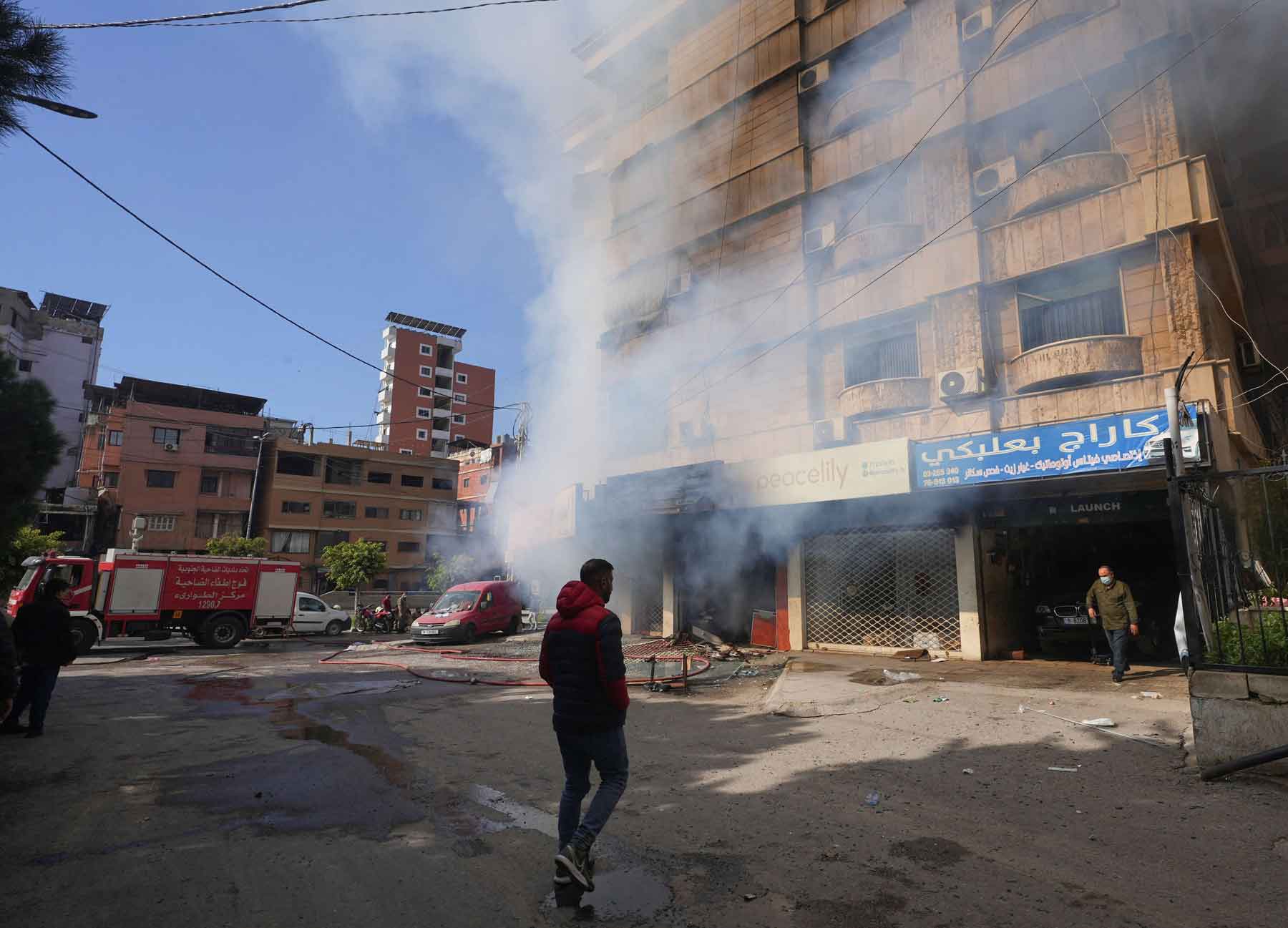
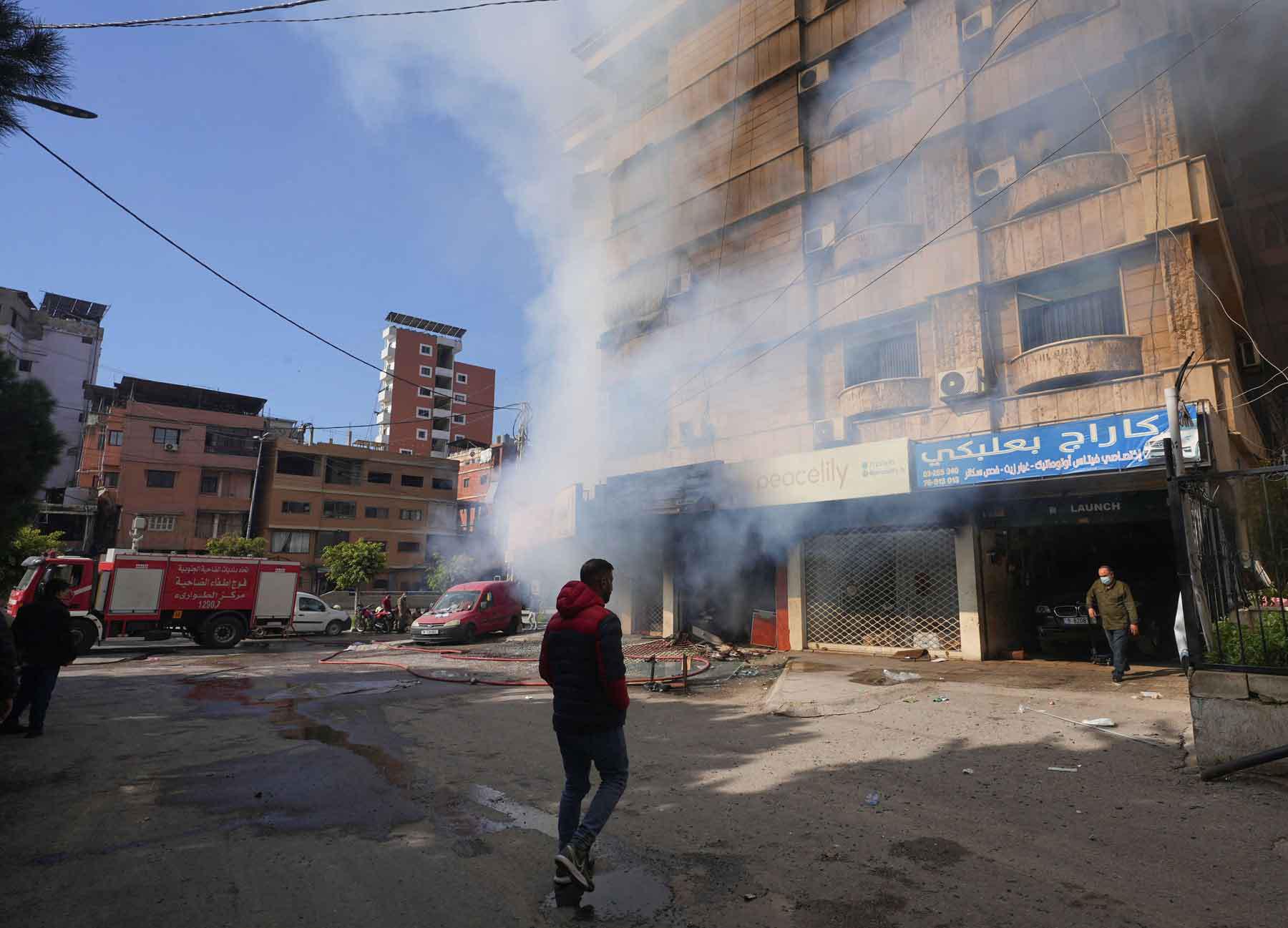
Israel responded with a sweeping campaign of airstrikes across southern Lebanon, targeting what it described as weapons depots, missile launchers and command centres. The Israeli military said some 60 Hezbollah sites were struck, including infrastructure in Sidon and Tyre. Evacuation warnings were issued to residents in more than 80 villages.
Prime Minister Benjamin Netanyahu, speaking at the Palmachim airbase alongside Defence Minister Israel Katz and IDF Chief of Staff Eyal Zamir, said Hezbollah had made “a very big mistake” and vowed an even stronger response. He accused the group of dragging Lebanon into war on Tehran’s behalf.
Direct warning to Iran
In a highly unusual escalation, the Israel Defense Forces issued a 24-hour warning to Iranian officials believed to be operating in Lebanon, telling them to leave the country or face being targeted. The message, delivered by army spokesman Avichay Adraee, suggested that Israel now views Lebanon not only as a Hezbollah front but as an active extension of Iran’s military command structure.
That assessment appeared to be reinforced by Israeli claims that an airstrike in Tehran killed Daoud Alizadeh, described as the acting commander of the Lebanon Corps within Iran’s Islamic Revolutionary Guard Corps’ Quds Force. According to Israel, he had assumed the role after the killing of Mohammad Reza Zahedi in 2024, making him one of Tehran’s most senior operatives overseeing Lebanese affairs.
If confirmed, the strike would mark another step in Israel’s strategy of decapitating Iran’s regional command network, and further blur the line between the Lebanese and Iranian theatres of war.
Lebanon’s fragile position
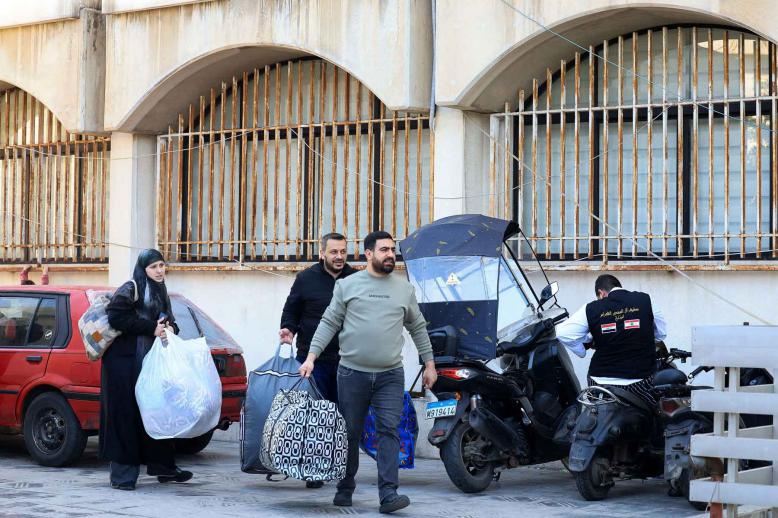
Lebanese officials say at least 40 to 50 people have been killed and hundreds wounded in recent Israeli strikes, with tens of thousands displaced. The Lebanese army has reportedly vacated some border positions as Israeli troops move into new positions in southern Lebanon.
President Joseph Aoun told foreign ambassadors that Hezbollah had been firing from areas north of the Litani River, beyond the zone traditionally monitored under ceasefire arrangements, complicating Beirut’s claim that it maintains control in the south.
Lebanon now finds itself squeezed between Israel’s determination to dismantle Hezbollah’s military capacity and Iran’s willingness to use its Lebanese ally as a pressure point. For many Lebanese, the fear is that the country is being drawn into a war whose strategic calculations lie far beyond its borders.
The closure of US diplomatic missions in Beirut, Riyadh and Kuwait signals that Washington believes the conflict may not remain contained. The drawdown of personnel across multiple Gulf states reflects concern that Iranian-aligned groups could widen the battlefield further.
What began as a direct confrontation between Israel and Iran has rapidly evolved into a multi-front crisis encompassing Lebanon, the Gulf and potentially beyond. Hezbollah’s declaration of readiness for “open war” and Israel’s explicit threat to Iranian officials on Lebanese soil point to a dangerous new phase, one in which diplomatic space is shrinking as military escalation accelerates.
For Lebanon, long battered by economic collapse and political paralysis, the risk is existential: becoming once again the arena for a regional war it cannot control.