

King Mohammed VI expressed Morocco’s full solidarity with Gulf states
Morocco rallies behind Gulf states as regional tensions spiral
Morocco’s king strongly condemned the attacks and reiterated Morocco’s backing for “all measures deemed appropriate” by the affected states to safeguard their security.
Sunday 01/03/2026
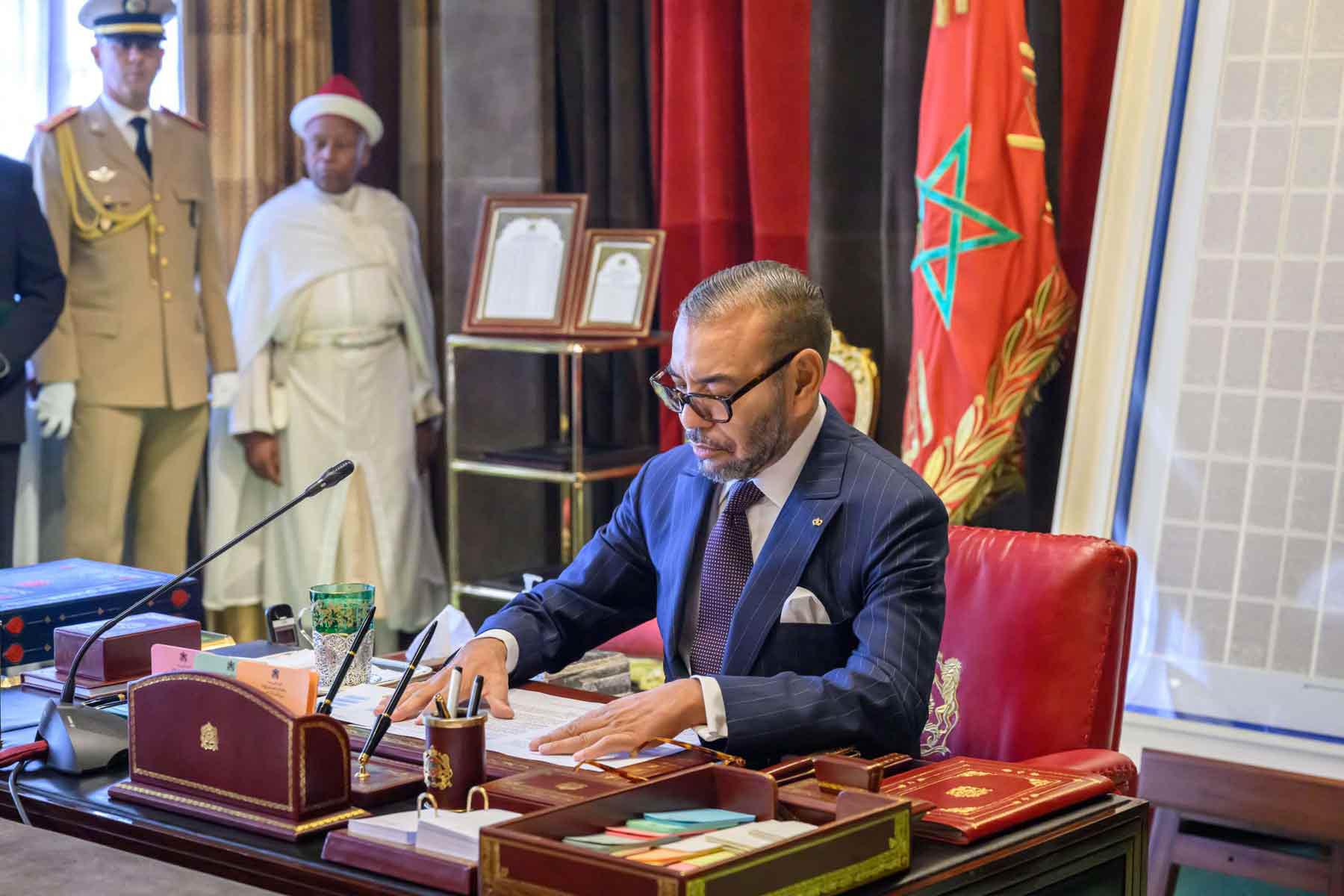
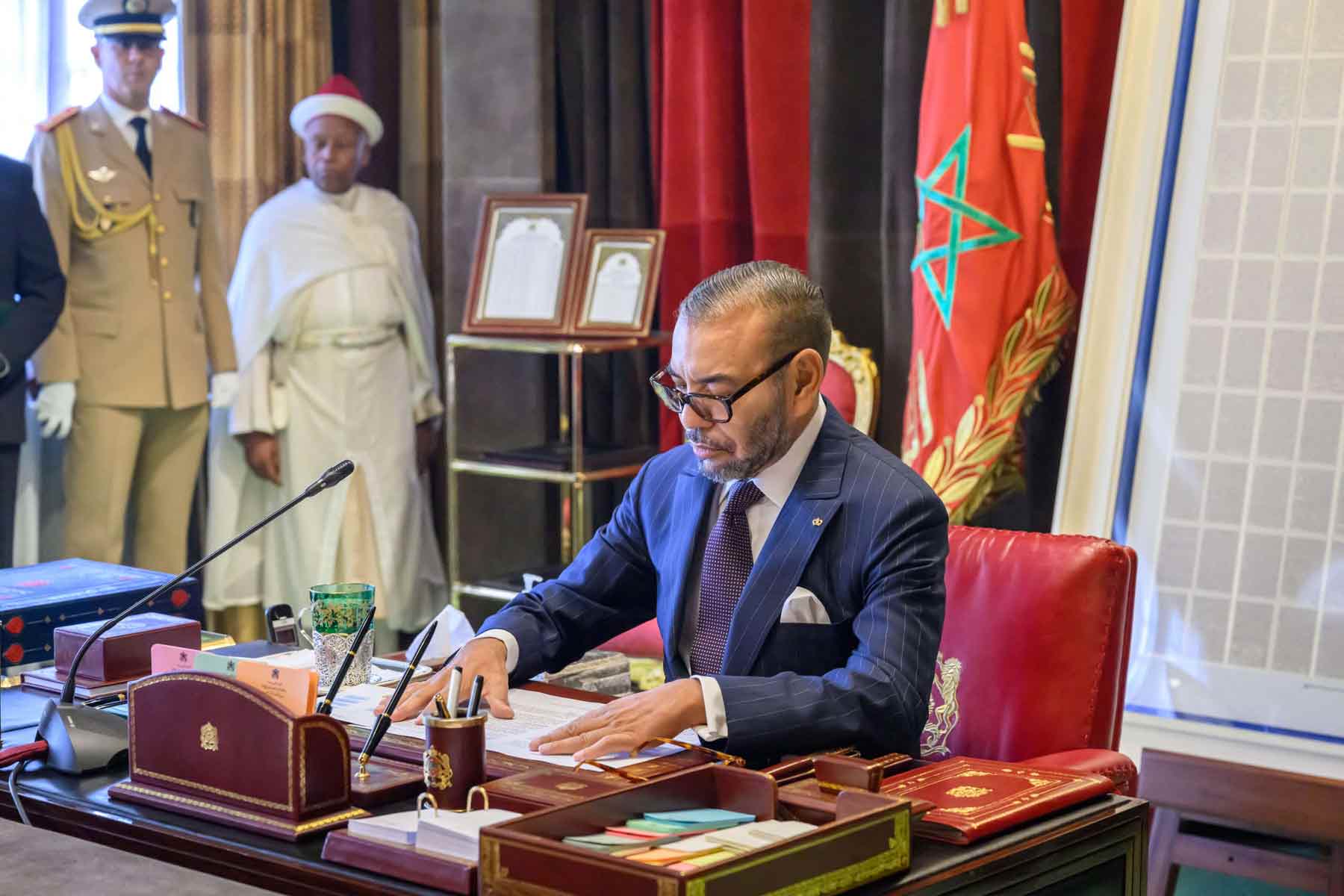
King Mohammed VI expressed Morocco’s full solidarity with Gulf states
RABAT – Morocco reaffirmed its steadfast commitment to the security and stability of the Gulf states following Iranian missile strikes targeting US military bases across several countries in the region, in a diplomatic move underscoring Rabat’s strategic alignment with its Arab allies.
King Mohammed VI held a series of telephone conversations with Gulf leaders, expressing Morocco’s full solidarity in the face of what Rabat described as threats to their sovereignty and territorial integrity.
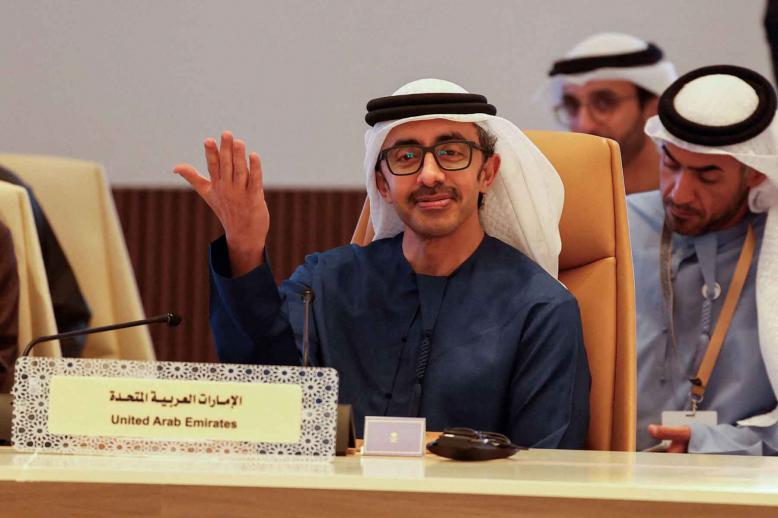
The Moroccan king spoke with Sheikh Mohamed bin Zayed Al Nahyan, President of the United Arab Emirates; King Hamad bin Isa Al Khalifa of Bahrain; Saudi Crown Prince Mohammed bin Salman; and Qatar’s Emir Sheikh Tamim bin Hamad Al Thani.
According to an official statement issued on Saturday by the Royal Cabinet, the king strongly condemned the attacks and reiterated Morocco’s backing for “all measures deemed appropriate” by the affected states to safeguard their security and reassure their citizens.
In parallel, Morocco’s Ministry of Foreign Affairs issued a firm denunciation of what it termed an “abject” Iranian missile assault targeting five Arab states, describing the strikes as a “flagrant violation of national sovereignty” of the UAE, Bahrain, Qatar, Kuwait and Jordan. Rabat characterised the attacks as an “unacceptable assault” on regional stability.
Morocco’s position comes as the Middle East plunges into its most serious military crisis in years.
The United States and Israel launched what US President Donald Trump described as “major combat operations” against Iran early Saturday, striking multiple cities, including the capital, Tehran. The offensive, dubbed “Operation Epic Fury” by Washington and “Lion’s Roar” by Tel Aviv, targeted sites linked to Iran’s military and political leadership, including areas near the compound of Supreme Leader Ali Khamenei, the Ministry of Intelligence, the Ministry of Defence and the Atomic Energy Organisation.
Israeli Prime Minister Benjamin Netanyahu said the operation would “continue as long as necessary”, framing it as an effort to eliminate what Israel considers an existential threat.
Iran responded swiftly. Tehran confirmed it had fired ballistic missiles at Al-Udeid Air Base in Qatar, Al-Salem Air Base in Kuwait, Al-Dhafra Air Base in the UAE, and the US Navy’s Fifth Fleet headquarters in Bahrain. Jordan said it intercepted two Iranian missiles within its airspace.
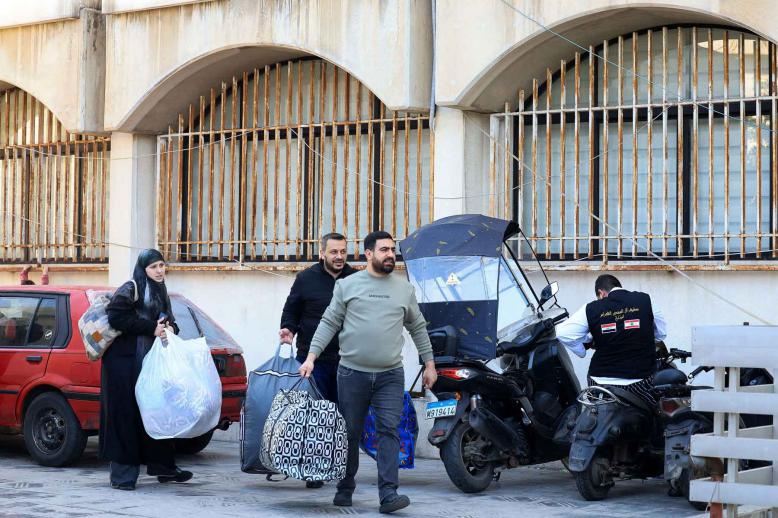
While air defence systems reportedly neutralised incoming projectiles across the Gulf, falling debris killed one civilian in Abu Dhabi. Explosions were also reported in Kermanshah, Tabriz, Isfahan and Qom. Authorities in Tehran advised nearly 10 million residents to evacuate parts of the capital amid fears of further strikes.
Iran’s Islamic Revolutionary Guard Corps declared US and Israeli assets in the region “legitimate targets,” vowing to continue strikes “relentlessly until the enemy is decisively defeated.”
The violence has derailed indirect nuclear negotiations between Washington and Tehran in Geneva, where Oman’s Foreign Minister had earlier described a potential deal as “within reach.” Muscat urged the United States not to get sucked in further, warning that “this is not your war.” The UN human rights chief called for immediate de-escalation, cautioning that civilians “always pay the ultimate price.”
Against this volatile backdrop, Morocco’s diplomatic outreach signals more than symbolic support. Rabat maintains long-standing strategic partnerships with Gulf Cooperation Council states spanning security cooperation, investment and political coordination.
The Royal Cabinet emphasised that Morocco’s stance is rooted in “deep fraternal ties” with the Gulf countries and in the conviction that their security forms an integral part of Morocco’s own national security. Any threat to their stability, the statement implied, constitutes a direct challenge to regional balance.
Observers view Rabat’s swift response as evidence of its awareness of the gravity of the moment, as security risks multiply across the Middle East. The move also reinforces Morocco’s broader diplomatic doctrine, consistently advocating regional stability, respect for state sovereignty and coordinated action among allies.
Morocco severed diplomatic relations with Iran in 2018, accusing Tehran and its Lebanese ally Hezbollah of supporting and arming the Polisario Front through the Iranian embassy in Algiers, a charge Iran denied at the time.
Political contacts between Rabat and Gulf capitals are expected to continue in the coming days as leaders monitor developments and exchange assessments amid mounting uncertainty. The unfolding crisis underscores that Moroccan-Gulf relations extend far beyond economic cooperation, encompassing a shared political and security framework aimed at confronting common challenges.
As the confrontation between Iran on one side and the United States and Israel on the other intensifies, Morocco’s message is clear: Gulf security is indivisible from its own, and solidarity remains unwavering.