

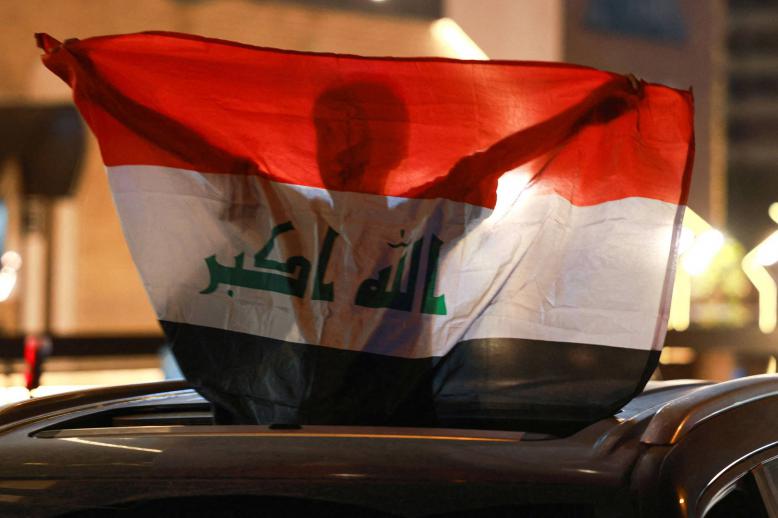
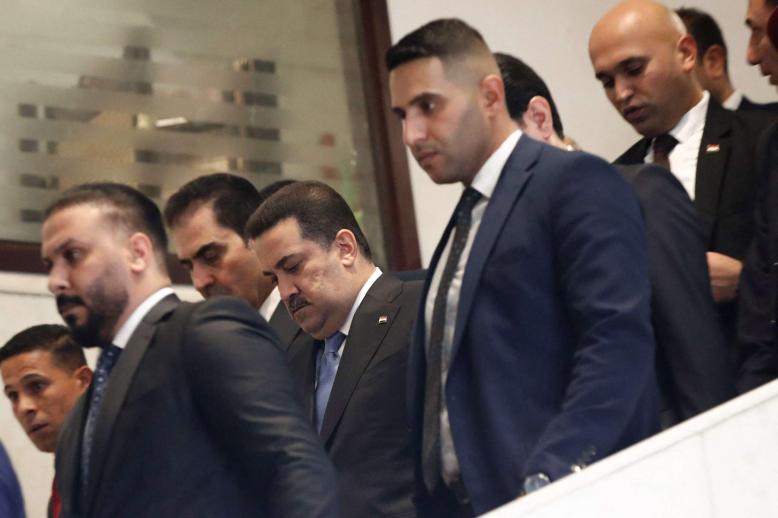

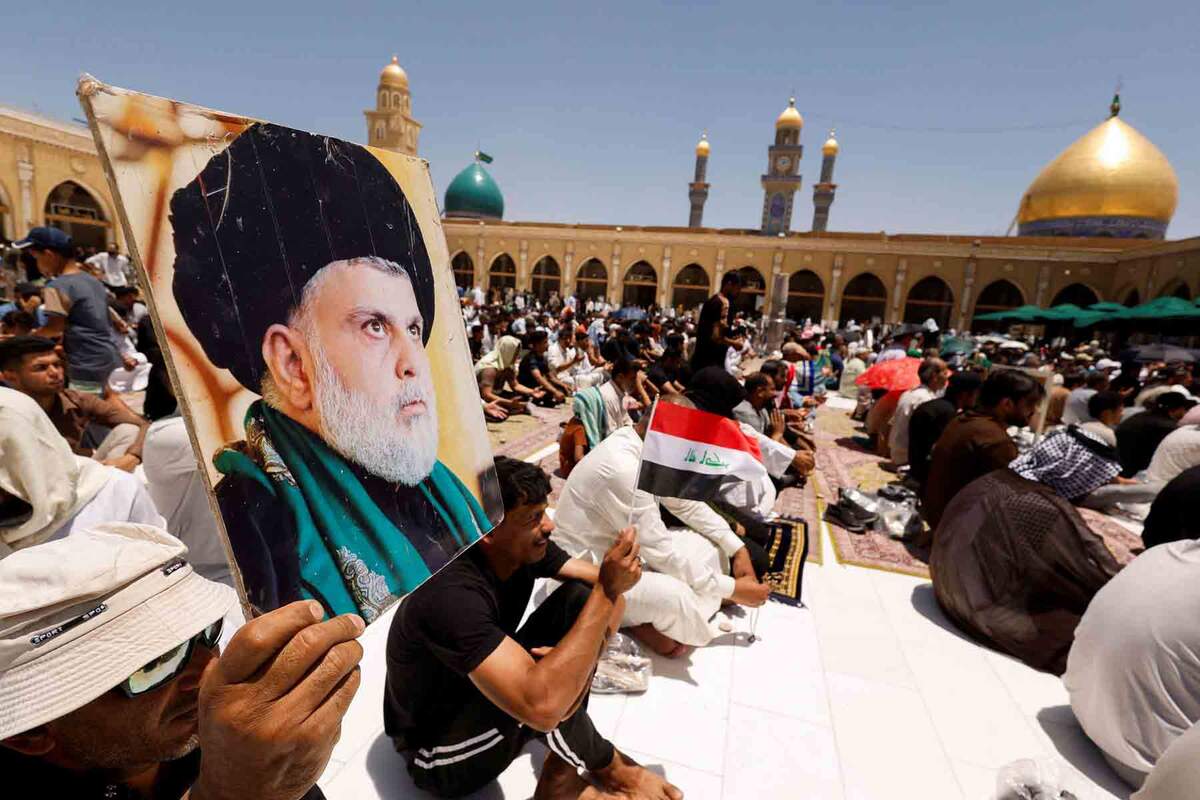
Shifting weight from parliament to the street
Sadrist movement reaffirms non-involvement in Iraq’s political deadlock
As the present impasse drags on, speculation has periodically surfaced about a “hidden role” for the Sadrists or their capacity to influence the balance of power indirectly.
Friday 20/02/2026
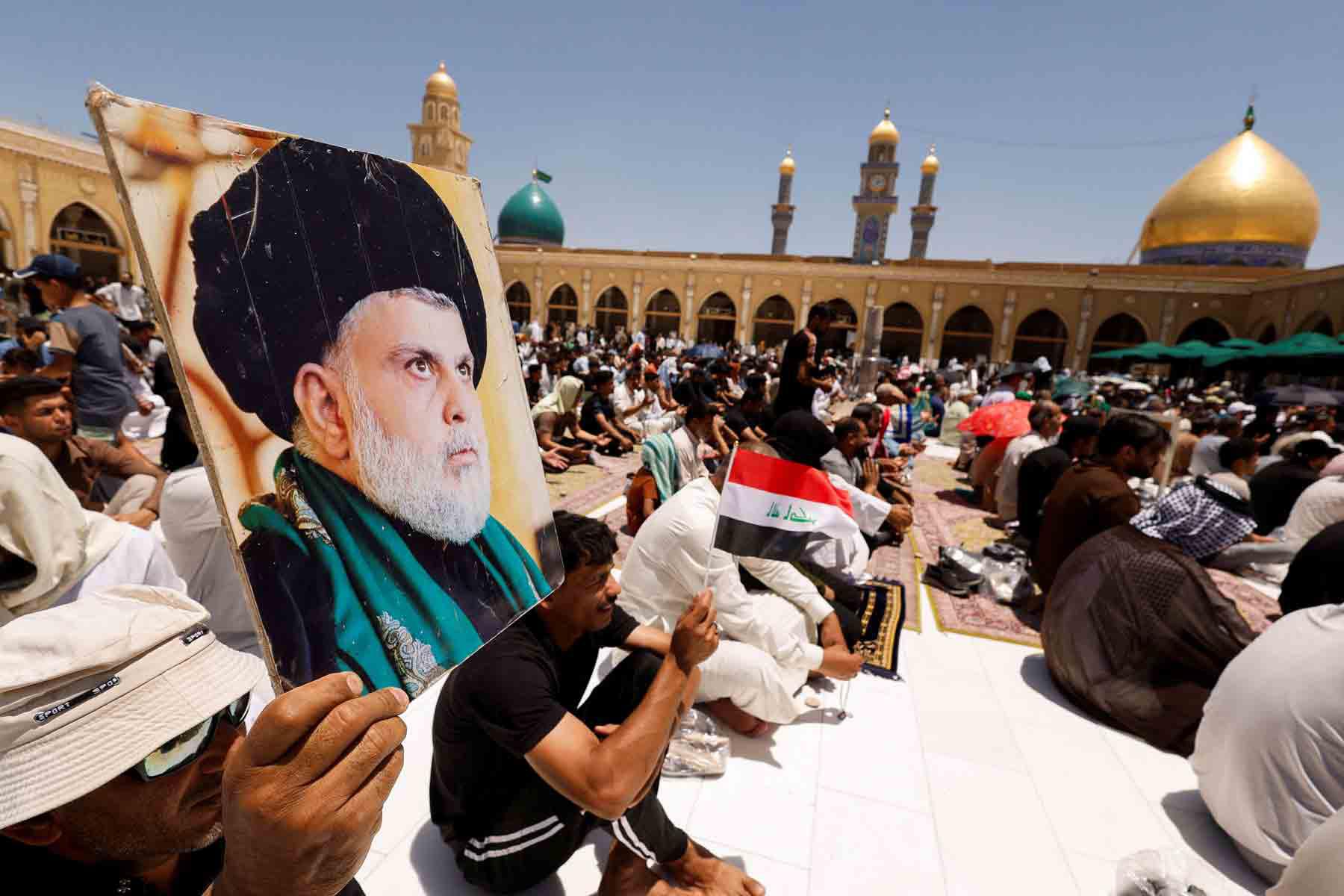
Shifting weight from parliament to the street
BAGHDAD – The National Shiite Movement, widely known as the Sadrist Movement, has reaffirmed its official stance of boycotting Iraq’s political process, insisting it will not become involved in the country’s current political crisis in any capacity.
The position comes amid widening disputes between Iraq’s main political forces over the premiership, the presidency and the allocation of senior state posts? disagreements that have reignited debate and paralysed efforts to form a stable government.
A source within the Sadrist Movement told the news website Baghdad Today that the movement’s stance “remains firm as previously announced? a comprehensive political boycott, and no engagement in any dialogues, understandings or political contacts with any party.”
The decision, the source added, stems from a “deep-rooted conviction of the need to distance ourselves from the polarisation and conflicts that have failed to meet the aspirations of the Iraqi people.”
The denial of any involvement comes against the backdrop of a complex political landscape. Disagreements persist over the nomination of a candidate for prime minister, with reported American opposition to the candidacy of Nouri al-Maliki, leader of the State of Law Coalition.
At the same time, divisions continue between the Kurdistan Democratic Party and the Patriotic Union of Kurdistan over the selection of a candidate for the presidency. These internal rifts have compounded the difficulty of government formation and reshaped the balance of power within parliament, ensuring that any major actor declaring itself outside the political game remains the subject of sustained scrutiny and analysis.
Since withdrawing from the Council of Representatives, the Sadrist Movement has recast itself as a force “outside the political process,” shifting its weight from parliament to the street. While maintaining a broad popular base, it has refrained from direct participation in decision-making.
The withdrawal, which followed years of political deadlock and disputes over the distribution of posts, left a gap in Shiite representation that allowed forces within the Coordination Framework to reorganise their position inside parliament and advance alternative government formations. At the same time, it left open the question of how the movement might be interpreted, or invoked, in any future crisis.
As the present impasse drags on, speculation has periodically surfaced about a “hidden role” for the Sadrists or their capacity to influence the balance of power indirectly.
However, many political observers suggest such narratives often reflect attempts to attribute responsibility for the complexities of governance to an absent player, rather than to those currently in authority. With each new escalation, the Sadrist Movement reappears in political analysis as the “absent yet present number,” a mass movement capable of mobilising supporters in the street, or a parliamentary force that could tip the scales were it to return.
Responding to such claims, the Sadrist source said reports or analyses linking the movement to the current crisis or implying a covert role are “baseless” and part of efforts to assign blame to actors who are not participating in the political process.
In its official discourse, the movement continues to stress a complete boycott of the political system, including refusal to attend meetings or engage in traditional negotiations.
At the same time, it maintains a broader rhetoric centred on reform, combating corruption and safeguarding the will of the people. This declared stance positions it as a “non-intervening observer,” while preserving its symbolic capacity to exert influence through its wide social base and informal networks, without becoming embroiled in political struggles it regards as futile under present conditions.
The movement’s withdrawal has contributed to what some describe as a “grey zone” within Iraq’s political scene. Government processes continue in its absence, while crises related to the distribution of posts and powers accumulate among participating factions. Meanwhile, the Sadrists remain outside formal responsibility.
This dynamic means that any governmental or parliamentary dispute, particularly over the premiership or other senior positions, carries the latent risk of spilling onto the streets should circumstances align with calls for mass mobilisation.
Recent developments underscore the importance of the Sadrist stance in shaping the symbolic balance of power within Iraq’s Shiite political arena. Each new parliamentary or governmental crisis tends to revive accusations that the movement is obstructing the political process or contributing to institutional vacuum, even as it clearly declares that it is “not a party to the making of those crises.”
This tension between the movement’s popular influence and its formal position outside state institutions presents a challenge for political actors attempting to interpret the evolving landscape.
Since its withdrawal, the Sadrist Movement has adhered to a consistent strategy: preserving political independence, avoiding participation in closed-door agreements and refraining from imposing any veto on other factions.
Simultaneously, it continues to frame its position around the interests of the Iraqi people and national stability, enabling it to distance itself from the consequences of political failures borne by parties in power.
The Sadrist withdrawal has thus created space for the Coordination Framework to manoeuvre more freely within state institutions, while the movement itself remains a potent popular force and symbolic presence invoked in every political crisis, whether concerning the premiership or other senior posts. This symbolic weight ensures that attempts to link it to present or future crises will persist as a matter of debate and analysis, even as its official position remains one of observation and non-intervention.