



Systematic unlawful use of force
UN raises alarm over ‘ethnic cleansing’ concerns in Gaza, West Bank
“Intensified attacks, the methodical destruction of entire neighbourhoods and the denial of humanitarian assistance appeared to aim at a permanent demographic shift in Gaza,” the report says.
Friday 20/02/2026
Systematic unlawful use of force
GENEVA – Intensified Israeli military operations and the forced transfer of Palestinians have raised concerns over ethnic cleansing in both the Gaza Strip and the occupied West Bank, the United Nations human rights office has warned in a stark new report.
The assessment, issued by the Office of the United Nations High Commissioner for Human Rights (OHCHR) on Thursday, covers the period from November 1 2024 to 31 October 2025. It draws on monitoring conducted by the office as well as information from governmental sources, other UN bodies and non-governmental organisations.
“Intensified attacks, the methodical destruction of entire neighbourhoods and the denial of humanitarian assistance appeared to aim at a permanent demographic shift in Gaza,” the report states.
“This, together with forcible transfers, which appear to aim at a permanent displacement, raise concerns over ethnic cleansing in Gaza and the West Bank.”
The document details what it describes as the continued killing and maiming of unprecedented numbers of civilians by Israeli forces in Gaza, the spread of famine across the enclave and the destruction of remaining civilian infrastructure including hospitals, schools and homes. These actions, it says, are “imposing on Palestinians conditions of life increasingly incompatible with their continued existence in Gaza as a group.”
According to the report, patterns of deadly attacks observed during the period raise grave concerns that Israeli forces intentionally targeted civilians and civilian objects, or launched attacks knowing that the anticipated civilian harm “would be clearly excessive in relation to the military advantage anticipated, which would constitute war crimes.”
At least 25,594 Palestinians were killed and 68,837 injured during the reporting period, according to Gaza health authorities, figures that OHCHR said it had verified as reliable.
Since the outbreak of hostilities on October 7, 2023, following the Hamas-led attacks on Israel, more than 68,800 Palestinians have been killed and 170,664 injured. The actual toll is believed to be higher, as it does not include those buried beneath rubble.
The report records that at least 463 Palestinians, including 157 children, starved to death in Gaza during the period under review.
“The situation of famine and malnutrition was the direct result of actions taken by the Israeli Government,” it says, citing the blocking of the entry and distribution of humanitarian aid. It notes that any use of starvation of the civilian population as a method of warfare constitutes a war crime and may also amount to crimes against humanity if carried out as part of a widespread or systematic attack against a civilian population.
Furthermore, “if committed with intent to destroy, in whole or in part, a national, ethnical, racial or religious group, it may also constitute genocide.”
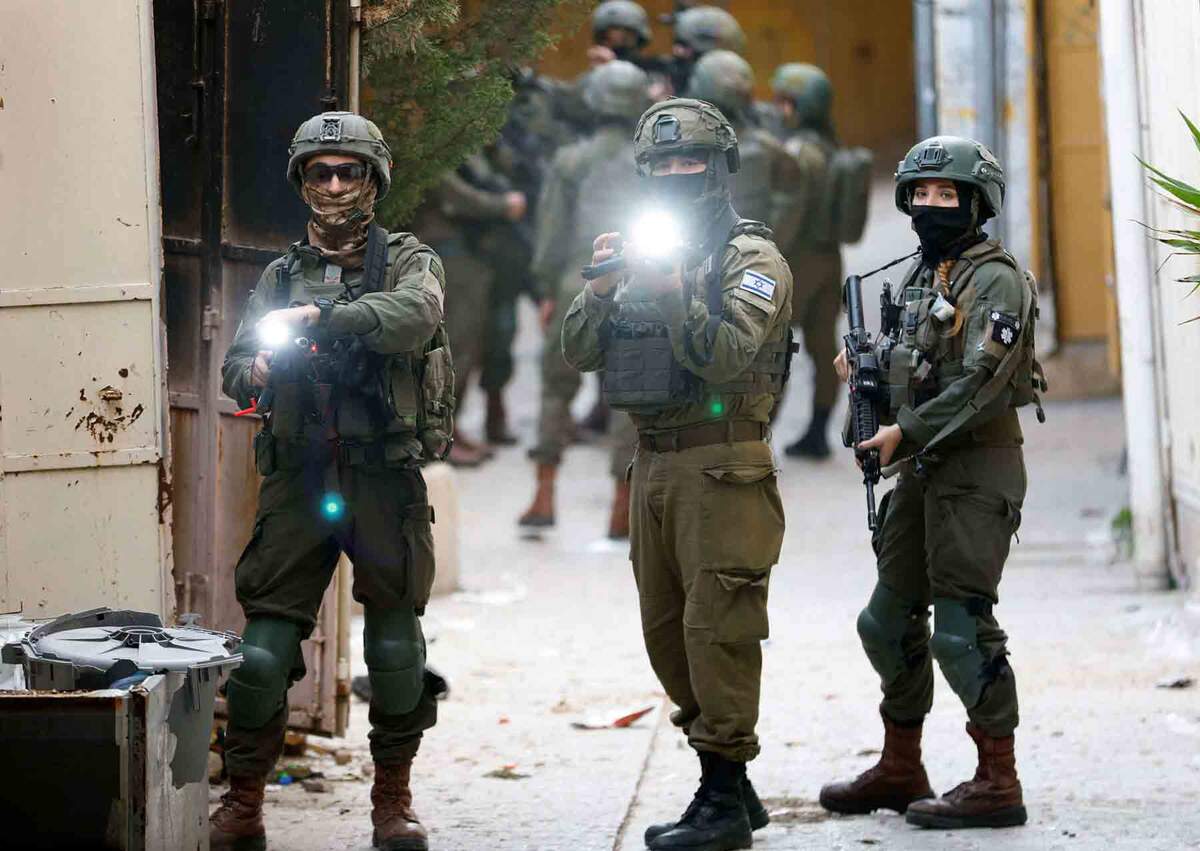
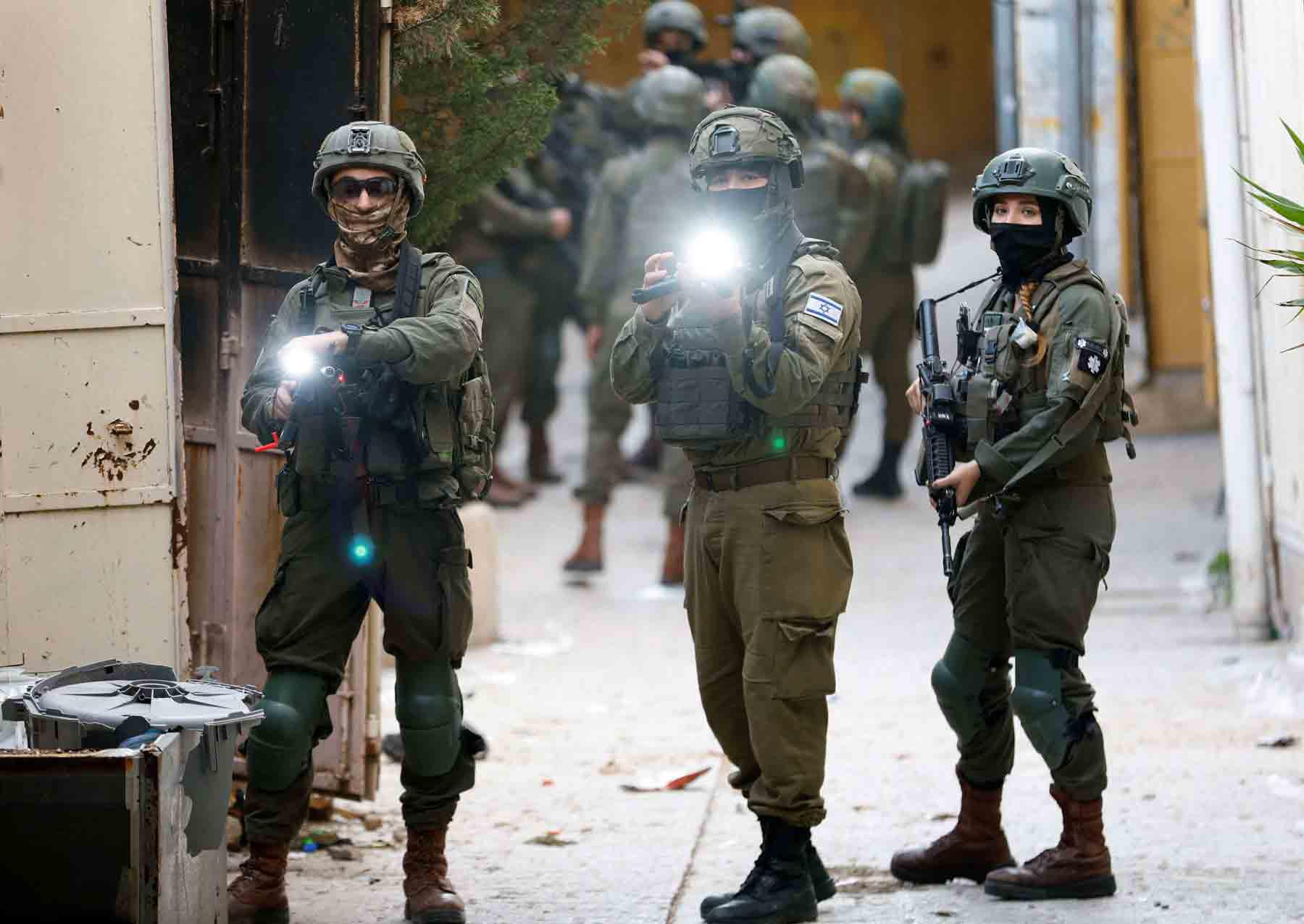
In the occupied West Bank, the report describes the systematic unlawful use of force by Israeli security forces, “including through the continued deployment of means and methods designed for warfare,” alongside widespread arbitrary arrest, torture and other ill-treatment of Palestinians in detention, and destruction of property. It concludes that these acts were used “to systematically discriminate, oppress, control and dominate the Palestinian people.”
At the same time, the report notes concerning incidents involving Palestinian Authority security forces, including unnecessary or disproportionate use of force during large-scale militarised operations targeting individuals wanted by Israel.
The reporting period also saw Hamas and other Palestinian armed groups continue to hold Israeli and foreign hostages seized on 7 October 2023, along with the bodies of those who died or were killed in captivity, as bargaining tools.
“Videos previously released and public testimonies of released hostages have indicated sexual and other gender-based violence, torture and other ill-treatment, including beating, prolonged confinement underground, and deprivation of food, water and bathroom access,” the report says. It recalls that taking hostages and subjecting them to such treatment “breach multiple provisions of international humanitarian law and amount to war crimes and possibly other atrocity crimes.”
The report further highlights what it calls a “pervasive climate of impunity” for gross human rights violations and serious breaches of international humanitarian law by Israeli authorities in the occupied Palestinian territory, stating that no meaningful steps have been taken towards accountability.
“Impunity is not abstract; it kills. Accountability is indispensable. It is the prerequisite for a just and durable peace in Palestine and Israel,” said UN High Commissioner for Human Rights Volker Turk.
Among its recommendations, the report urges all states “to cease the sale, transfer and diversion of arms, munitions and other military equipment to Israel” where there is a risk of facilitating violations in the occupied Palestinian territory. It also notes ongoing efforts to advance the US-led Comprehensive Plan to End the Conflict in Gaza, announced last October, but warns that the absence of concrete steps to ensure accountability for violations committed since 7 October 2023 represents a critical gap.
Insisting that “justice for victims must lay the foundation for the reconstruction of Gaza,” the report calls on states to ensure the immediate participation of Palestinians in governance structures to determine and shape the rebuilding of the enclave, arguing that without accountability and inclusive political processes, prospects for a just and lasting peace will remain out of reach.