


An Abbasid coin among the finds points to medieval Islamic activity in the Eastern Province
Saudi Arabia unveils major archaeological finds
Archaeologists uncover 147 artifacts, including Abbasid-era coins, during fieldwork, featuring well-preserved structures like courtyards and wells that highlight early trade and settlement patterns.
Monday 23/02/2026
An Abbasid coin among the finds points to medieval Islamic activity in the Eastern Province
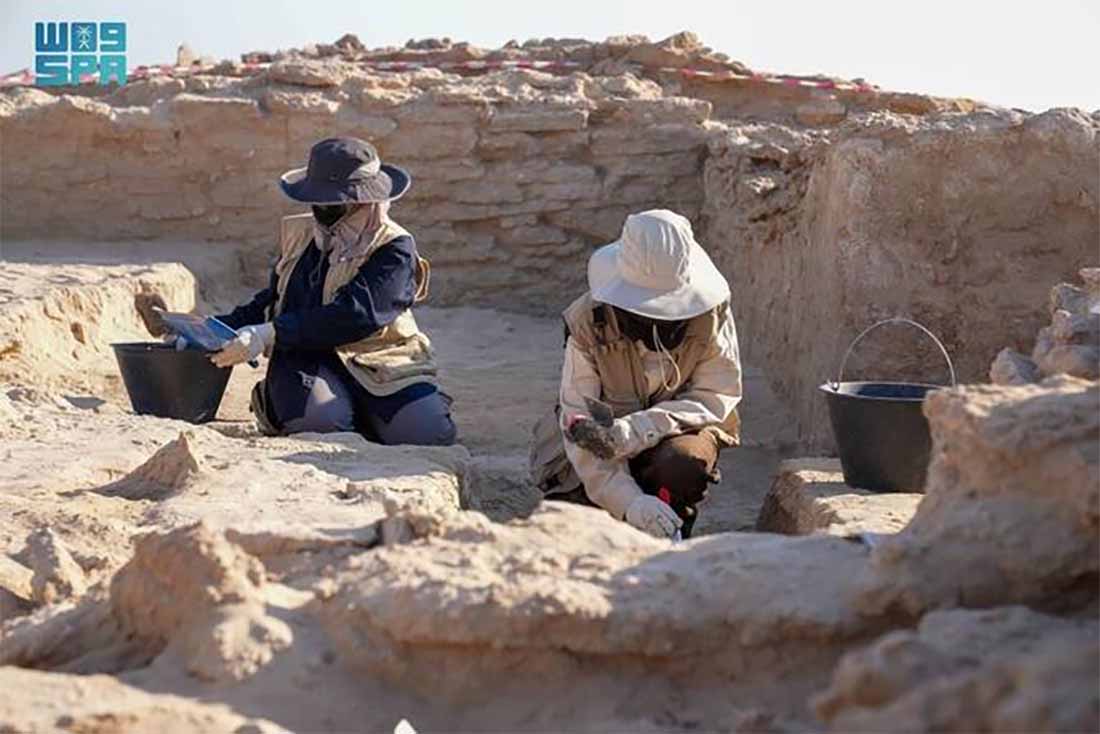
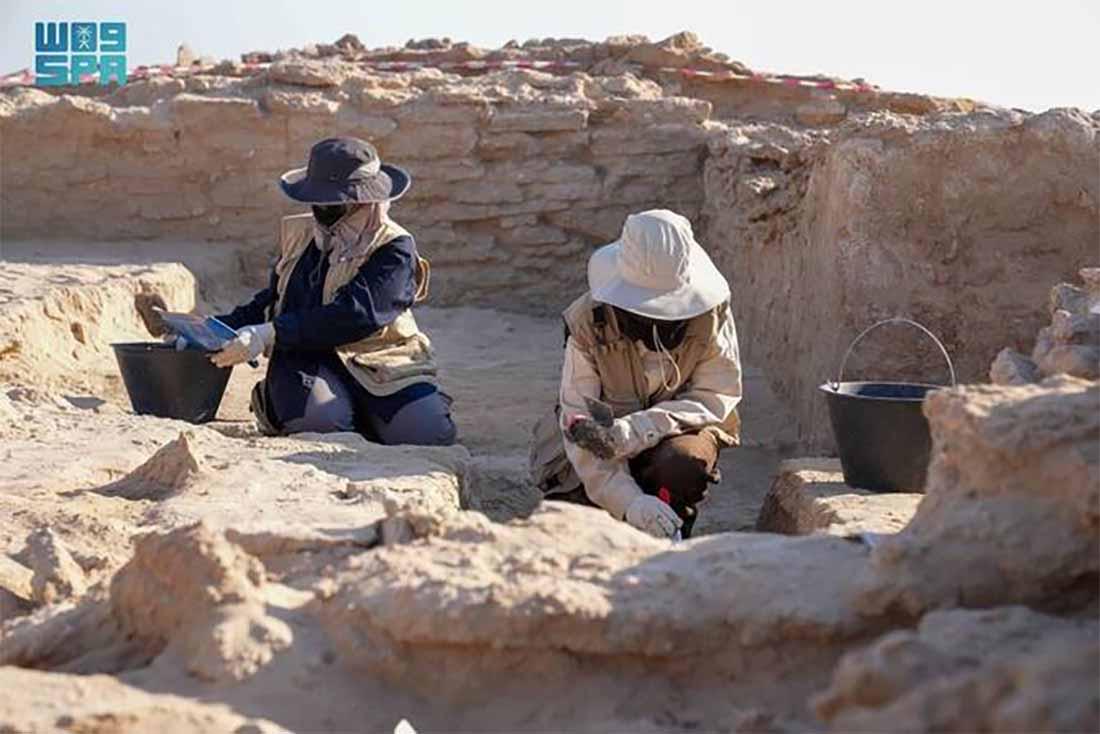
RIYADH - Saudi Arabia continues to reveal its ancient heritage through recent excavations, including ancient wells, courtyards, and Abbasid-era coins at key sites.
The Heritage Commission announced these discoveries on February 12 from the Ra's Qurayyah Port in Al-Ahsa, underscoring the Kingdom's role as a cradle of civilizations.
Archaeologists uncovered 147 artifacts during fieldwork, featuring well-preserved structures like courtyards and wells that highlight early trade and settlement patterns. An Abbasid coin among the finds points to medieval Islamic activity in the Eastern Province. These join broader efforts, such as 1,516 new sites registered last October across Riyadh, al-Baha, and Tabuk, bringing the national total to over 11,577 protected locations.
Historical significance
Saudi Arabia's digs span from Paleolithic tools dated 200,000 years ago in Qassim to 12,000-year-old life-size rock art of camels and ibex in the Al-Nafud Desert. Nabataean tombs at Hegra, south of Petra, further showcase monumental architecture from the 1st century BCE. Recent mummified cheetah remains in caves add to insights on prehistoric fauna.
Preservation efforts
The Ministry of Culture's Heritage Commission, formed in 2020, drives these projects with 3D mapping and international collaborations to protect sites amid tourism growth. This aligns with Vision 2030, positioning archaeology as a pillar for cultural identity and global heritage tourism.