


Militias could draw Iraq into a broader regional conflict
Kataib Hezbollah issues stark warning to Erbil amid US-Iran tensions
Politically, the escalation comes amid ongoing disputes over government formation and power balances among Iraqi factions.
Friday 27/02/2026
Militias could draw Iraq into a broader regional conflict
BAGHDAD – Political concerns are mounting in Iraq over recent threats by Kataib Hezbollah, warning of their readiness to engage in military action in defence of Iran should the country face a US attack. The group’s statement also singled out the Kurdistan Region, raising fears of wider repercussions for Iraq’s fragile internal security and political landscape. Observers warn that such posturing could draw Iraq into a broader regional conflict, at a time when the country is already grappling with deep economic, political and security vulnerabilities.
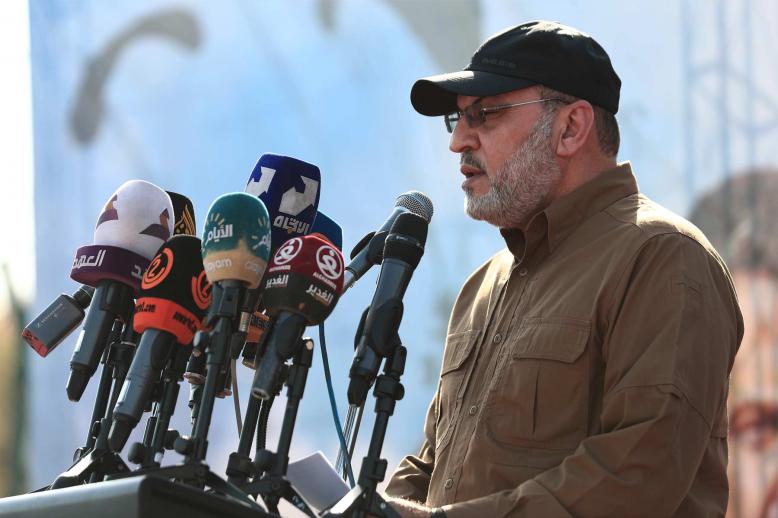
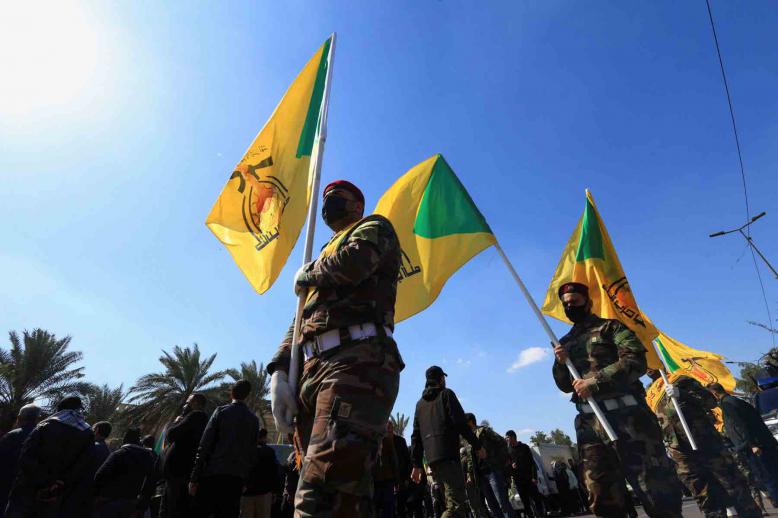
Kataib Hezbollah, a prominent faction within Iraq’s Popular Mobilisation Forces (PMF) and designated a terrorist organisation by the United States, issued a statement calling on all its fighters to heighten their state of readiness. The communiqué stressed the need for “all Mujahideen to prepare for a war of attrition that could be long-term and exceed the estimates of the US administration.” It further warned that “should America ignite the fuse of war, it will face massive losses that cannot be contained or compensated.”
The statement did not confine its warnings to Washington. A direct caution was also aimed at Erbil, where Kataib Hezbollah warned the Kurdistan Regional Government (KRG) against “colluding with foreign forces,” claiming such action would place additional burdens on the region and threaten its security and future. This underlines the expanding scope of political messaging the group seeks to deliver both domestically and externally.
Despite repeated assurances from Erbil of its commitment to peaceful solutions and non-engagement in broader conflicts, analysts say the warnings reflect a sharp political signal from Iran’s local proxy. The timing is particularly sensitive amid ongoing US-Iran nuclear tensions, continued American military presence in Iraq, and the risk of escalation. Experts fear that any clash between Washington and Tehran could prompt pro-Iranian militias in Iraq to target US assets, exposing the country to immediate military reprisals.
Security estimates indicate that Kataib Hezbollah possesses short- and medium-range missiles, drones and expertise in guerrilla warfare, providing them with capabilities for unconventional engagements. However, any decision to move from threats to action depends on wider regional calculations, coordination with Tehran, and the stance of the Iraqi government.
Iraq faces a deeply complex equation. It seeks to maintain a balanced relationship with both Washington and Tehran while contending with internal pressure from political factions and armed groups that view the US presence as a constant threat. A slide into open conflict could also have severe economic repercussions, especially if critical infrastructure or energy supply routes are targeted.
Politically, the escalation comes amid ongoing disputes over government formation and power balances among Iraqi factions. Observers suggest that militant rhetoric could also be leveraged as a bargaining tool in domestic politics, further complicating an already tense environment.
Ultimately, the statement by Kataib Hezbollah signals a direct link between Iraq’s internal security situation and the broader US-Iran confrontation. While the Iraqi government repeatedly rejects turning the country into a theatre for proxy conflicts, questions remain over its ability to control armed factions and prevent Iraq from being drawn into a potentially devastating war that could threaten its stability, security, and economic future.