

The Kremlin has not signalled any immediate intent to intervene militarily
Russia, China denounce strikes on Iran but stop short of action
Both Russia and China have stressed the importance of restraint, dialogue and adherence to international law to prevent the crisis from escalating further.
Sunday 01/03/2026
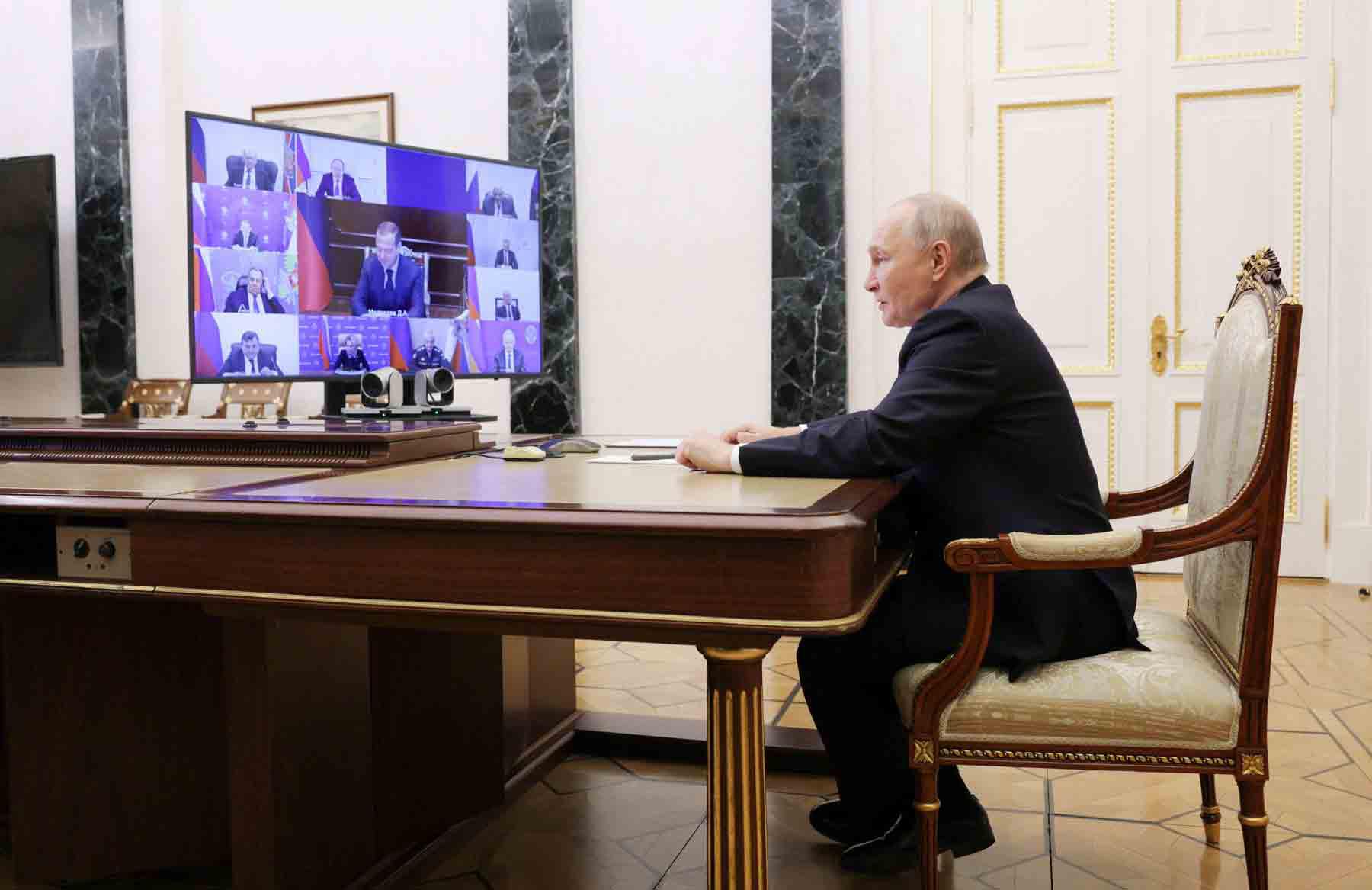
The Kremlin has not signalled any immediate intent to intervene militarily
MOSCOW/BEIJING – Russia and China condemned the killing of Iranian Supreme Leader Ayatollah Ali Khamenei in US and Israeli air strikes, warning of dangerous consequences for regional stability and calling for an immediate halt to hostilities.
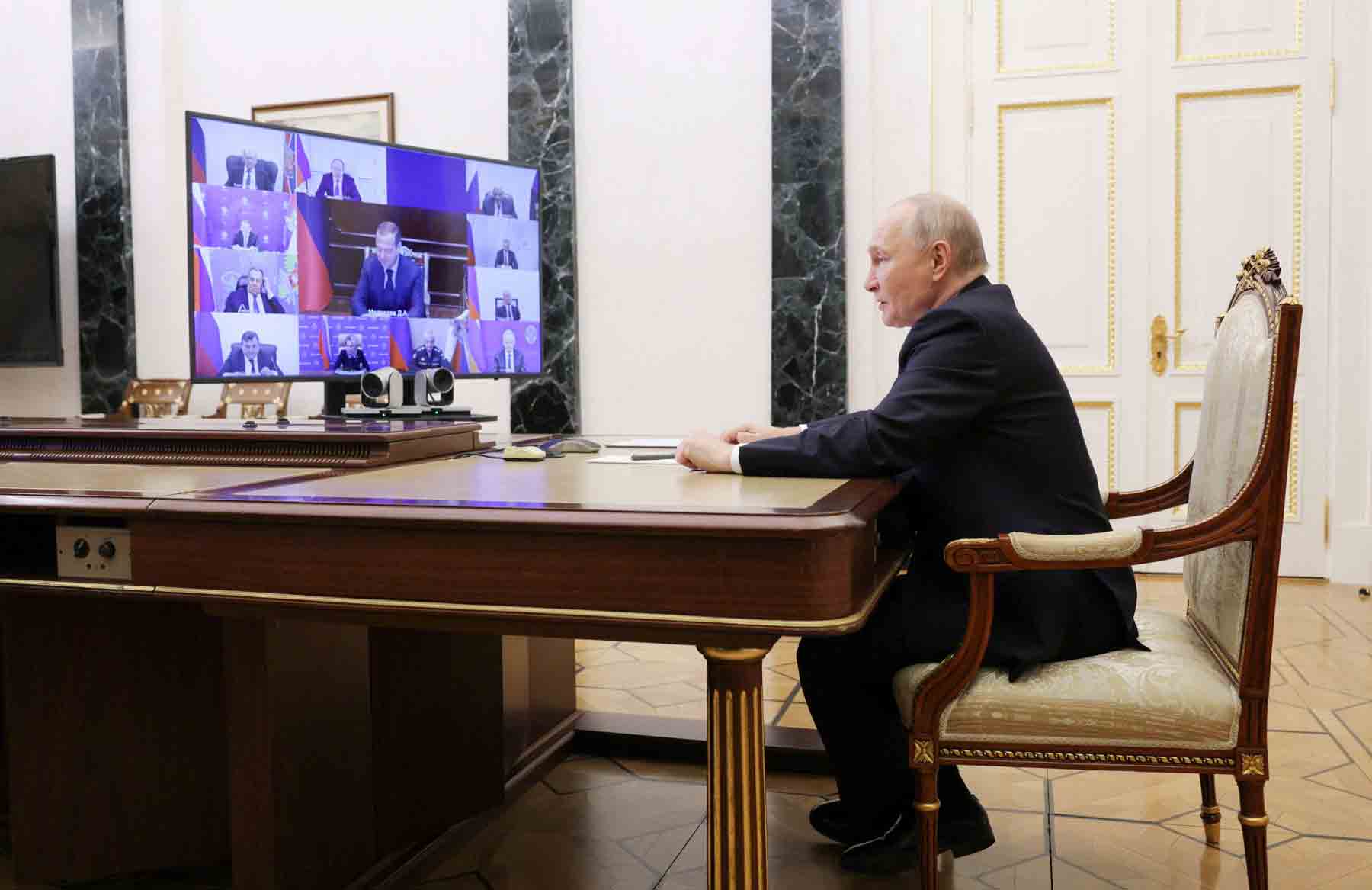
Russian President Vladimir Putin described the assassination as a “cynical” violation of human morality and international law, offering condolences to Khamenei’s family, the Iranian government, and its people.
The Kremlin said Putin conveyed his sympathies in a note to President Masoud Pezeshkian, acknowledging the “blatant murder” of Khamenei and members of his family, and emphasising the Supreme Leader’s role as an “outstanding statesman” who had strengthened Russian-Iranian relations.
Khamenei, who ruled Iran for 36 years and built it into a major anti-US force with influence across the Middle East, was killed in early Saturday strikes by Israel and the United States. His death marks a strategic setback for Moscow, which has cultivated close ties with Tehran for decades, and follows the falls of other Russian allies in Syria and Venezuela over the past 15 months.
Analysts have warned that the killing underscores the limitations of negotiating with the United States, with Russian observers likening the event to the removals of Libyan leader Muammar Gadhafi in 2011 and Iraq’s Saddam Hussein in 2006.
While Russia has previously purchased weapons from Iran for its war in Ukraine and signed a 20-year strategic partnership with Tehran, the Kremlin has not signalled any immediate intent to intervene militarily in response to the US-Israeli strikes.
Putin also expressed concern that Iranian society could consolidate around the political leadership in response to the attacks, despite the vacuum created by Khamenei’s death.
Russian officials noted that the partnership with Iran does not include a mutual defence clause, and that Moscow opposes Iran developing nuclear weapons, fearing a Middle Eastern arms race.
In parallel, China strongly criticised the attacks, calling them “unacceptable” and urging an immediate ceasefire. Chinese Foreign Minister Wang Yi condemned the “blatant killing of a sovereign leader” and the incitement of regime change, urging Washington and Tel Aviv to return to dialogue to prevent escalation into a wider regional conflict.
China’s state-run Xinhua news agency described the strikes as “brazen aggression against a sovereign nation” and a “flagrant violation” of the United Nations Charter and international norms.
In response to the rising tensions, China has taken measures to protect its citizens in the region. The Chinese embassy in Israel advised nationals to evacuate to safer areas or travel to Egypt via the Taba border, while its foreign ministry urged Chinese citizens in Iran to leave the country immediately, listing routes through Azerbaijan, Armenia, Turkey and Iraq.
Some Chinese nationals have already been injured or stranded as Iran retaliated with strikes targeting US bases in the Gulf, as well as other Gulf cities, leading to major flight disruptions. Hong Kong-based Cathay Group suspended operations in the Middle East, affecting passenger and cargo flights to Dubai and Riyadh, and is rerouting flights that would normally traverse the conflict zone.
The strikes have also prompted widespread international concern over the potential for broader conflict.
Experts warn that Khamenei’s death, along with targeted attacks on key Iranian figures, could destabilise the Middle East, disrupt global energy markets and trigger retaliatory measures by Iran and its regional allies.
Both Russia and China have stressed the importance of restraint, dialogue and adherence to international law to prevent the crisis from escalating further, while highlighting the geopolitical implications of US and Israeli military action in a volatile region.
Khamenei’s assassination comes amid calls from US President Donald Trump and Israeli Prime Minister Benjamin Netanyahu for regime change in Tehran, prompting warnings from global powers about the risks of uncontrolled escalation.
Analysts suggest that while Iran’s political structure is resilient and a successor may be quickly appointed, the immediate aftermath of the strike has already caused panic among civilians, disruptions in regional air travel and heightened tensions across the Middle East, reinforcing the stakes for international diplomacy and security.