


Concerns Islamists will gain deeper institutional footing
Sudan’s Islamist integration plan risks deepening country's isolation
The timing of the announcement, coinciding with the United States Department of State designation of Sudan’s Muslim Brotherhood, has added a layer of geopolitical complexity.
Tuesday 24/03/2026
Concerns Islamists will gain deeper institutional footing
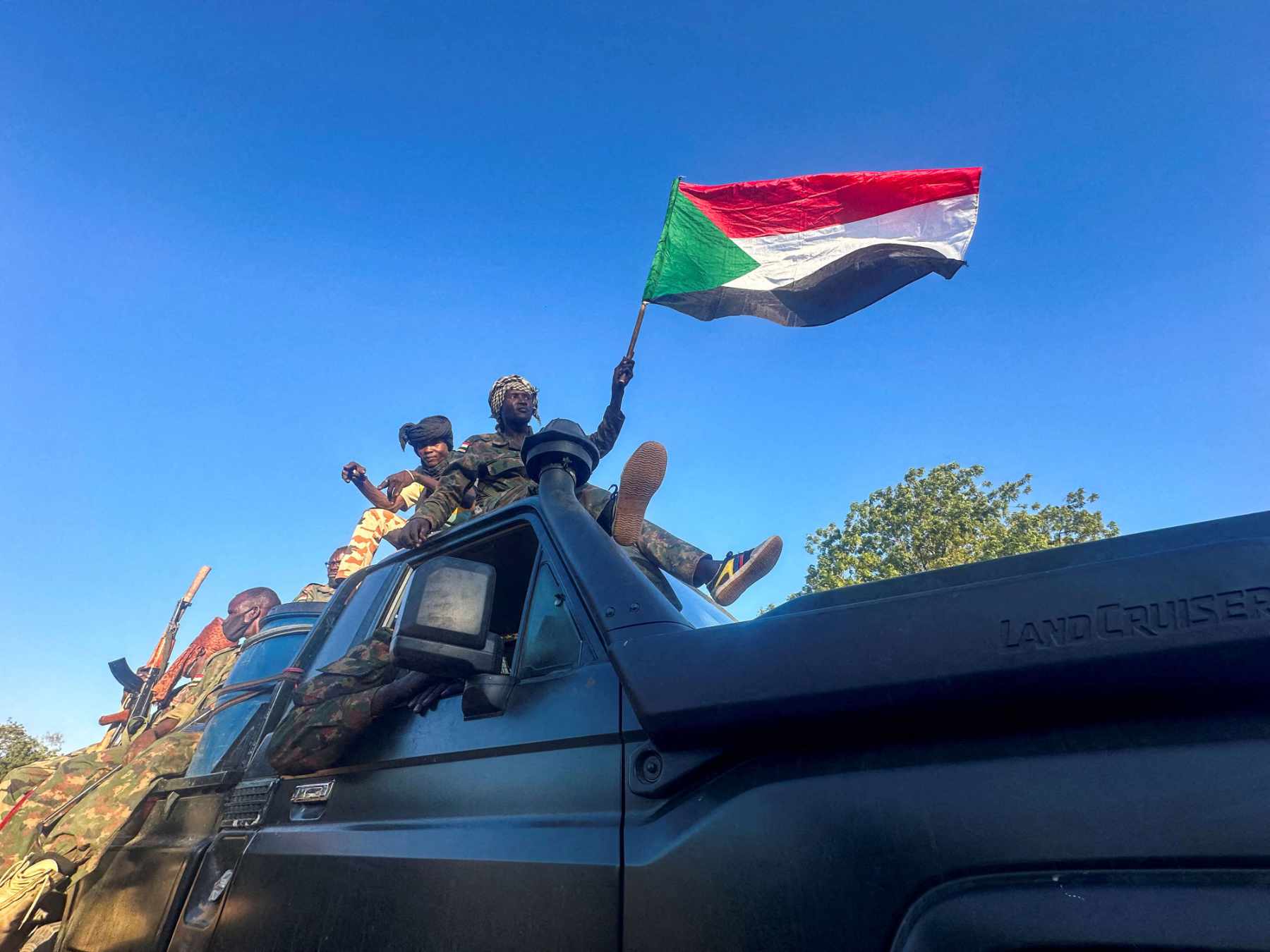
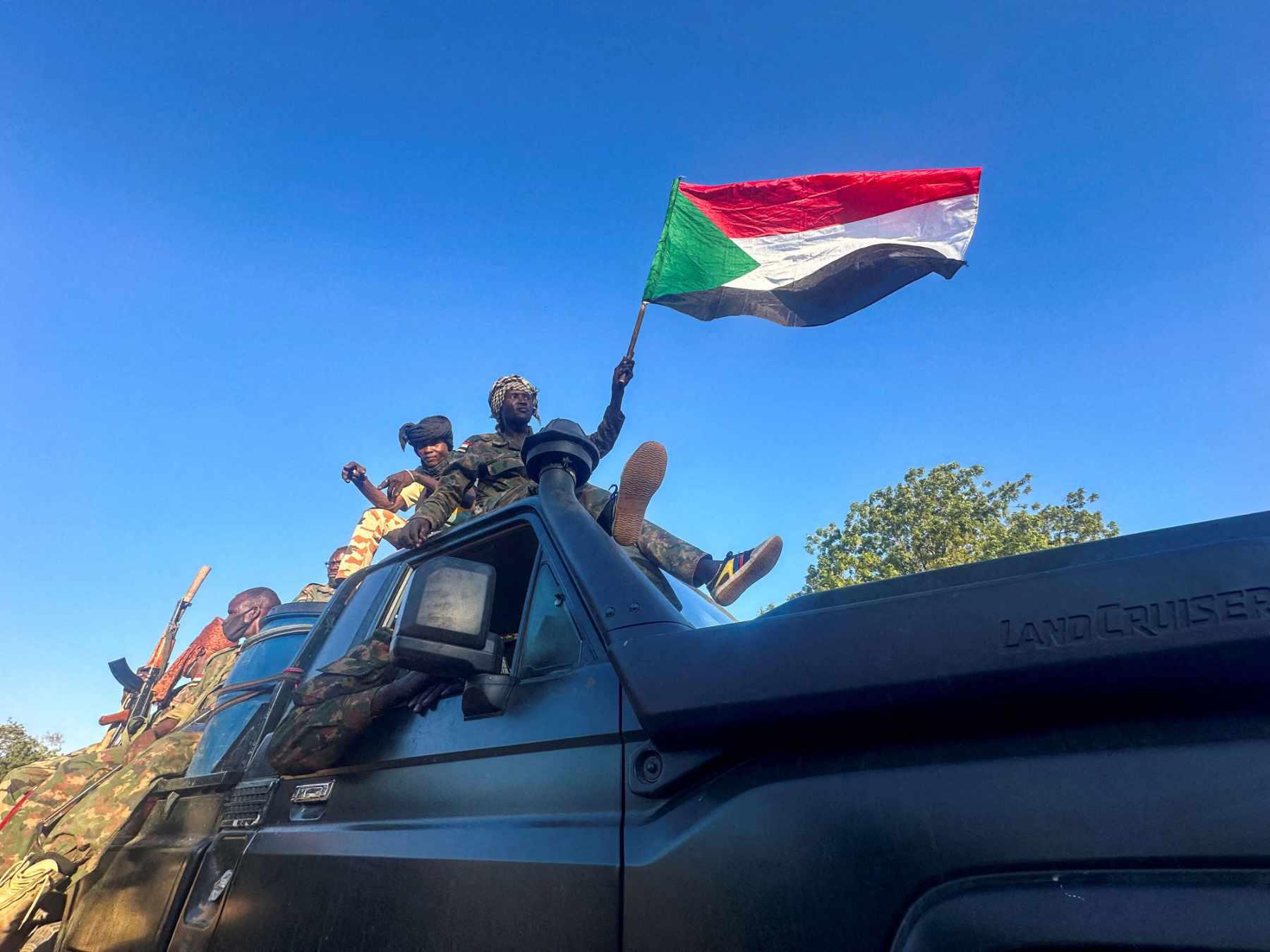
KHARTOUM – Sudan’s military leadership is facing mounting scrutiny after announcing plans to integrate Islamist militias into the Sudanese Armed Forces, a move that analysts say could entrench hardline influence and further complicate the country’s already fragile political transition.
Lieutenant General Yasser al-Atta framed the initiative as a step towards formalising support forces and creating a more structured military system. But rather than reassuring observers, the proposal has intensified concerns that Islamist factions will gain deeper institutional footing.
The timing of the announcement, coinciding with the United States Department of State designation of Sudan’s Muslim Brotherhood, has added a layer of geopolitical complexity.
Washington has increasingly portrayed Islamist networks in Sudan as a counterterrorism concern, citing their role in prolonging conflict and fostering extremism, as well as alleged links to Iran’s Islamic Revolutionary Guard Corps.
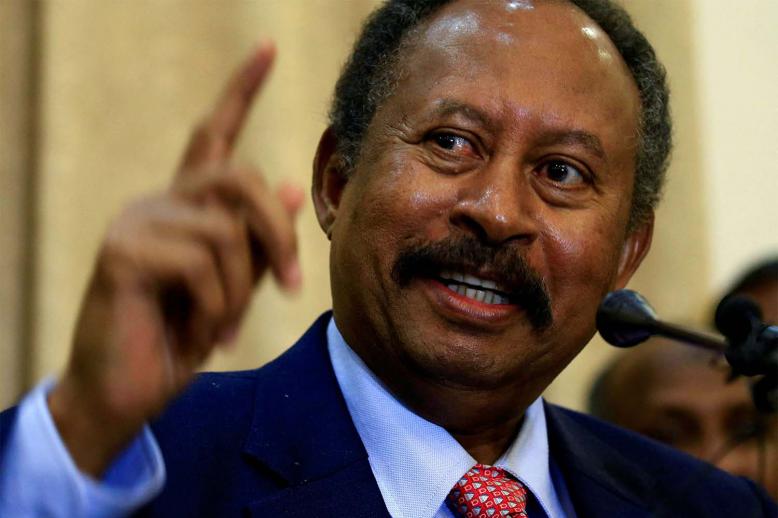
For Sudan’s de facto leader Abdel Fattah al-Burhan, the integration plan reflects a strategic calculation. His reliance on Islamist militias dates back to the post-Omar al-Bashir era, when these networks helped consolidate his grip on power, including during the recapture of Khartoum. Today, they remain central to his military and political survival.
Yet this reliance comes at a cost. Analysts warn that incorporating ideologically-driven militias into the formal military structure risks strengthening constituencies opposed to power-sharing or reform, effectively locking Sudan into prolonged military rule.
As one expert noted, “integrating Islamist fighters into the military cannot be the complete answer … adding more Islamists to the mix does not solve the problem of Islamist penetration.”
Instead, meaningful reform would require dismantling militia structures and adopting long-term strategies informed by international experience.
There is also growing speculation that Burhan may be navigating a complex political bargain.
Some analysts suggest he could have tacitly aligned with international efforts to designate Islamist groups in exchange for easing pressure on the army or securing guarantees for his own position. While unconfirmed, such theories reflect the opaque and transactional nature of Sudan’s current political landscape.
Internally, signs of strain are emerging. The very militias that underpin Burhan’s authority may also challenge it, particularly as competing interests and expectations come into play. This dynamic raises the risk of fragmentation within the security apparatus at a time when cohesion is already under pressure.
For international mediators, the implications are stark. The deeper integration of Islamist networks into state institutions is seen as a major obstacle to peace efforts, undermining confidence in any future political settlement and complicating engagement with Sudan’s leadership.
Ultimately, the move highlights a central dilemma: Sudan’s military leadership appears to be prioritising short-term control over long-term reform, even as external pressure mounts. The result is a strategy that may stabilise power in the immediate term, but risks deepening instability and isolation over time.