

Stripped of authority to conduct diplomatic engagements on behalf of the state
Libya’s Presidential Council moves to assert control over foreign policy
In a formal letter to Prime Minister Abdulhamid Dbeibah, the Council said Baour would no longer be permitted to exercise any functions of a sovereign nature.
Monday 20/04/2026
Stripped of authority to conduct diplomatic engagements on behalf of the state
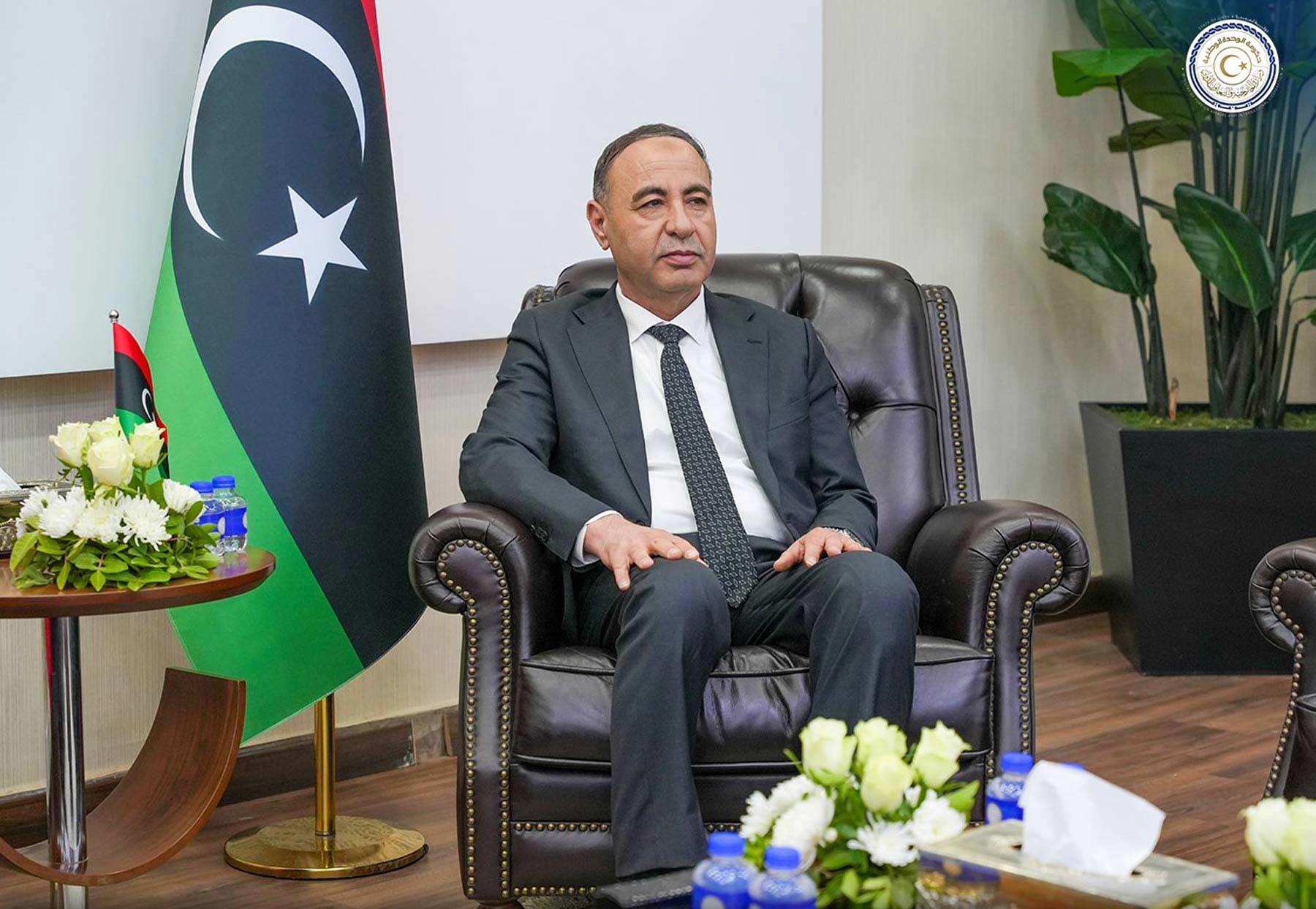
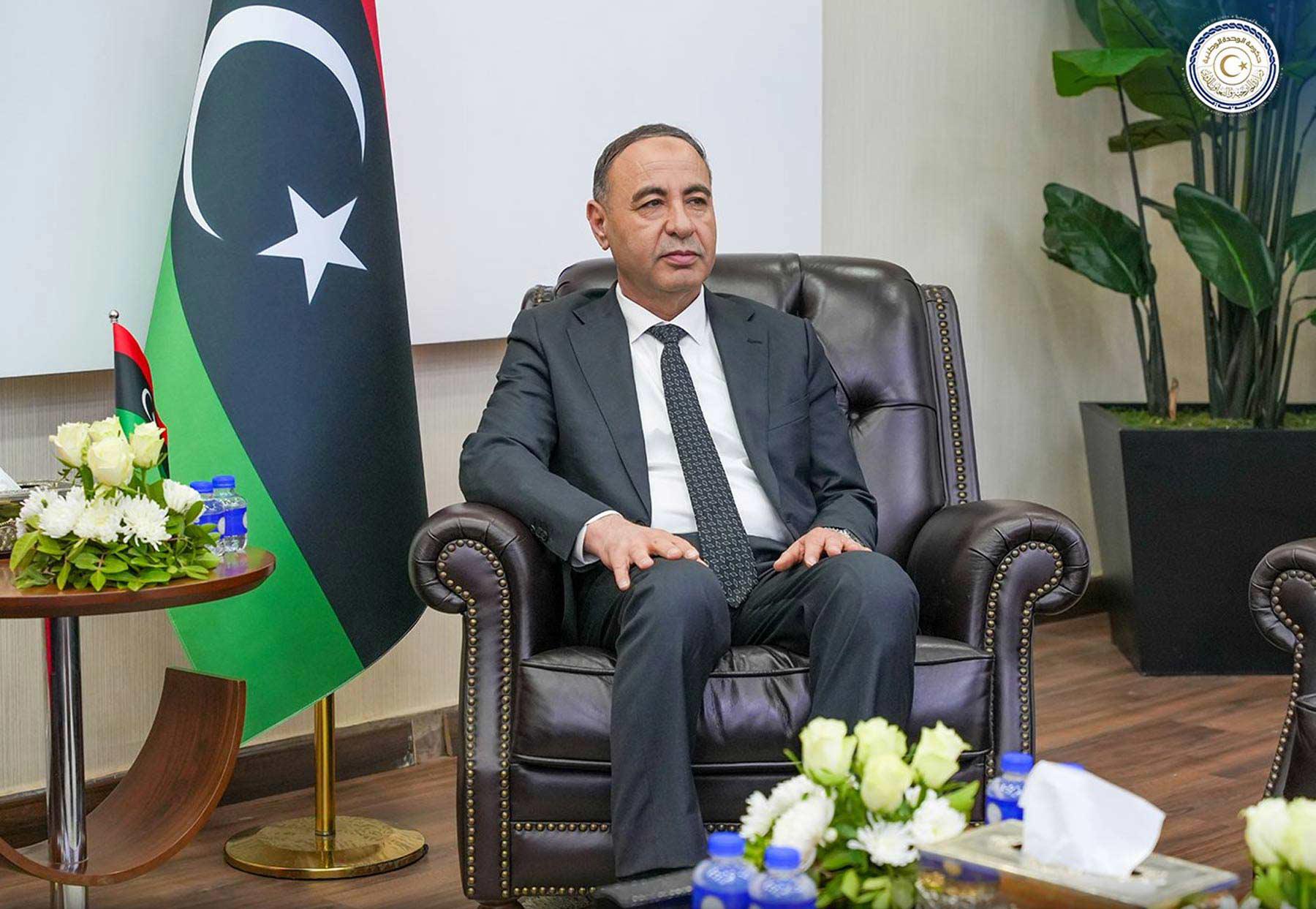
TRIPOLI – Libya’s Presidential Council has moved to suspend acting Foreign Minister Taher al-Baour from all duties related to external representation, in a decision that highlights growing tensions over control of the country’s foreign policy and the management of sovereign institutions.
In a formal letter to Prime Minister Abdulhamid Dbeibah, the Council said Baour would no longer be permitted to exercise any functions of a sovereign nature, effectively stripping him of authority to conduct diplomatic engagements on behalf of the state.
The move follows an internal government decision assigning a senior official to manage the administrative affairs of the Foreign Ministry, which the Council said had been improperly extended into external communications and representation. It argued that such actions exceeded the limits of an administrative mandate and encroached on powers reserved for formally appointed ministers.
Citing the Constitutional Declaration and the framework established by the Libyan Political Dialogue Forum in Geneva, the Council stressed that appointments to sovereign posts, including the foreign ministry, must be subject to consultation and cannot be made unilaterally.
It warned that allowing individuals without proper legal authority to engage in diplomatic contacts risked undermining the coherence of Libya’s foreign policy and creating confusion among international partners over who speaks for the state.
The Council said its decision was aimed at preserving the unity of Libya’s external representation and maintaining discipline in official communication channels, at a time when the country faces complex regional and international challenges.
It also called on the Government of National Unity to nominate a candidate for the post of foreign minister in line with established procedures, enabling the Council to exercise its constitutional role in approving sovereign positions.
The dispute reflects broader institutional frictions within Libya’s divided political landscape, where overlapping mandates and contested authority have frequently complicated governance since the country’s 2011 uprising.
Analysts say the latest move underscores the importance Libya’s leadership places on presenting a unified diplomatic front, particularly as it navigates a volatile regional environment and seeks to maintain credibility on the international stage.
By intervening directly, the Presidential Council appears to be signalling a firmer approach to enforcing constitutional procedures and clarifying lines of authority within the executive, in an effort to prevent further fragmentation of decision-making at a sensitive moment for the country.