



Sharp escalation in Washington’s campaign to curb Iran-aligned groups
US offers $10m bounty on militia leader as pressure builds on Baghdad
The announcement underscores a broader shift in US strategy, moving beyond military strikes on militia positions to directly targeting their leadership networks and political influence.
Friday 24/04/2026
Sharp escalation in Washington’s campaign to curb Iran-aligned groups
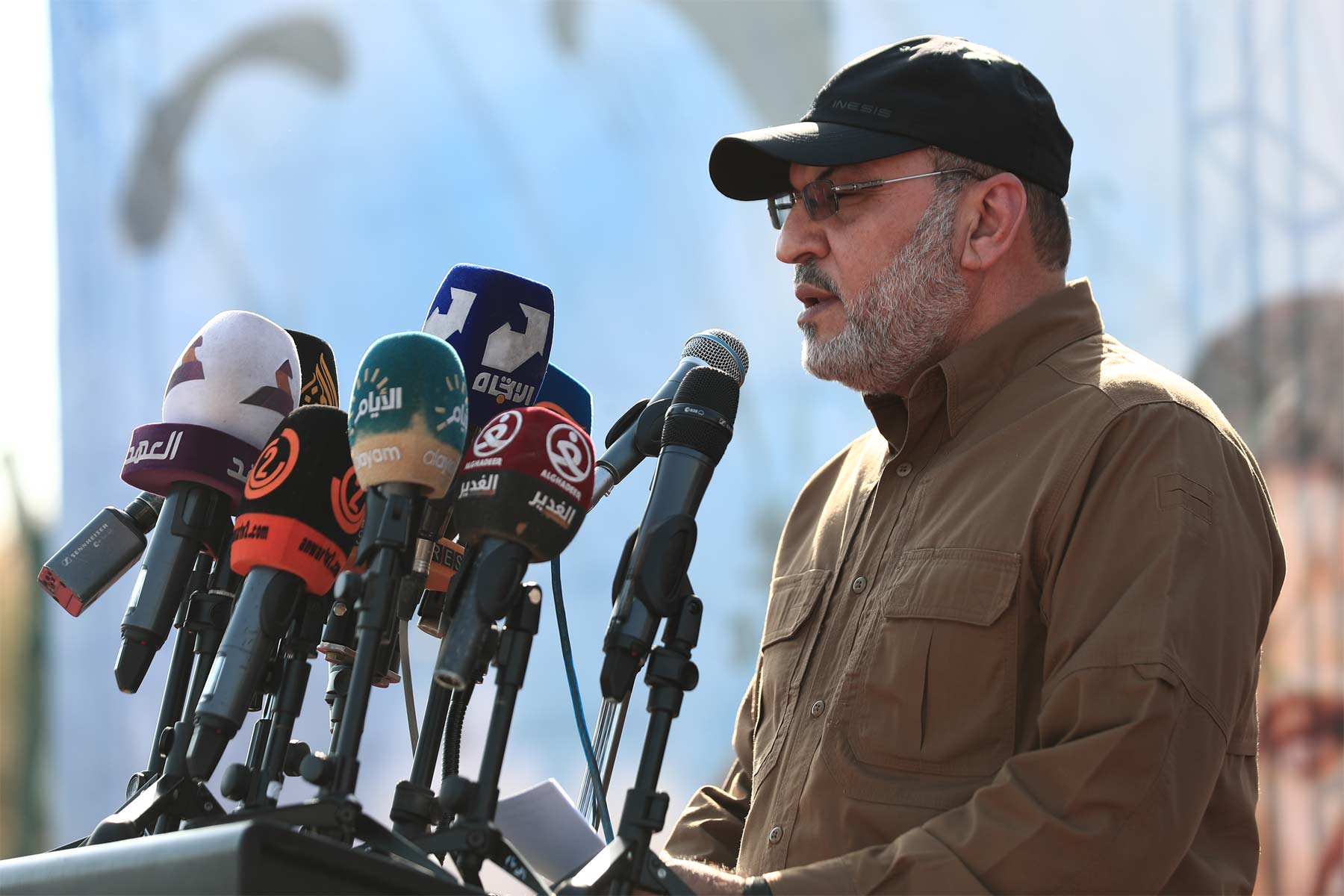
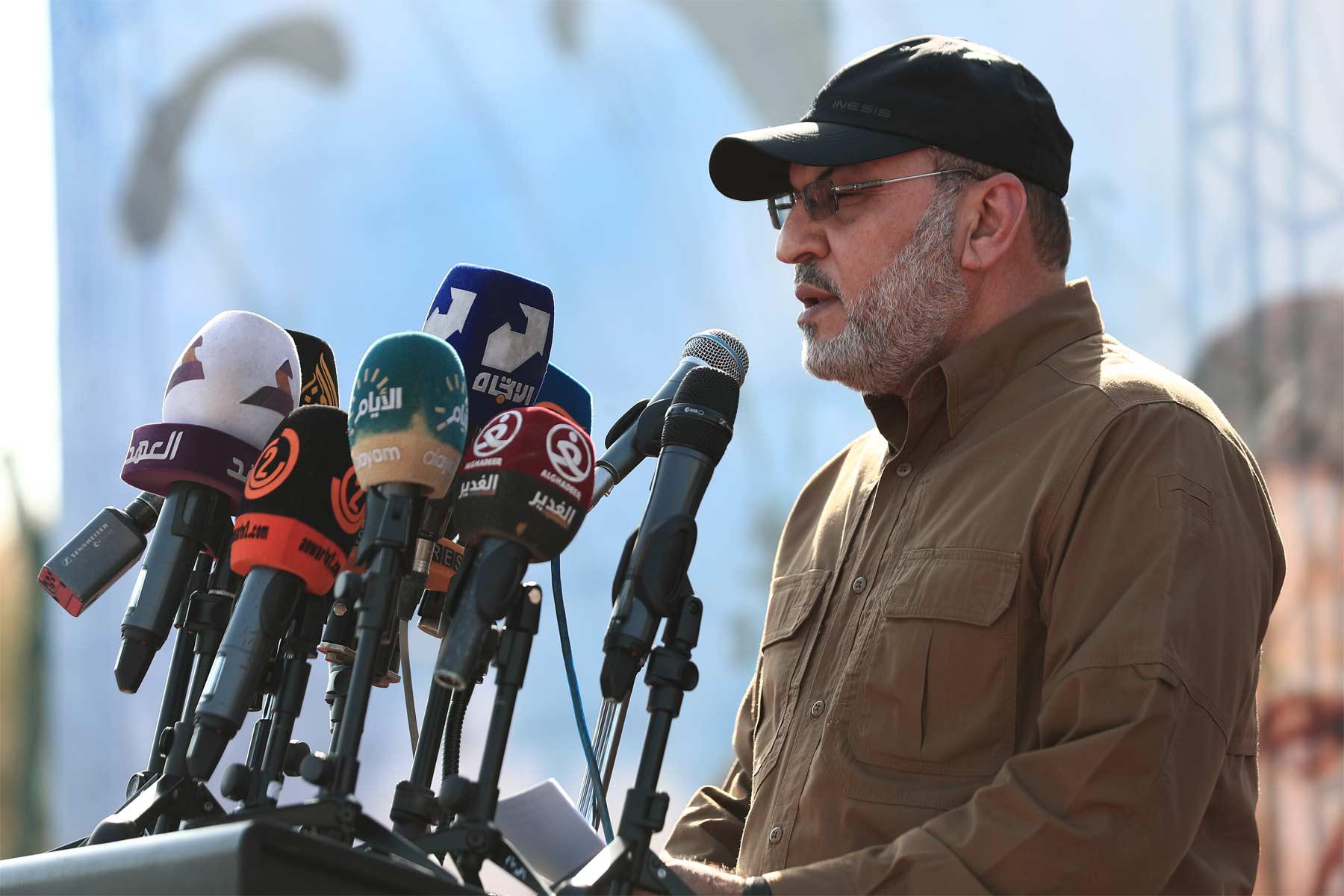
BAGHDAD – The United States has announced a reward of up to $10 million for information leading to the capture of Iraqi militia leader Hashim Finyan Rahim al-Saraji, also known as Abu Alaa al-Walai, in a move that signals a sharp escalation in Washington’s campaign to curb Iran-aligned armed groups and intensify pressure on Baghdad.
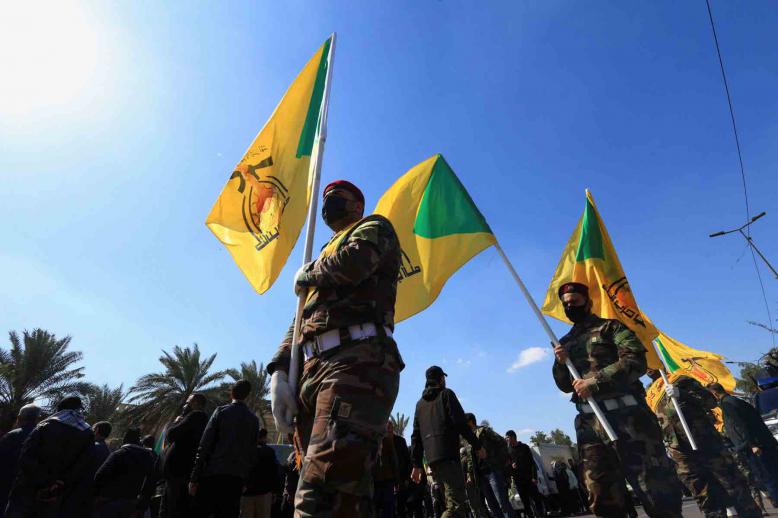
The bounty, issued under the US State Department’s Rewards for Justice programme, targets the secretary-general of Kataib Sayyid al-Shuhada, a powerful militia designated by Washington as a terrorist organisation. The group has been accused of involvement in “the killing of Iraqi civilians and attacks on diplomatic facilities and US military bases in both Iraq and Syria.”
The announcement underscores a broader shift in US strategy, moving beyond military strikes on militia positions to directly targeting their leadership networks and political influence. Saraji is not only a field commander but also a prominent figure within Iraq’s Shiite Coordination Framework, the parliamentary bloc that holds decisive sway over government formation and policy direction.
US officials said individuals providing credible information could also be eligible for relocation to the United States, highlighting the seriousness of the pursuit. The move follows a similar $10 million reward earlier this month for the leader of Kataib Hezbollah, signalling a coordinated effort to dismantle Iran-linked militia leadership structures.
The escalation comes as Iraq remains entangled in the fallout of the US-Israeli war on Iran, which began on February 28 and turned Iraqi territory into a theatre of proxy confrontation. During the conflict, bases linked to the Popular Mobilisation Forces were hit by airstrikes attributed to Washington and its allies, while Iran-aligned factions responded with missile and drone attacks on US interests across Iraq and the wider region.
Alongside security measures, Washington is applying mounting economic pressure on Baghdad, targeting the financial lifelines that underpin the Iraqi state. In recent weeks, the US reportedly blocked the transfer of approximately $500 million in oil revenues to Iraq, a move widely interpreted as a warning over the government’s failure to rein in armed factions.
The United States also suspended shipments of US dollars and froze funding for key security programmes, including military training and counter-terrorism cooperation. Iraqi officials confirmed that intelligence-sharing arrangements and routine coordination meetings with US forces have been halted, raising concerns over the country’s ability to maintain security gains against extremist threats.
American officials have repeatedly demanded the disbandment of the Popular Mobilisation Forces or tighter control over their weapons, warning that continued militia attacks on US and allied interests would carry consequences. Washington has also signalled its willingness to intervene politically, with President Donald Trump opposing the return of former prime minister Nouri al-Maliki, widely seen as a key backer of Iran-aligned factions, to the premiership.
Diplomatic warnings to Baghdad have grown increasingly explicit. According to Iraqi foreign ministry sources, Washington has made clear it “will not tolerate” continued inaction against armed groups, particularly following attacks on US diplomatic missions, including an ambush targeting American personnel in Baghdad earlier this month.
The pressure extends beyond Iraq’s borders. Iran-aligned militias have been blamed for attacks not only within Iraq but also against targets in Saudi Arabia, the United Arab Emirates, Bahrain, Kuwait, Jordan and Syria, reinforcing US claims that these groups act as regional proxies for Tehran.
Analysts say the combination of financial leverage and targeted security measures marks a decisive phase in US policy, aimed at forcing Iraqi authorities to take a firmer stance against militias embedded within state institutions. Iraq’s dependence on dollar flows, which are routed through the US financial system under arrangements dating back to the 2003 invasion, gives Washington significant influence over the country’s economic stability.
At the same time, militias continue to wield power across Iraq’s political, security and economic spheres, with accusations that they siphon off dollar revenues through illicit networks and funnel funds to Iran, which remains under heavy international sanctions.
For Baghdad, the intensifying US campaign presents a precarious balancing act. While reliant on Washington for economic stability and security cooperation, Iraq must also contend with deeply entrenched armed factions that retain political legitimacy and popular support in parts of the country.
As Washington escalates its pressure campaign, the $10 million bounty on Saraji signals not only a manhunt, but a broader attempt to reshape Iraq’s power structure by targeting the nexus between militias, politics and state institutions.