


A shift in how heritage is defined
UAE launches register to preserve modern architectural heritage
The initiative places post-Union architecture at the heart of a broader national strategy to strengthen Emirati identity and preserve the country’s rapid development story.
Thursday 30/04/2026
A shift in how heritage is defined
ABU DHABI – The UAE has launched a National Register of Modern Architectural Heritage, marking a significant step in efforts to document and protect buildings that have shaped the country’s identity since the 1960s.
The initiative, announced on Wednesday by the Ministry of Culture, places post-Union architecture at the heart of a broader national strategy to strengthen Emirati identity and preserve the country’s rapid development story for future generations.
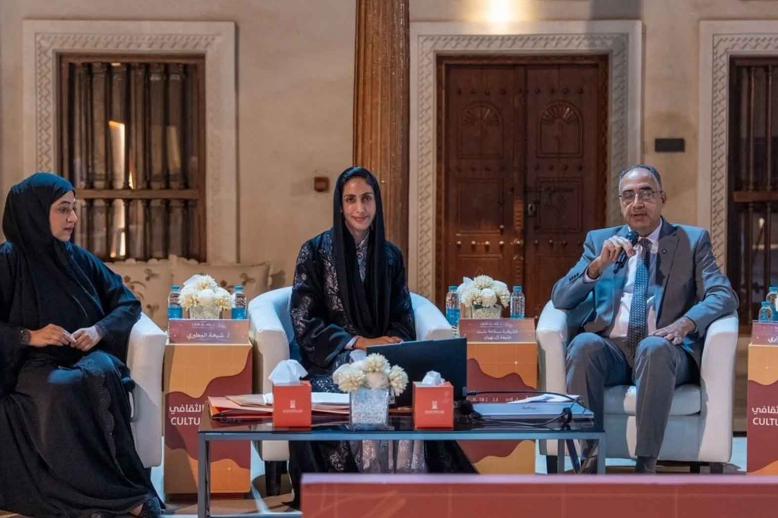
The launch coincided with the first meeting of the National Identity Committee, chaired by Sheikha Mariam bint Mohamed bin Zayed Al Nahyan, bringing together senior officials including the Minister of Culture Sheikh Salem bin Khalid Al Qassimi and the Minister of Economy and Tourism Abdulla bin Touq Al Marri.
Developed in coordination with the Presidential Court’s National Projects Office, the register forms part of the National Identity Strategy and aligns with a federal policy approved in 2024 dedicated to preserving modern architectural heritage across the Emirates.
Officials said the goal is to safeguard buildings and urban sites that reflect the UAE’s transformation following the formation of the federation in 1971, recognising them not only as physical structures but as markers of social, cultural and political change.
In its first phase, the register includes 10 landmark sites from across the country, each selected for their historical significance, architectural value and contribution to urban development.
Among them is Union House in Dubai, the site where the UAE’s founding agreement was signed in 1971, alongside Sheikh Rashid Tower, an early symbol of Dubai’s emergence as a regional commercial centre and the Deira Clock Tower, one of the city’s most recognisable early urban landmarks.
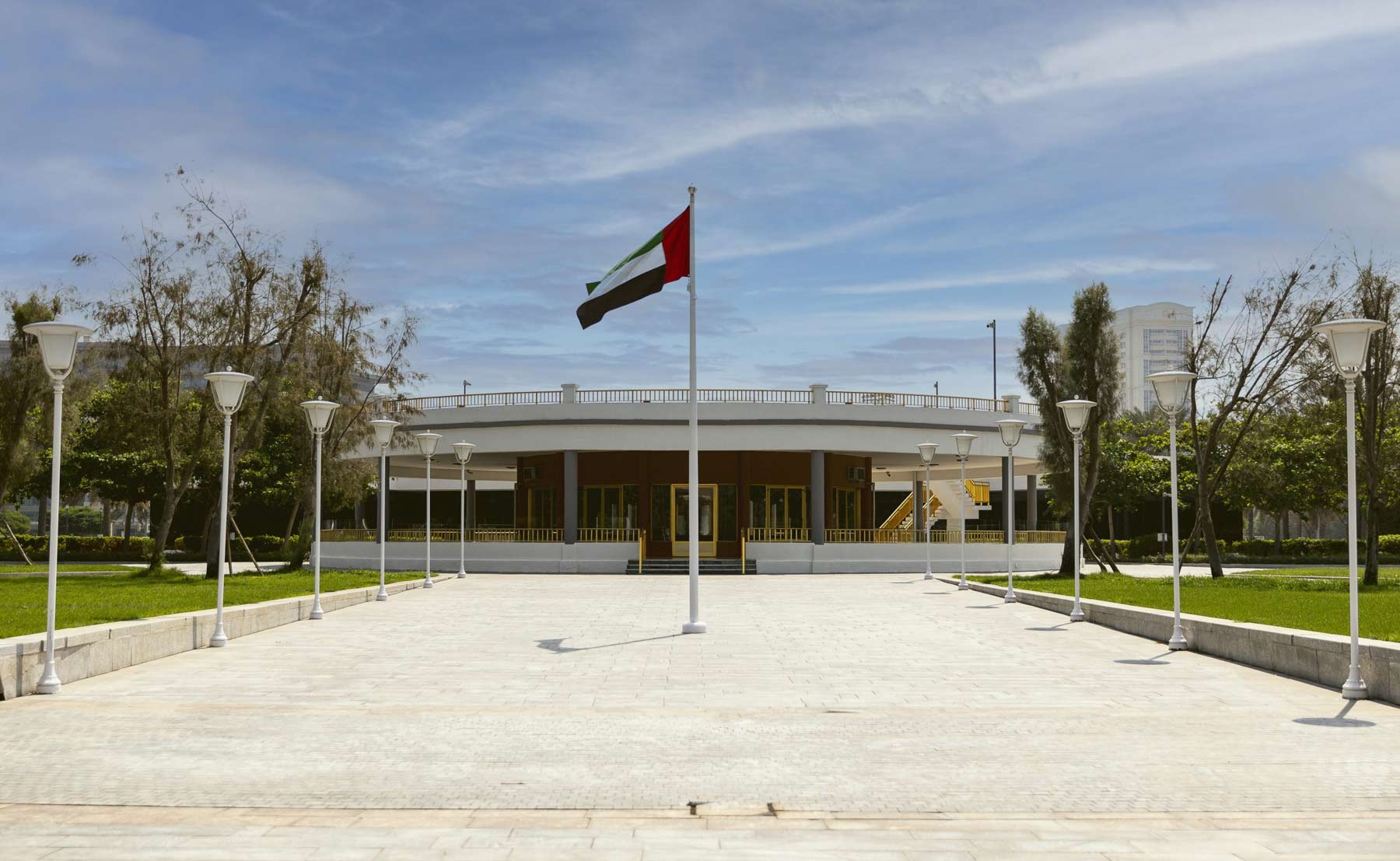
In Abu Dhabi, the list features the National Consultative Council building at Qasr Al Hosn, associated with the emirate’s early legislative development, as well as the Cultural Foundation, which has played a central role in the capital’s cultural life since the 1980s.
Other entries include key institutions in education and healthcare, such as Al Qasimia School, Khalid bin Mohammed School, the Islamic Institute Complex at UAE University in Al Ain, the Special Education Support Centre in Sharjah, and Saqr Hospital in Ras Al Khaimah. Together, they reflect the expansion of public services during the formative decades of the federation.
According to the Ministry of Culture, buildings selected for the register will receive official recognition, enhanced legal protection and access to funding and support programmes. They will also be prioritised for research, documentation and cultural promotion, with the aim of strengthening heritage-based tourism and academic study.
The criteria for inclusion focus on several factors, including association with key national milestones or figures, architectural and aesthetic value, influence on urban planning, and their role in shaping collective memory.
Authorities said the initiative reflects a shift in how heritage is defined in the UAE, extending beyond traditional or ancient sites to include modern structures that tell the story of nation-building, rapid urbanisation and institutional development.
The National Identity Committee will oversee implementation of the wider strategy, coordinating policies across government entities to embed cultural identity more deeply into public life and long-term development planning.
Officials said the register is intended not only to preserve the past but also to ensure that the UAE’s modern history remains visible, accessible and meaningful as the country continues to evolve.
Similar efforts have already been underway at emirate level, particularly in Abu Dhabi, where dozens of modern sites have been listed in recent years under cultural heritage laws that provide legal protection for structures from the UAE’s formative decades.
By formalising a nationwide approach, the new register signals an expanded commitment to documenting the architecture of the post-Union era as a defining element of the country’s national story.