


Not the first Egyptian drama to explore the Brotherhood
‘Ras El Afaa’ uses drama to expose deceptions of Muslim Brotherhood
The series skillfully intertwines artistic storytelling with real events. Alongside dramatization, it incorporates archival footage broadcast by Egyptian media at the time.
Monday 23/02/2026
Not the first Egyptian drama to explore the Brotherhood
CAIRO – Each time Egyptian drama confronts the Muslim Brotherhood, it sparks debate over whether the art form can truly expose the group’s deceptions and political manoeuvres. Supporters of the Brotherhood often attempt to downplay such portrayals.
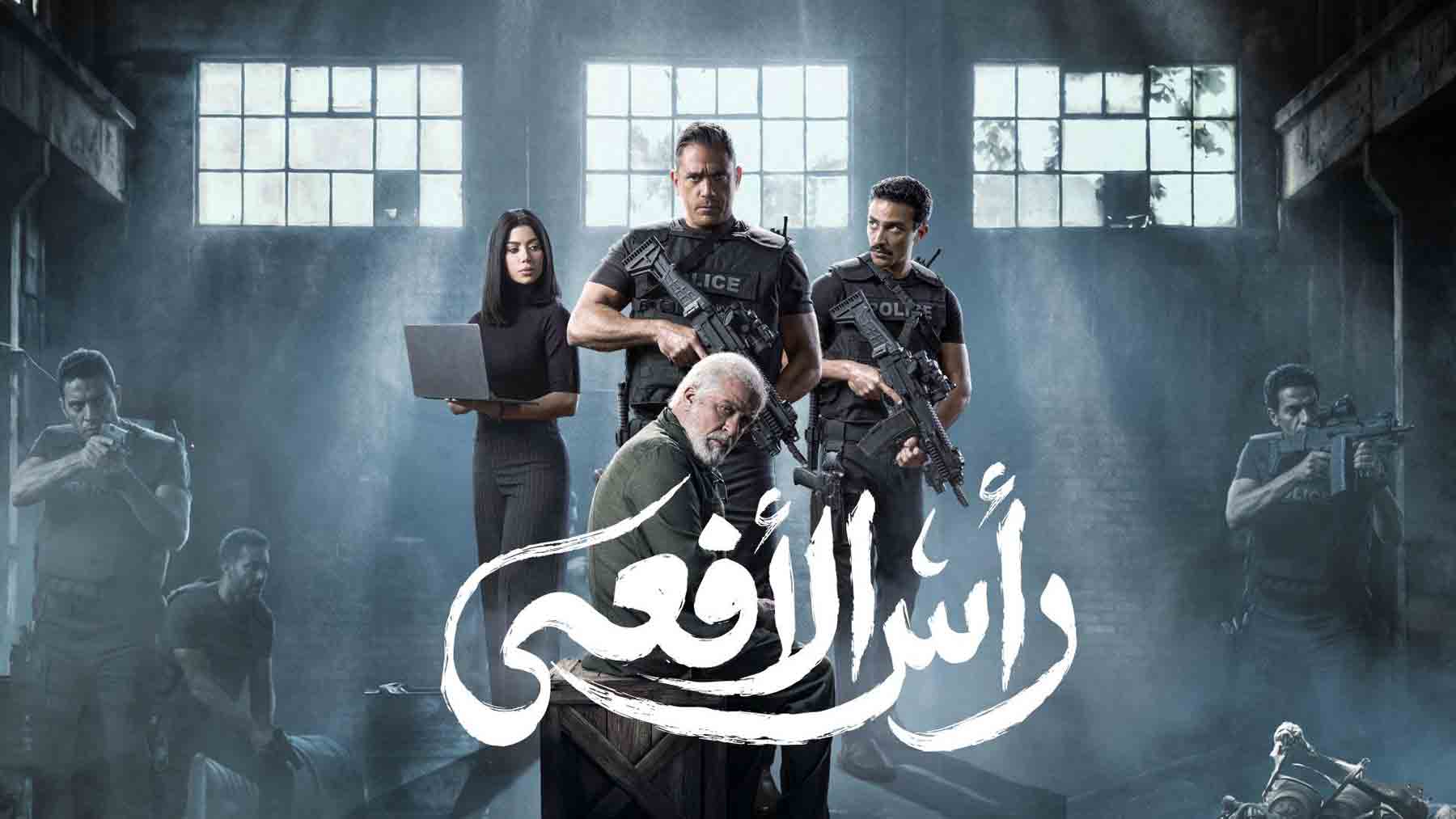
With the premiere of the Ramadan series “Ras El Afaa” on several Egyptian channels, that debate has intensified. The drama delves into the life of Mahmoud Ezzat, historically known as Ras El Afaa (Head of the Snake), who assumed leadership of the Brotherhood following its ousting in Egypt some 13 years ago.
Few members of the public fully appreciate the pivotal role Mahmoud Ezzat played in numerous violent incidents both before and after the Brotherhood’s fall from power. He has been described as the architect behind several terrorist operations that followed the dispersal of the Rabaa Al-Adawiya sit-in in Cairo in August 2013. By dramatizing his biography, the series offers a compelling blend of factual events and in-depth artistic interpretation, providing audiences with previously unknown insights into a significant chapter of modern Arab history.
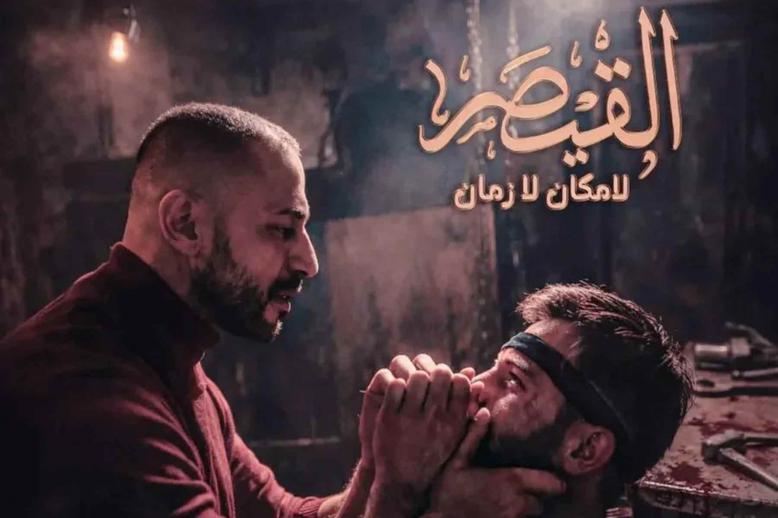
“Ras El Afaa” is not the first Egyptian drama to explore the Brotherhood. It follows earlier productions such as “Al Jamaa,” penned by the late Wahid Hamed, and other popular series including “Kalabsh” and “Al Ekhteyar” (The Choice). Initially intended to be the fourth instalment of the “Kalabsh” franchise, the producers opted to present it as a standalone work, while casting Amir Karara, forging a thematic connection to both “Kalabsh” and “Al Ekhteyar.”
The series skillfully intertwines artistic storytelling with real events. Alongside dramatization, it incorporates archival footage broadcast by Egyptian media at the time, highlighting terrorist operations carried out by the Brotherhood and the arrests of those involved, often reported initially without full context. This approach echoes strategies employed in the third season of “Al Ekhteyar,” reinforcing the argument against the Brotherhood and emphasising the series’ grounding in reality.
“Ras El Afaa” unveils previously unknown developments, including a plot to destroy the Ahmed Orabi metro station in central Cairo, which would have endangered thousands of commuters, but was foiled due to a planted explosive device. Such portrayals eliminate residual sympathy for the Brotherhood, which continues to attempt to undermine the Egyptian government, exploiting economic hardship, rising prices, and inflation to deepen the divide between state and citizens.
Produced by the United Media Services company, the series benefits from strong political backing and aims to counter the Brotherhood’s media narrative, which frequently casts the group as a victim of a comprehensive state conspiracy. The production also decodes how political Islam has historically leveraged media to cast doubt on official narratives, seamlessly blending artistic dramatization with pivotal moments from Egypt’s recent history.
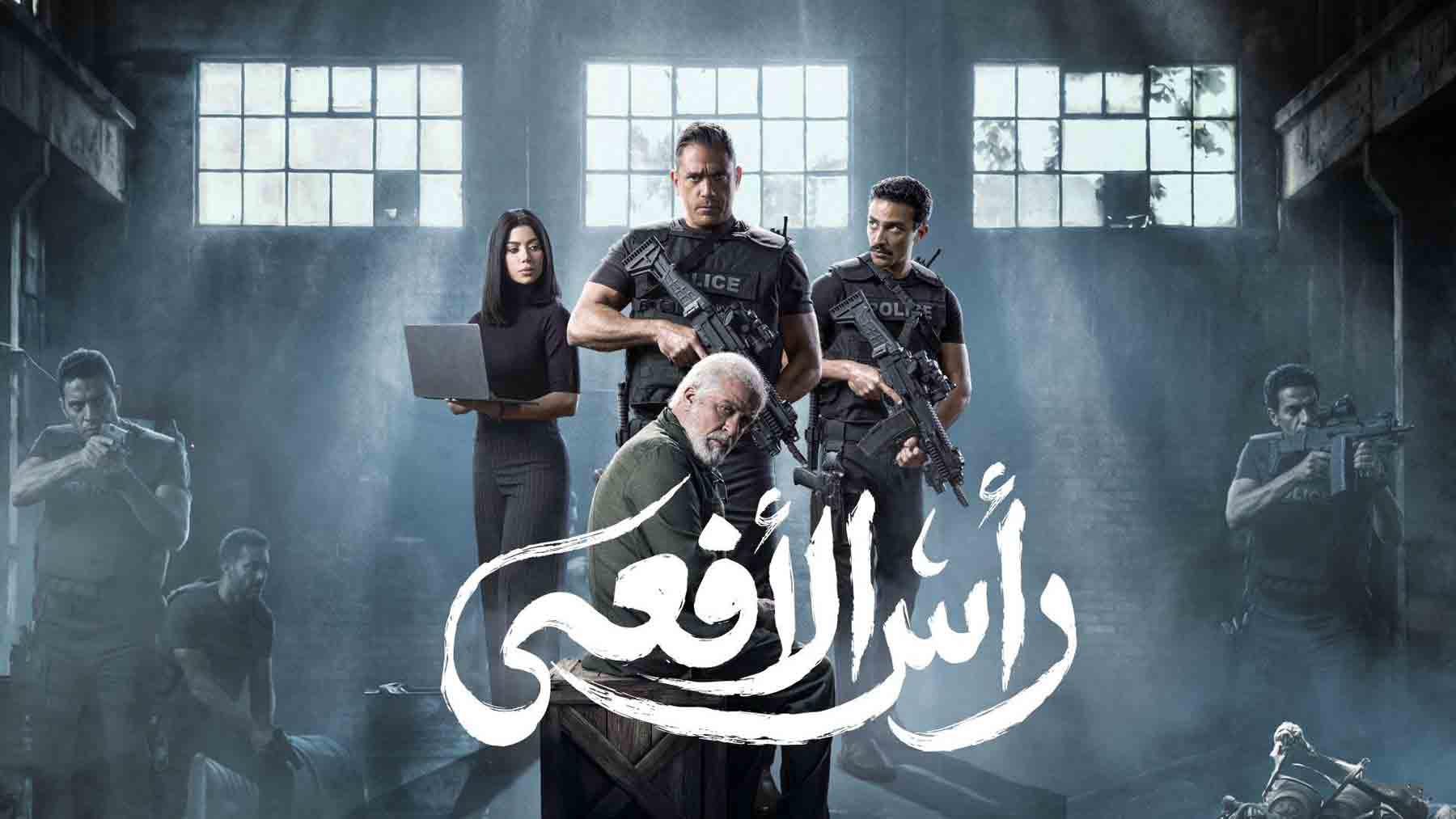
The cast features Amir Karara as a National Security officer, supported by Ahmed Ghozzi, Caroline Azmy and Mourad Makram in various security roles. Mahmoud Ezzat is portrayed by Sherif Mounir, who embodies both the subject’s strict security discipline and subtle human nuances, a demanding performance that requires a nuanced balance between severity and empathy, convincingly depicting one man capable of shifting fluidly between harshness and flexibility.
The production aims to continue delivering works that intersect political, security, social and artistic narratives, demonstrating that the Brotherhood’s presence in Egypt, despite containment, remains a persistent shadow. Its members remain adept at concealment and manipulation, highlighting the need for informed awareness grounded in security intelligence.
The first three episodes have already captured public attention, educating a younger generation unfamiliar with the Brotherhood’s ideology and dangers while reinforcing historical knowledge for those who lived through the January 2011 and June 2013 revolutions. By addressing attempts to exploit social media for political propaganda, the series seeks to prevent youth from falling under narratives that seek to absolve the Brotherhood of its violent, destructive history, including attacks on judges, police and army personnel over the past decade.
Produced with substantial resources, the series benefits from meticulous research. Author Hani Sarhan and director Mohamed Bakir collaborated closely with security sources to ensure the story is delivered convincingly and communicates its intended message faithfully.
“Ras El Afaa” examines Ezzat’s clandestine and significant role, clarifying long-standing questions surrounding his extended periods abroad, places of residence and time spent in hiding from public view. The series also addresses internal leadership disputes within the Brotherhood, dispelling myths of dual leadership and factionalism following Ezzat’s arrest roughly six years ago.
By highlighting the risks of soft power in political manoeuvring, the series demonstrates how meticulously crafted drama can leave a lasting impact, serving as a reference point for future generations seeking to understand this complex period of Egyptian history. Notably, the production avoids overt political provocation, instead delivering a narrative that transcends the Brotherhood, resonating with audiences both within Egypt and beyond its borders.
