


Can art precede justice?
Controversy erupts as Syrian series revisits Assad-era abuses
Some view the series as an attempt to document pain and break the silence surrounding years of abuse. Others see it as emotional exploitation of wounds that remain open.
Thursday 26/02/2026
Can art precede justice?
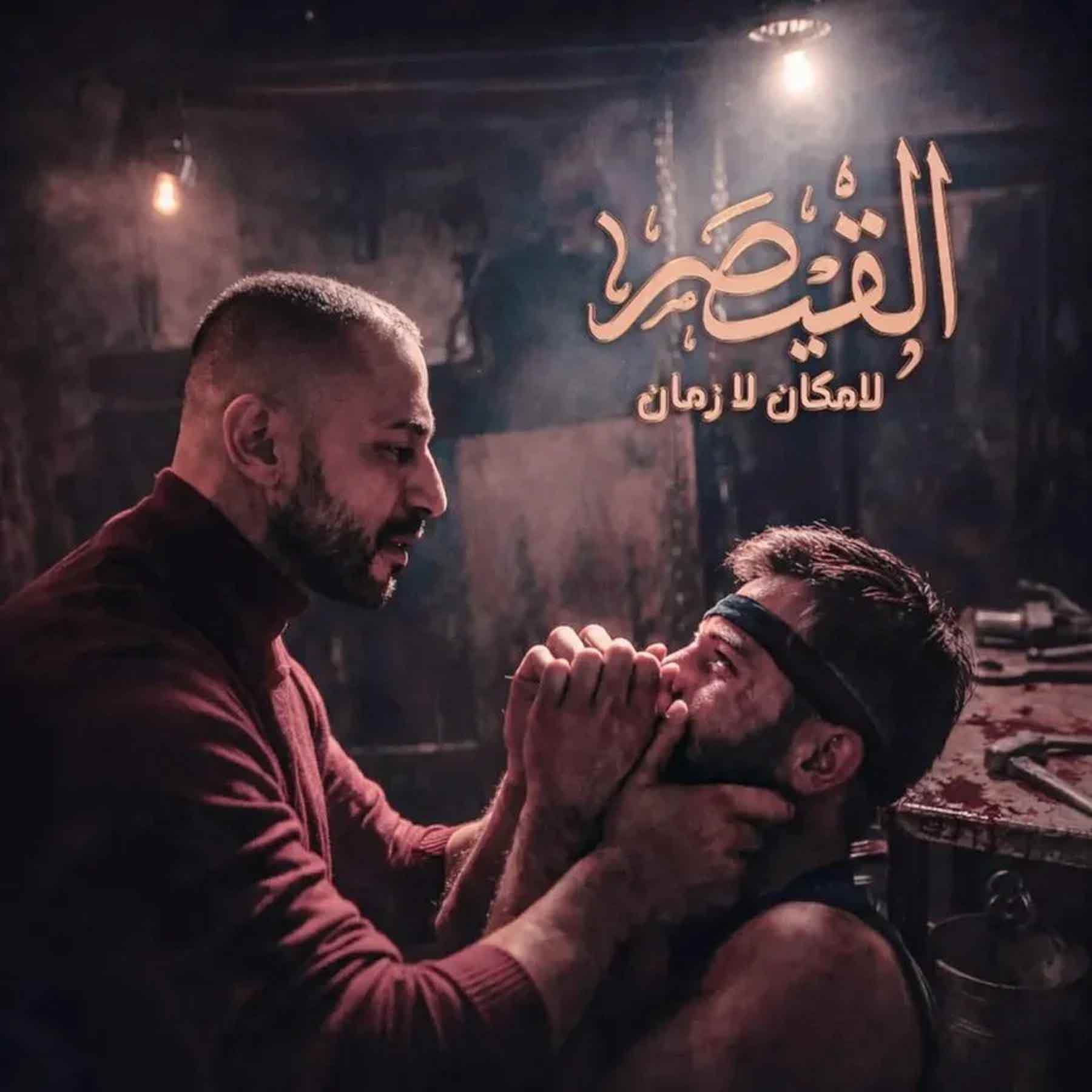
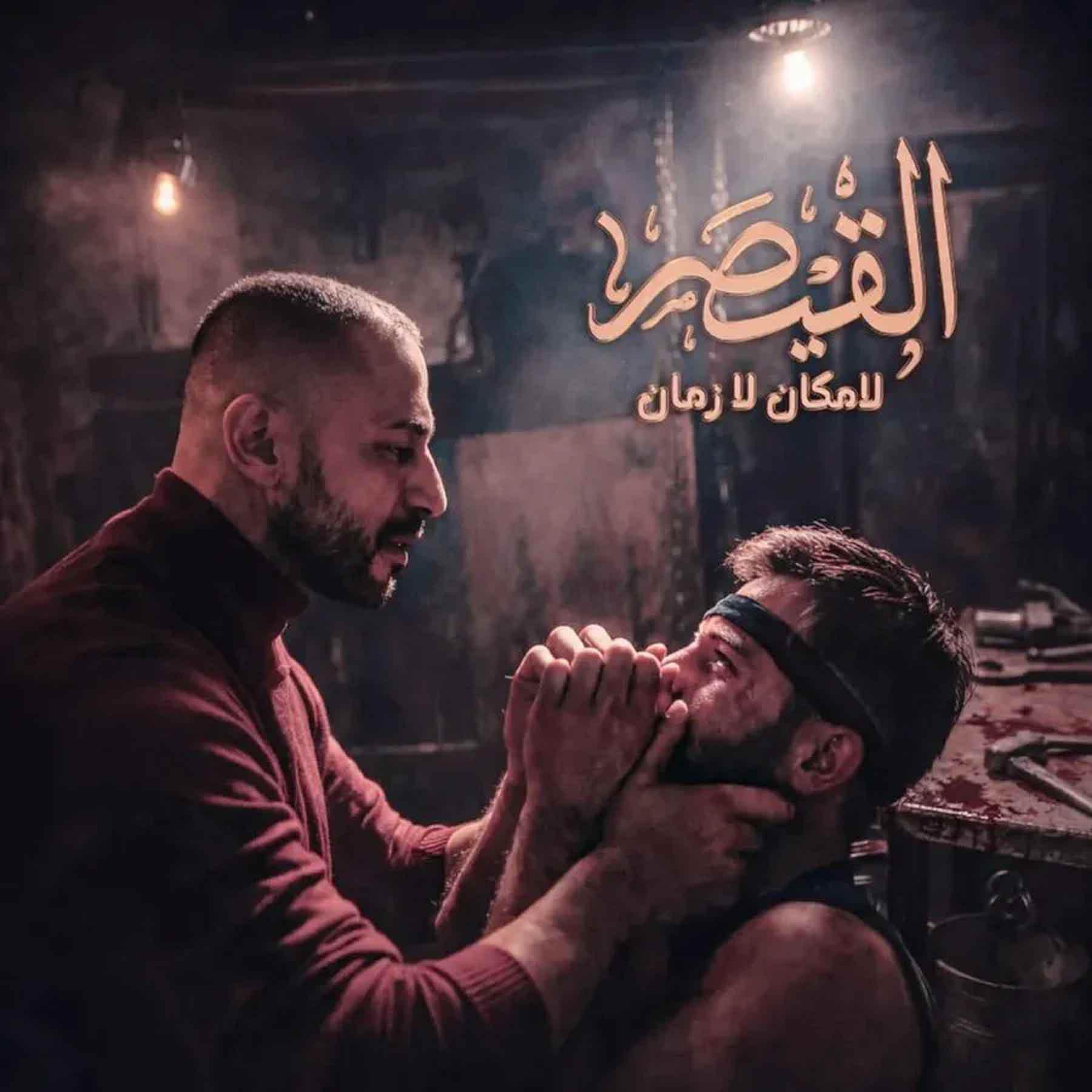
DAMASCUS – The screening of the first two trilogies of the Syrian television series “Caesar… No Time, No Place,” also known as “Prisons of the Devil,” has triggered a wave of controversy across Syria’s cultural and human rights circles, with mounting criticism that the production turns the detainees’ file into dramatic material before the full truth has emerged and justice has been achieved.
The series, structured as ten separate trilogies directed by Mostafa Safwan Nemo in collaboration with several writers, depicts violations inside Syrian prisons from 2011 until the flight of former president Bashar al-Assad in late 2024. According to promotional material, the drama draws on real testimonies from inside detention centres and explores the daily realities of Syrians living under a repressive system that infiltrated homes, relationships and livelihoods.
Yet the timing and treatment of the subject have deeply divided public opinion. Some view the series as an attempt to document pain and break the silence surrounding years of abuse. Others see it as emotional exploitation of wounds that remain open.
The first trilogy, entitled “Path of Pain,” became the epicentre of the backlash. A widely-circulated clip shows an officer interrogating a young woman from Homs while uttering insults directed at the late Abdul Baset al-Sarout, a prominent figure of the popular uprising. Many Syrians regarded the scene as a direct affront to Sarout’s symbolism and sacrifice.
Calls for accountability quickly followed. The Homs Bar Association announced its intention to file a lawsuit, while the Caesar Families Association issued a statement stressing that “the stories of the victims are a historical trust that cannot be bought or sold in the television production market.” The association warned against transforming their suffering into entertainment before those responsible for abuses have been held accountable.
Activist and writer Wafa Mustafa argued in a video statement that releasing the series at this stage “distracts Syrians from the absence of truth,” noting that there is still no clear path for transitional justice or for revealing the fate of the forcibly disappeared. “Syrians do not want a drama that searches for the truth,” she said. “They want the truth itself.”
Writer and psychotherapist Rima Fleihan cautioned against approaching “people’s pain and their open wounds” without careful psychological consideration, emphasising that the use of drama in transitional justice contexts requires exceptional sensitivity to avoid reactivating collective trauma.
Director Orwa Alahmad went further, describing scenes of detention and torture as “cheap trading and emotional blackmail,” arguing that the complexity of the Syrian experience cannot be reduced to fleeting insults or shock imagery.
In response, Mostafa Safwan Nemo denied reports that the series had been halted by the streaming platform Shasha, stating that the production team had received no official decision and that filming concluded some time ago.
“We do not claim to possess the truth,” he said. “We are trying to open a window onto stories that have not yet been told. Acting is not literal documentation; it is an artistic re-creation of reality.”
Addressing the controversy surrounding the Sarout scene, Nemo said it reflected language reportedly used inside detention centres and did not constitute endorsement. “These scenes represent the executioner’s discourse, not the position of the work,” he stated, urging viewers to distinguish between fictional characters and the creators.
The debate has extended within the production team itself. Writer Zuhair al-Mulla revealed that earlier drafts of “Path of Pain” included scenes in which Bashar al-Assad was insulted, but these were later removed. He acknowledged that the script underwent revisions affecting language and certain details, particularly dialect, in order to “preserve civil peace.” While he denied deleting scenes targeting the regime, he conceded that attempts to keep pace with public trends may at times have disrupted the balance he had hoped to achieve.
From the outset, the very title “Caesar” carried particular sensitivity, as it is associated with the military defector who leaked thousands of photographs documenting torture victims, images that led to international sanctions. Although the National Drama Committee previously stated that the series was not directly linked to that case, the use of the name has remained contentious.
In February 2025, the National Drama Committee temporarily suspended the project and announced a review of its title and participant list in response to public objections. Following amendments, however, the series was released, reigniting controversy.
The structure of independent trilogies allows each segment to tell a different story within the shared prison setting, moving between interrogation cells, officers’ offices and family homes. Critics argue that the heavy reliance on graphic torture scenes, swelling musical scores and heightened emotional performances renders the work closer to “visual shock” than nuanced human exploration.
Supporters counter that breaking the silence about what occurred is essential, even if conveyed through drama. They argue that art has historically served as a vehicle for confronting authority and preserving collective memory, and that ignoring pain does not advance justice.
The Syrian Future Movement echoed these concerns in a formal statement, affirming that the detainees’ and forcibly disappeared persons’ file, as documented in the Caesar photographs and survivors’ testimonies, remains a profound wound in Syria’s collective memory. It stressed that thousands of families are still awaiting the truth, the identification of remains, and accountability through a comprehensive transitional justice process.
The movement rejected what it described as any commercial or entertainment exploitation of victims’ suffering and called on producers to reconsider the timing of the broadcast or amend the series in consultation with victims’ representatives. Drama, it said, can be a powerful tool for awareness and remembrance, but it becomes harmful if it overshadows the path towards justice and truth.
As families across Syria and in exile continue to search for answers about loved ones who vanished in detention, the question lingers: can art precede justice, or must truth and accountability come first?