

The contrast could not be sharper
In new Ramadan series, Mai Omar goes from queen to crushed wife
Egyptian drama, particularly “El Sett Monalisa,” is opening a wider conversation about marital dynamics in society and the psychological impact of daily behaviour within the home.
Tuesday 24/02/2026
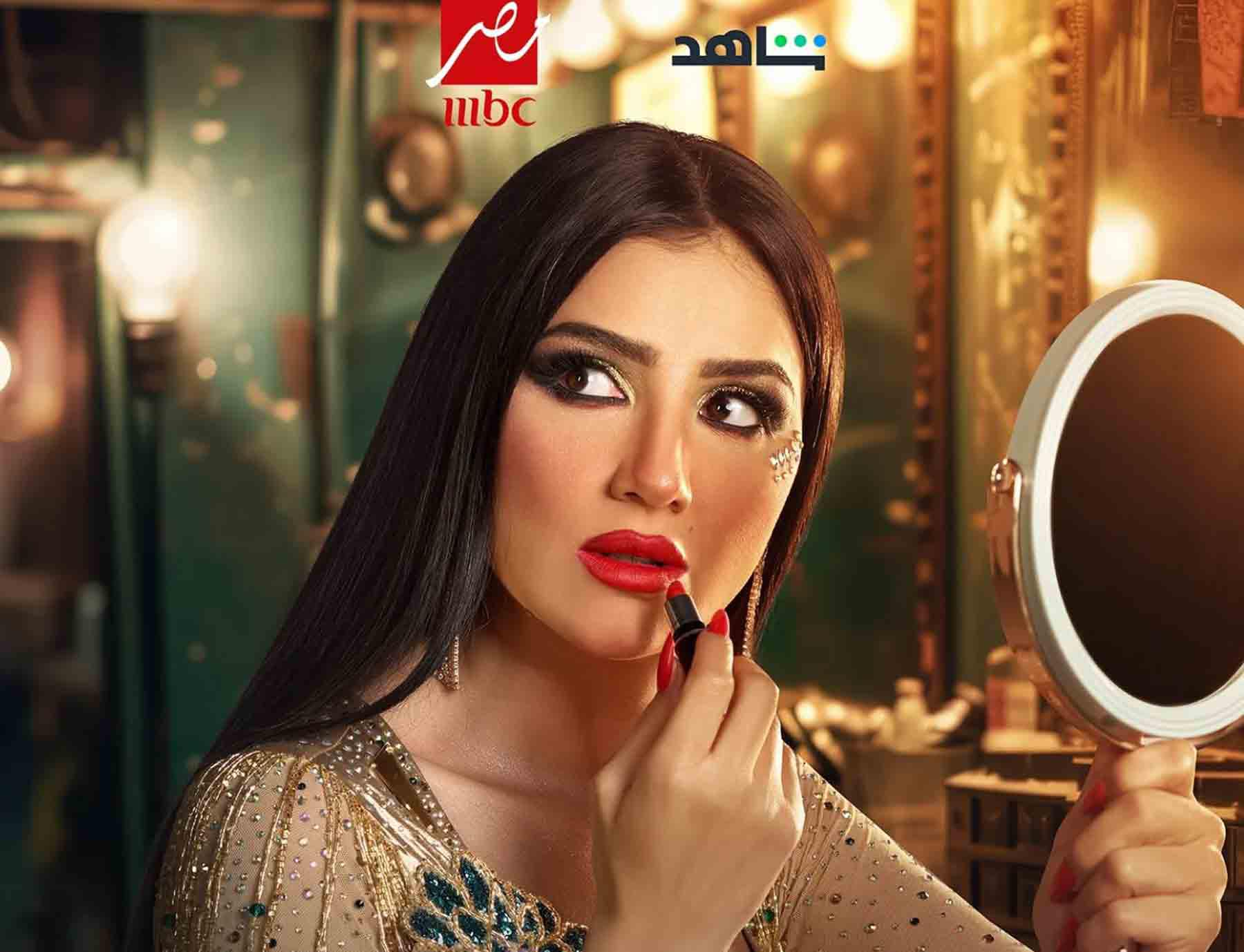
The contrast could not be sharper
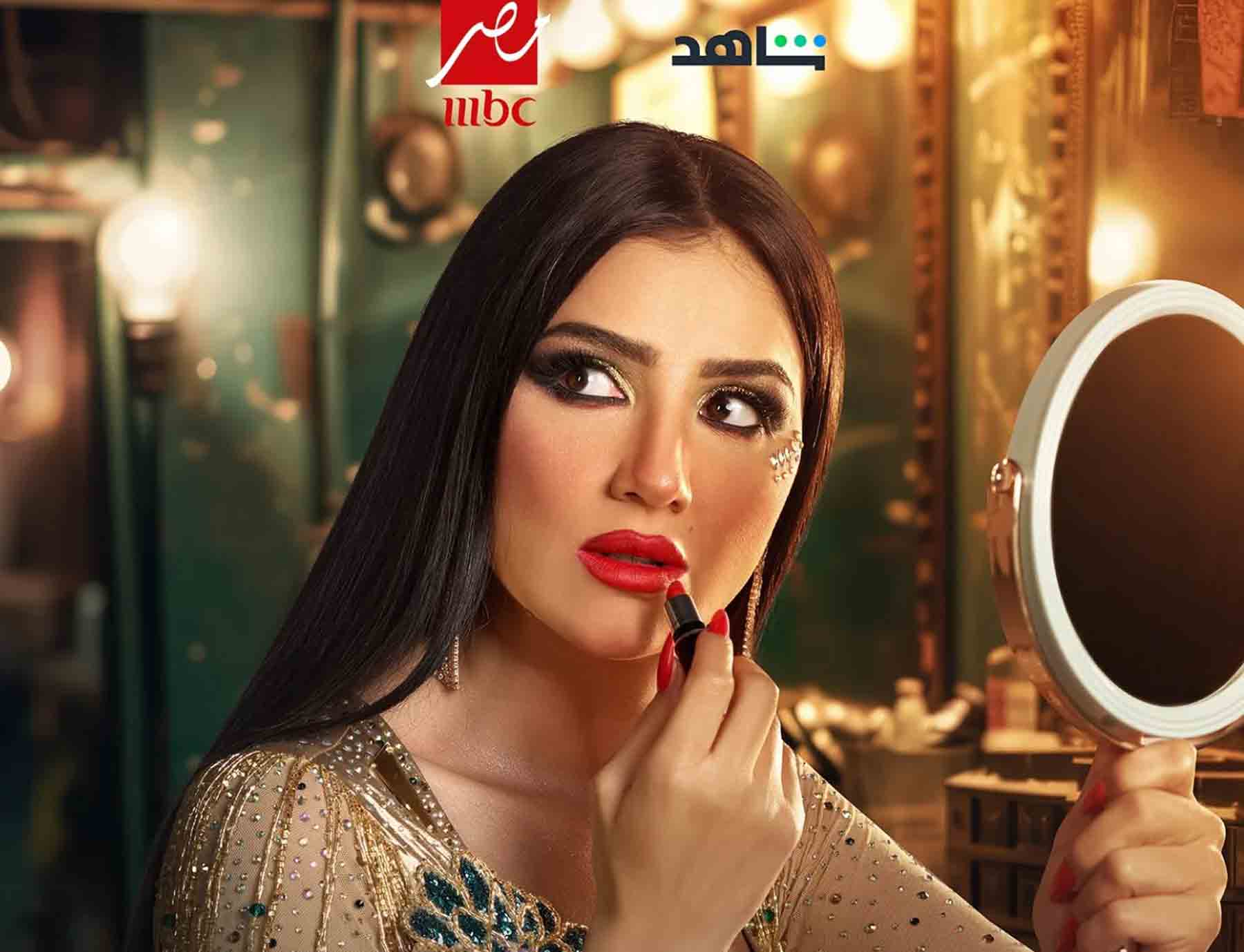
CAIRO – Egyptian actress Mai Omar has set social media alight after playfully comparing two of her most contrasting television marriages – one filled with pride and protection, the other marked by humiliation and psychological strain.
Posting on her official Facebook account, Omar shared a behind-the-scenes photograph from the 2025 hit series “Esh Esh,” showing her alongside Egyptian actor Maged El Masry, who plays the formidable yet devoted Ragab El Gretly. The image prompted a nostalgic reflection on a fictional relationship that once placed her character on a pedestal.
“Not a single day like yours, master Ragab,” she wrote, drawing a humorous but pointed comparison with the emotional hardship endured by her character in her new drama “El Sett Monalisa,” in which she stars opposite Ahmed Magdy. She followed it with another tongue-in-cheek remark: “The one in front of you was living like a queen, truly, a crowned queen.”
The contrast could not be sharper.
In “Esh Esh,” Omar portrayed a woman married to Ragab El Gretly, a powerful figure shaped by a traditional, working-class milieu governed by its own codes of honour. Though commanding and authoritative in public, Ragab was attentive and protective at home. He valued his wife’s opinion, consulted her on important matters and treated her as an essential partner rather than a subordinate.
His strength was never presented as cruelty; instead, it was framed as guardianship. He defended her openly, elevated her status before others and ensured she felt secure and respected. Even moments of disagreement were characterised by containment rather than degradation. It was this dynamic that inspired Omar’s description of her character as a “crowned queen,” a woman confident in her worth, secure in her marriage and visibly cherished.
In stark contrast, “El Sett Monalisa” offers a far bleaker portrayal of married life. Omar’s current character suffers sustained psychological oppression at the hands of her husband Hassan, played by Ahmed Magdy. Here, masculinity is depicted not as protection but as dominance.
Hassan is impulsive, emotionally distant and frequently cutting in his words. He belittles his wife, dismisses her feelings and shifts blame onto her for every failure. The relationship evolves into a battleground of emotional manipulation, eroding her confidence and leaving her visibly fragile. Where once Omar moved across the screen with calm assurance, she now appears tense, cautious, as if walking on unstable ground.
The differing portrayals offer more than entertainment; they invite reflection on how daily treatment shapes a woman’s sense of self. In “Esh Esh,” respect strengthens her. In “El Sett Monalisa,” contempt diminishes her.
The contrast also highlights Omar’s range as an actress. She transitions seamlessly from a pampered and self-assured wife to a woman struggling to preserve her dignity under emotional strain. Her facial expressions, tone and body language shift dramatically between the two roles, from steady confidence to restrained vulnerability.
At the heart of both dramas lies a deeper question about the meaning of strength. Ragab El Gretly’s character suggests that true authority lies in respect and protection. By contrast, Hassan’s behaviour reflects a distorted understanding of control, equating dominance with superiority.
Omar herself reignited the debate through her light-hearted social media post, subtly reminding audiences that television drama mirrors multiple realities of married life, some warm and affirming, others harsh and unsettling.
Fans responded enthusiastically. One follower joked, “Please wake up; you’re making me terrified of marriage,” clearly affected by the painful events unfolding in “El Sett Monalisa.” Another quipped, “That’s Ragab’s revenge. What goes around comes around,” playfully linking the two fictional worlds.
The online reactions reflect how deeply viewers have invested in the characters. The difference between the two husbands is not merely a matter of script but of character construction: one blends firmness with tenderness, the other is driven by ego and emotional detachment.
Through these roles, Egyptian drama opens a wider conversation about marital dynamics in society and the psychological impact of daily behaviour within the home. Between the image of a “crowned queen” and that of a woman trying to survive cutting words, two sharply opposed realities emerge, both recognisable to many.
Mai Omar has managed to turn a humorous comparison into a moment of cultural reflection. And between the nostalgic line “Not a single day like yours, master Ragab” and the sorrow etched across her face in her new series, it is her performance that bridges the worlds of indulgence and suffering, proving that versatility is the true measure of an enduring screen presence.