



Massad Boulos: Washington is not taking sides in the war
Berlin Sudan conference seeks aid push as officials warn of global failure
UN special envoy to Sudan Pekka Haavisto said the meeting was “an excellent opportunity” to renew calls for a ceasefire.
Wednesday 15/04/2026
Massad Boulos: Washington is not taking sides in the war
BERLIN – A high-level conference in Berlin on Sudan’s war has been described as a crucial opportunity to push for a humanitarian truce and expand aid access, as officials warned the international community has so far failed to stop the conflict entering its third year.
UN special envoy to Sudan Pekka Haavisto said the meeting was “an excellent opportunity” to renew calls for a ceasefire and allow humanitarian organisations to reach civilians trapped by fighting between the Sudanese army and the paramilitary Rapid Support Forces (RSF).
“I think today’s meeting in Berlin is an excellent opportunity, one more time, to appeal for the humanitarian truce so that humanitarians could get the aid to (the) ordinary people in Sudan, and also stopping this kind of war and using very disturbing weapons like drones in the front,” he said.
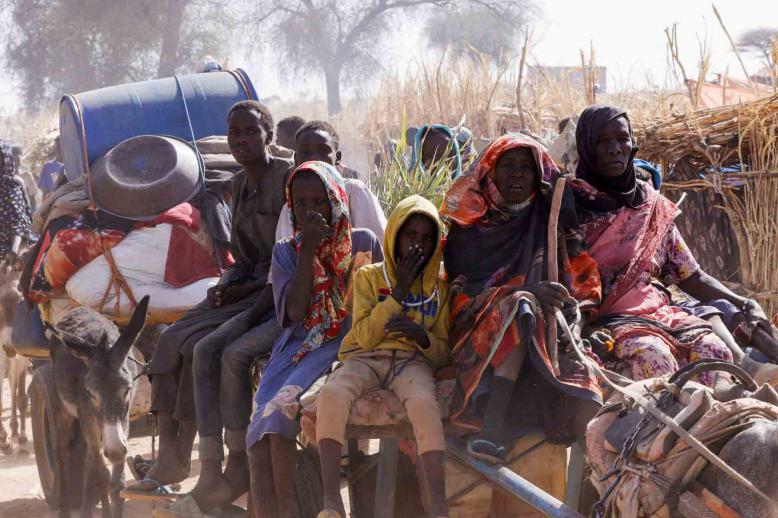
The war, which has caused widespread hunger and displaced millions of people, is now entering its third year on Wednesday, forming one of the world’s largest humanitarian crises.
German Foreign Minister Johann Wadephul said the conference was intended to keep international attention focused on Sudan despite competing global crises, including the wars in Ukraine and Iran, and what he described as reduced US engagement in humanitarian funding.
“This isn’t a quick fix,” he said. “But keeping international attention on the humanitarian situation in Sudan is a substantial contribution to bringing the war to an end.”
Wadephul said Germany was in contact with both sides in the conflict, but neither the Sudanese army nor the RSF were present at the conference, as they have not agreed to a ceasefire.
Ahead of the talks, Germany announced it would provide a further 20 million euros ($23.6 million) in aid for Sudan this year, adding to 155.4 million euros already committed.
The conference aims to mobilise more than $1 billion in international pledges to address escalating humanitarian needs, including food insecurity and mass displacement.
UK Foreign Minister Yvette Cooper said the gathering highlighted the scale of international failure in responding to the crisis and called for coordinated global pressure to halt arms flows into Sudan.
“Countries from across the world are coming together here in Berlin to discuss the way, frankly, the international community has failed the people of Sudan,” she said.
“We need to ensure that every possible pressure is put on those warring parties to reach the urgent ceasefire that we desperately need to see,” she added, stressing the need for sustained humanitarian assistance.
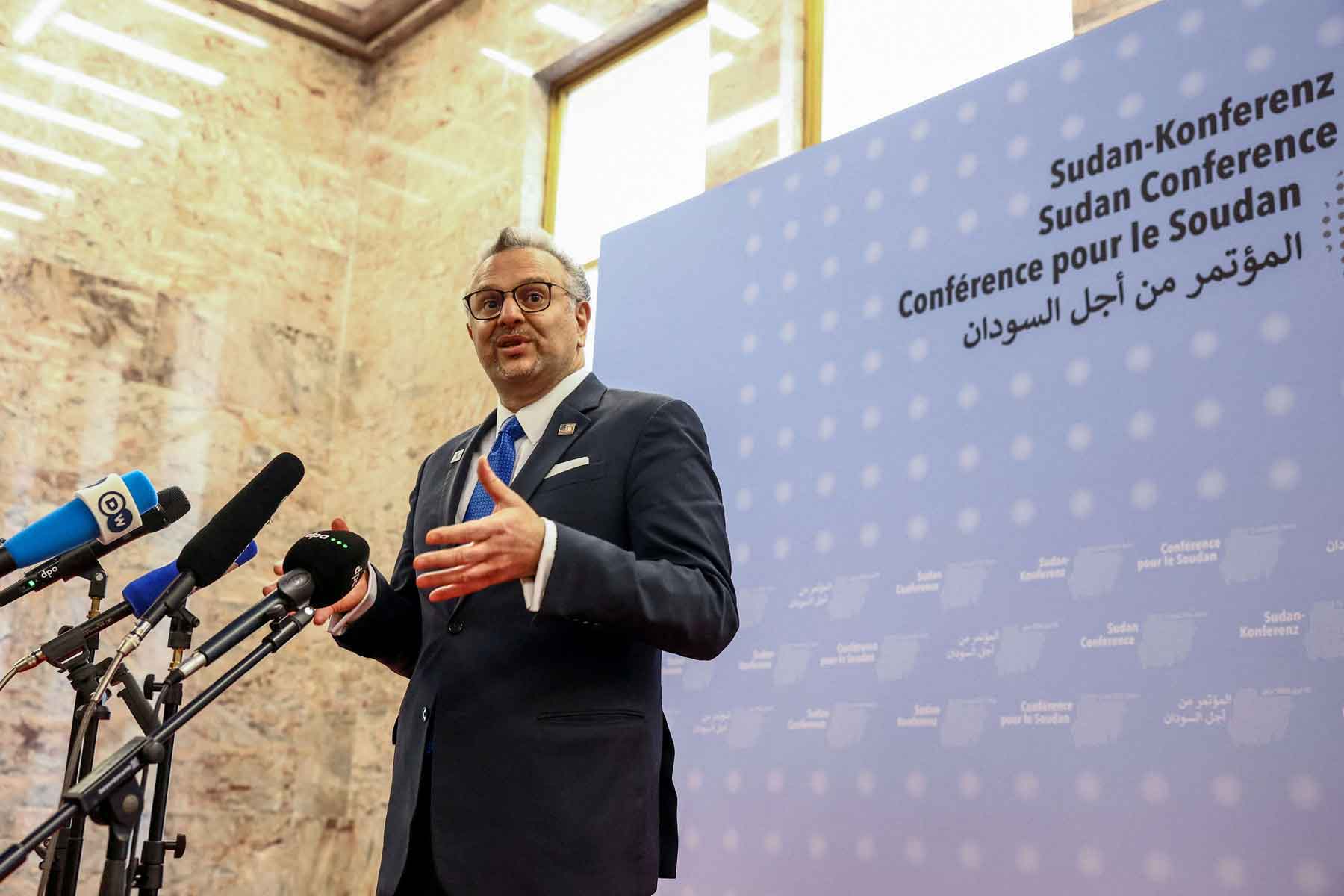
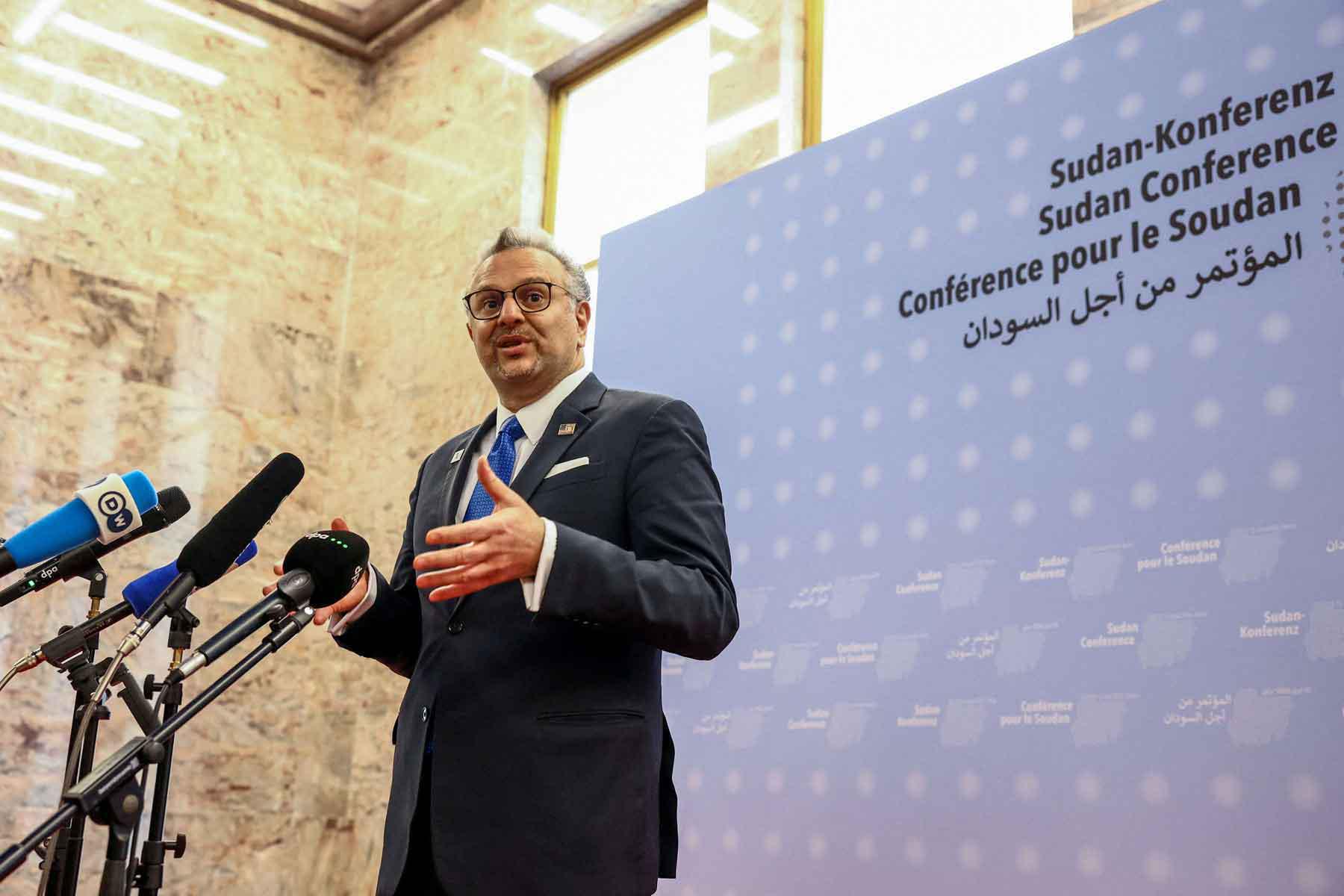
US senior adviser for African affairs Massad Boulos said Washington was not taking sides in the war and was focused on supporting a United Nations-led mechanism to end the conflict.
“The US wants to secure a humanitarian truce that allows aid to reach people,” he said on the sidelines of the conference, which is designed to secure major funding commitments for relief operations.
The Sudanese conflict, which pits the national army against the RSF, has created what aid agencies describe as one of the world’s most severe humanitarian emergencies, with widespread famine risks and large-scale population displacement.
Germany’s development ministry said the conference is also intended to sustain political attention on Sudan amid growing global crises elsewhere.
Wadephul said maintaining focus was not only a moral responsibility but also in Germany’s national interest, warning that continued instability could contribute to increased migration pressures.
The Sudanese government criticised the conference ahead of its opening, calling it a “surprising and unacceptable” interference in its internal affairs and warning that engagement with paramilitary groups undermines state sovereignty.
Despite diplomatic divisions, organisers say the Berlin meeting is aimed at reinforcing humanitarian coordination and increasing pressure for a ceasefire, even as fighting continues on the ground with the use of increasingly advanced weaponry, including drones, as described by UN officials.