



Another Ramadan under the shadow of war
Sudan’s army chief rules out ceasefire without RSF pullback
“There will be no truce with the rebel militias while they occupy cities and regions and commit violations against citizens,” Burhan said.
Friday 20/02/2026
Another Ramadan under the shadow of war
KHARTOUM – The head of Sudan’s Sovereignty Council Abdel Fattah al-Burhan ruled out a ceasefire during the upcoming holy month of Ramadan unless the paramilitary Rapid Support Forces (RSF) withdraw from areas under their control and regroup in designated locations? a condition he insisted must be met before any halt in hostilities.
Speaking at a public rally in Omdurman, west of the capital Khartoum, Burhan responded to calls from a broad coalition of Sudanese political and civil forces urging a comprehensive humanitarian truce during Ramadan. The initiative seeks a temporary suspension of fighting to protect civilians and allow unimpeded humanitarian access.
“There will be no truce with the rebel militias while they occupy cities and regions and commit violations against citizens,” Burhan said, defending his government’s continued military campaign despite its devastating humanitarian consequences. He added that Sudan would not accept “any ceasefire” unless the RSF first withdrew from the territories they occupy and assembled in specified areas. Any agreement that did not include such conditions, he suggested, would be rejected by the Sudanese public.
Referring to the youth-led uprising that toppled former president Omar al-Bashir in December 2019, Burhan said those who “brought about change” were “capable of uprooting the militias,” in reference to the RSF, in order to restore security and stability to the country.
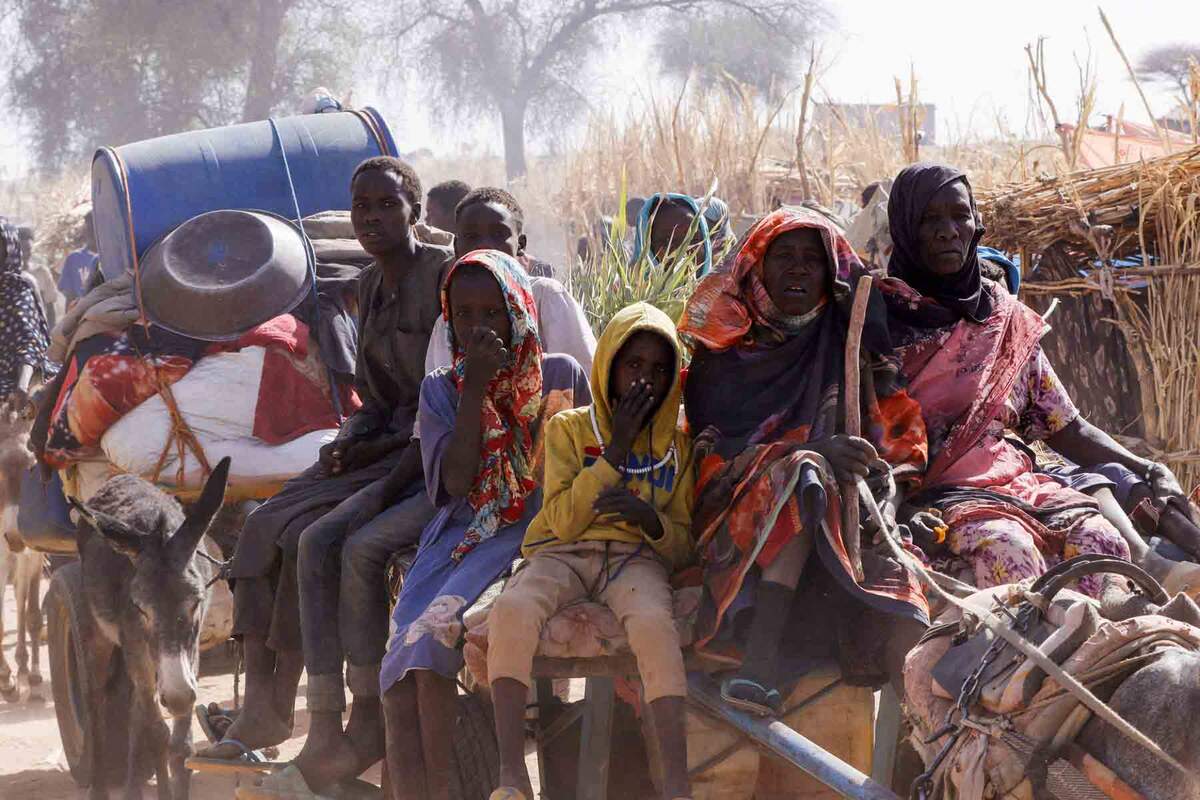
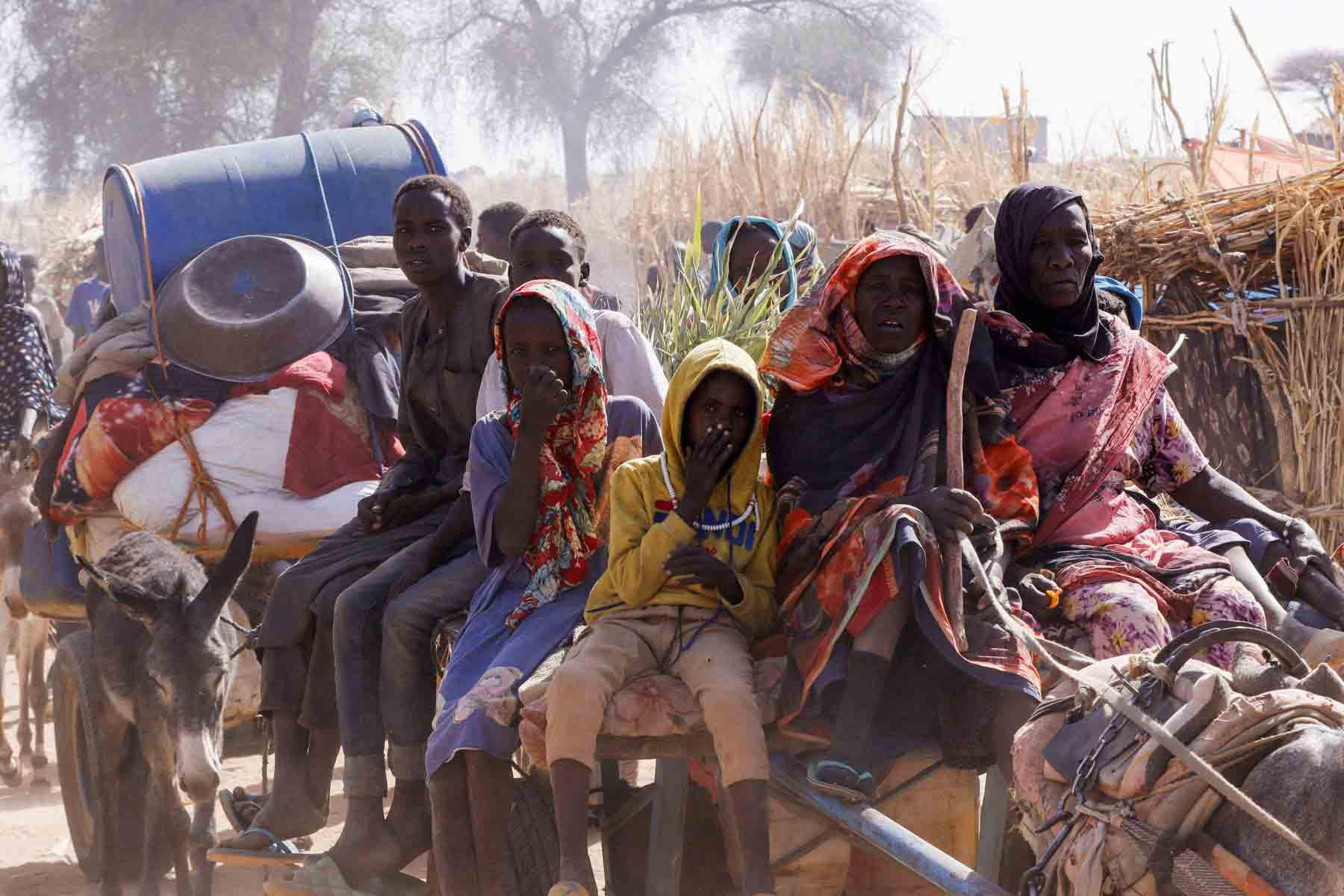
Sudan has been gripped by conflict since April 2023, when fighting erupted between the Sudanese Armed Forces and the RSF over disagreements concerning the paramilitary force’s integration into the regular army. The war has since spiralled into one of the world’s gravest humanitarian crises, triggering famine in parts of the country, killing tens of thousands of people and displacing an estimated 13 million, according to international agencies.
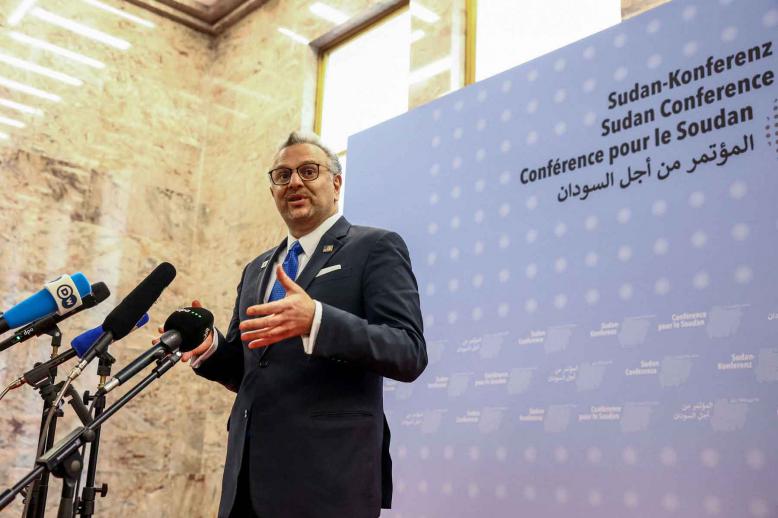
As the conflict drags on, international concern has intensified. In Washington, a senior adviser to US President Donald Trump sharply criticised both sides, warning that there is no military solution to the war. Addressing a ministerial-level briefing of the UN Security Council chaired by UK Foreign Secretary Yvette Cooper, Massad Boulos, Trump’s senior adviser on African, Arab and Middle Eastern affairs, described Sudan’s crisis as “the biggest and gravest humanitarian catastrophe in the world.”
“After more than 1,000 days of needless conflict between the Sudanese Armed Forces and the Rapid Support Forces, the toll is staggering,” Boulos said. “In the eyes of the US, there are no good actors in this conflict,” he added, accusing both factions of committing “serious human rights violations and abuses.”
Boulos also stressed that resolving Sudan’s nearly three-year war was a “deeply felt concern” of President Trump and said the United States was helping to spearhead international efforts to secure peace.
“Let me be clear: Efforts by Islamist networks or any extremist political movement to manipulate this conflict, derail a civilian transition or reassert authoritarian control will not be tolerated by the US,” he said, warning that Washington would deploy “sanctions and other measures” against individuals who enable violence, undermine democratic governance or threaten regional stability.
The US has already announced fresh sanctions against RSF commanders over alleged human rights violations, including ethnic killings, torture, starvation tactics and sexual violence, with those targeted now subject to asset freezes, arms embargoes and travel bans.
The United States, he added, is working closely with international partners, including the United Kingdom, Egypt, Saudi Arabia and the United Arab Emirates, to press for an immediate humanitarian truce “without preconditions.” Such a truce must guarantee sustained and unhindered humanitarian access across conflict lines and borders.
Discussions at the Security Council underscored broad international agreement that the conflict cannot be resolved militarily and that an immediate cessation of hostilities is essential.
Participants called for an urgent humanitarian pause to enable sustained aid deliveries and civilian protection, paving the way for a permanent ceasefire supported by credible security arrangements. They also emphasised the need for a structured political process leading to a civilian-led transitional government, democratic elections and a long-term recovery and reconstruction programme capable of restoring stability and opening new prospects for the Sudanese people.
For months, the United States and Saudi Arabia, alongside Egypt and the United Arab Emirates under a so-called international quartet, have been leading diplomatic efforts to secure a humanitarian truce in Sudan.
In September 2025, the quartet proposed a three-month humanitarian ceasefire as a prelude to a permanent end to the war, followed by a nine-month transitional process culminating in the formation of an independent civilian government.
As Sudan approaches yet another Ramadan under the shadow of war, the gulf between conditional military demands on the ground and mounting international pressure for an unconditional humanitarian truce appears as wide as ever.