


An approach framed around diplomacy and humanitarian engagement
Diplomatic flurry targets Sudan stalemate but doubts persist
The synchronised diplomatic push comes at a time when the Sudan file has slipped down the international agenda, overshadowed by the fallout from the Iran war.
Wednesday 22/04/2026
An approach framed around diplomacy and humanitarian engagement
RIYADH/CAIRO – A flurry of high-level diplomacy involving Saudi Arabia, Egypt and the United States has raised cautious hopes of renewed momentum on Sudan, even as deep scepticism persists over whether entrenched dynamics on the ground can be shifted.
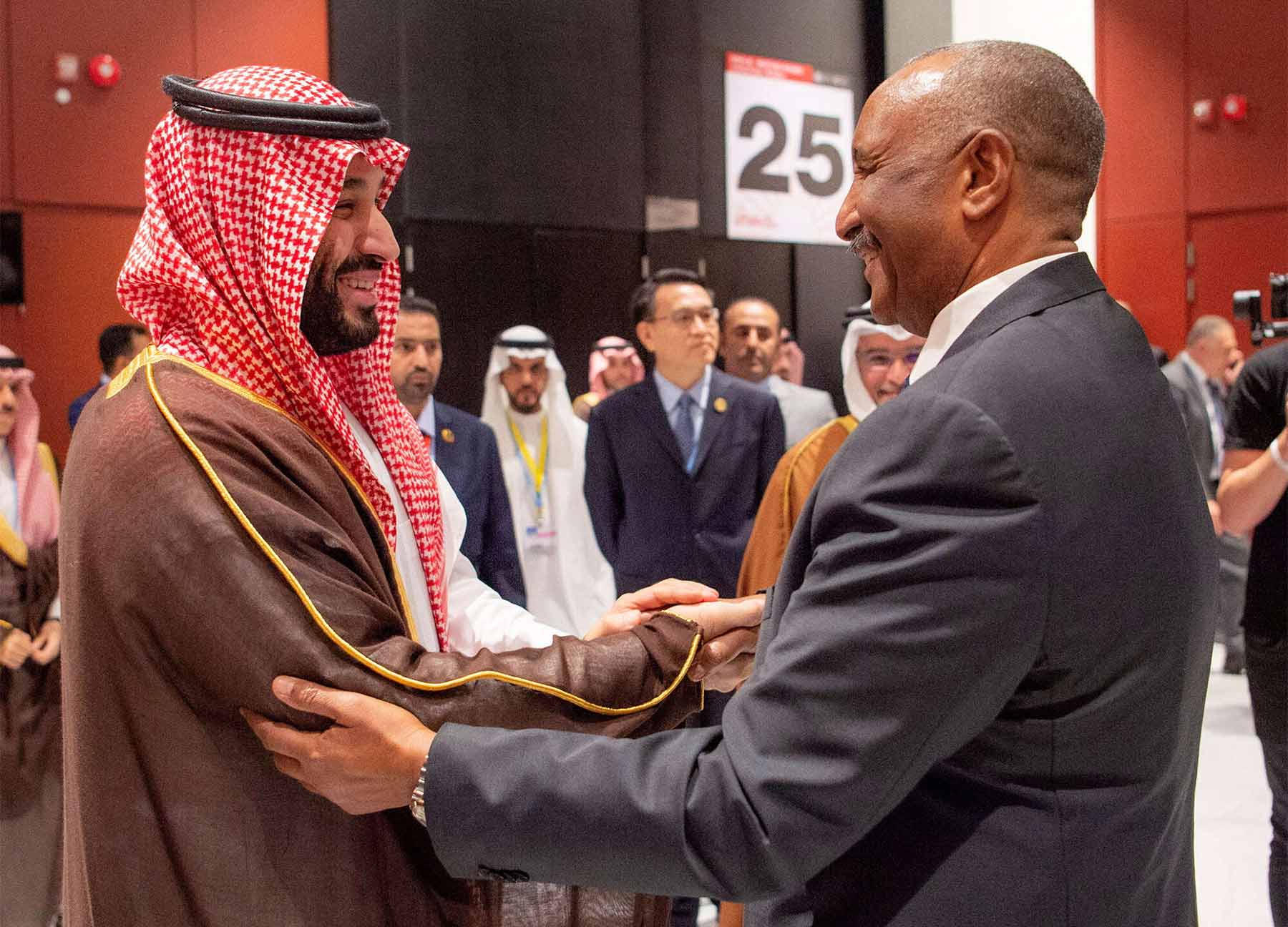
Sudan’s army chief Abdel Fattah al-Burhan met Saudi Crown Prince Mohammed bin Salman in Jeddah on Monday, in parallel with talks in Cairo between Egyptian President Abdel Fattah al-Sisi and US envoy Massad Boulos, in what analysts see as a coordinated attempt to revive a stalled political track.
The meeting in Saudi Arabia focused on “the latest developments in Sudan” and stressed “the importance of ensuring Sudan's security and stability” as well as “preserving its sovereignty, unity and territorial integrity,” according to the Saudi Press Agency.
The synchronised diplomatic push comes at a time when the Sudan file has slipped down the international agenda, overshadowed by the fallout from the Iran war and broader regional tensions. Observers say the renewed activity reflects concern in Riyadh, Cairo and Washington that prolonged inaction risks cementing a destructive status quo.
Yet expectations for a breakthrough remain limited. Structural obstacles that have repeatedly derailed past initiatives, including divisions within Sudan’s military camp and competing regional interests, remain firmly in place.
Arms deal pause signals recalibration
The Jeddah meeting coincided with reports that Saudi Arabia stepped in to halt a $1.5 billion arms deal between Pakistan and Sudan, after declining to finance it. The move is widely interpreted as part of Riyadh’s effort to avoid deeper entanglement in proxy conflicts, while maintaining political backing for the Sudanese Armed Forces.
Saudi Arabia has consistently framed its approach around diplomacy and humanitarian engagement, even as it has shown a degree of alignment with the army in its public positions.
The kingdom’s role as a mediator dates back to the 2023 Jeddah Declaration, a ceasefire initiative that ultimately collapsed.
Riyadh is also preparing to host a Sudanese-Saudi investment forum in June, aimed at rebuilding economic ties and addressing barriers to investment, particularly in the banking sector, an indication that economic stabilisation is being considered alongside political efforts.
Cairo talks revive US role
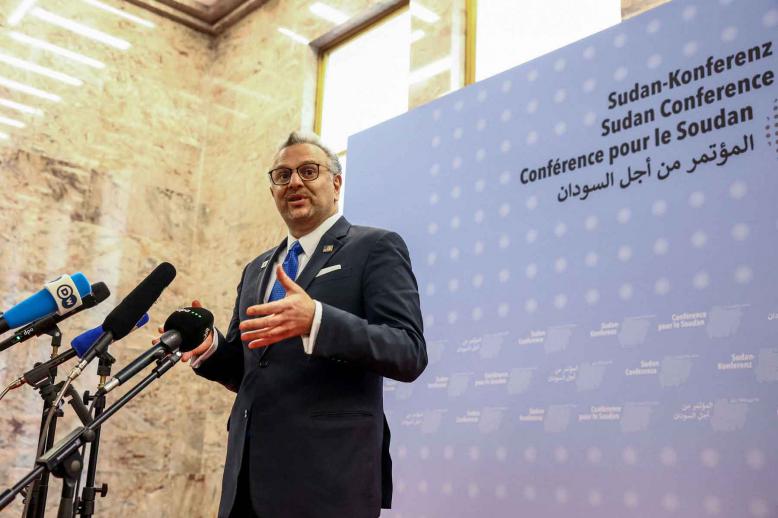
In Cairo, talks between Sisi and Boulos underscored a parallel track of US engagement. The discussions focused heavily on the Sudan conflict, with both sides stressing “the need to exert all necessary efforts to end the war and alleviate the humanitarian suffering of the Sudanese people.”
Sisi reiterated Egypt’s position, calling for safeguarding Sudan’s sovereignty and rejecting “external interference” or attempts to destabilise the country. He also pointed to recent international pledges of humanitarian aid as part of a broader effort to stabilise conditions on the ground.
For Washington, the renewed engagement reflects recognition of Cairo’s influence over Sudan’s military establishment, and an attempt to “engineer” a pathway out of the conflict in coordination with key regional actors.
War entrenched, politics paralysed
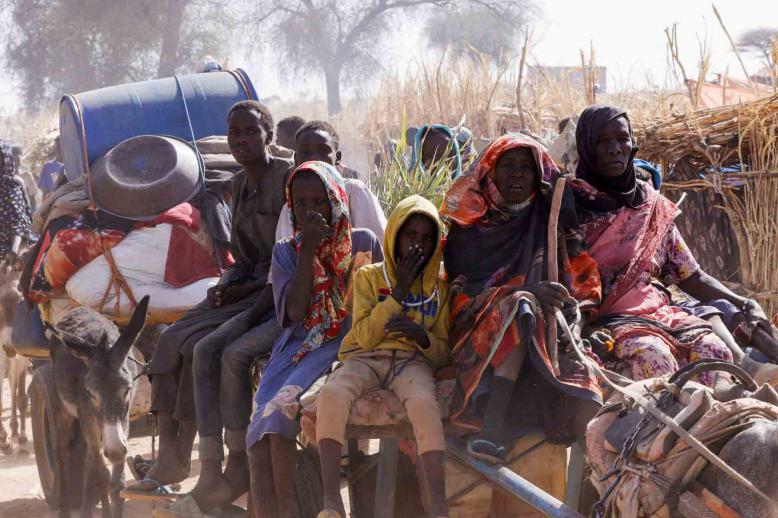
Sudan has been locked in a brutal war since April 2023, when tensions between the army and the paramilitary Rapid Support Forces (RSF) erupted into open conflict. The fighting, now entering its fourth year, has devastated the country and triggered one of the world’s worst humanitarian crises.
Despite multiple mediation efforts, including initiatives led by Saudi Arabia and the United States, progress has been repeatedly undermined by a lack of political will among key actors, particularly within the army’s broader alliance of factions.
Analysts say the latest diplomatic activity may be aimed at testing whether the military leadership is ready to make meaningful concessions, after a prolonged period in which it has appeared to prioritise a military outcome over a negotiated settlement.