



A major blow to the Polisario
Bolivia suspends recognition of Polisario in boost for Morocco
Following the announcement, Morocco and Bolivia agreed to restore full diplomatic relations, with plans to establish embassies in Rabat and La Paz.
Tuesday 24/02/2026
A major blow to the Polisario
RABAT – Bolivia has officially suspended recognition of the self-styled Sahrawi Arab Democratic Republic (SADR), marking a major diplomatic setback for the Polisario Front and reinforcing international support for Morocco’s autonomy plan in Western Sahara.
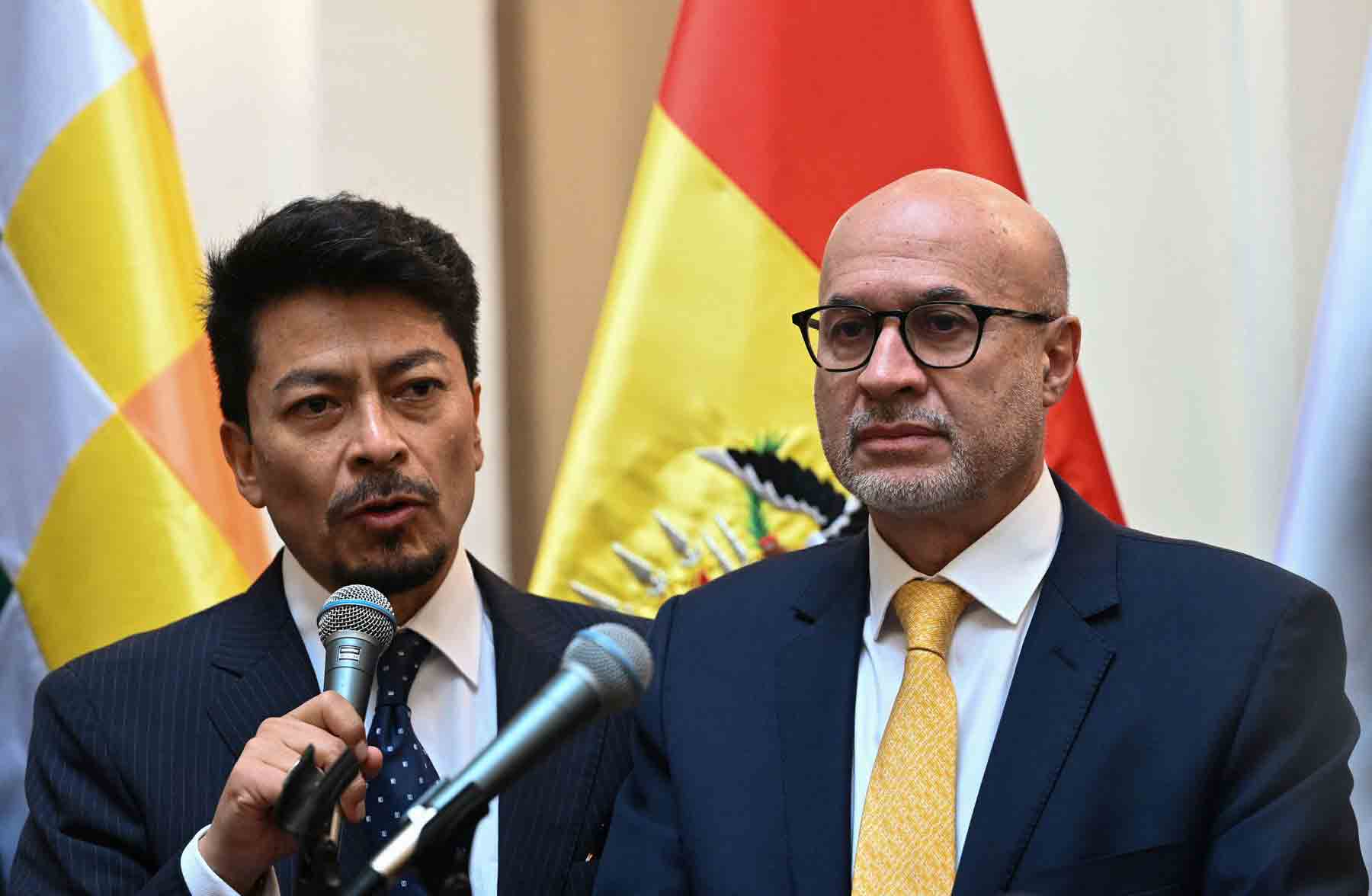
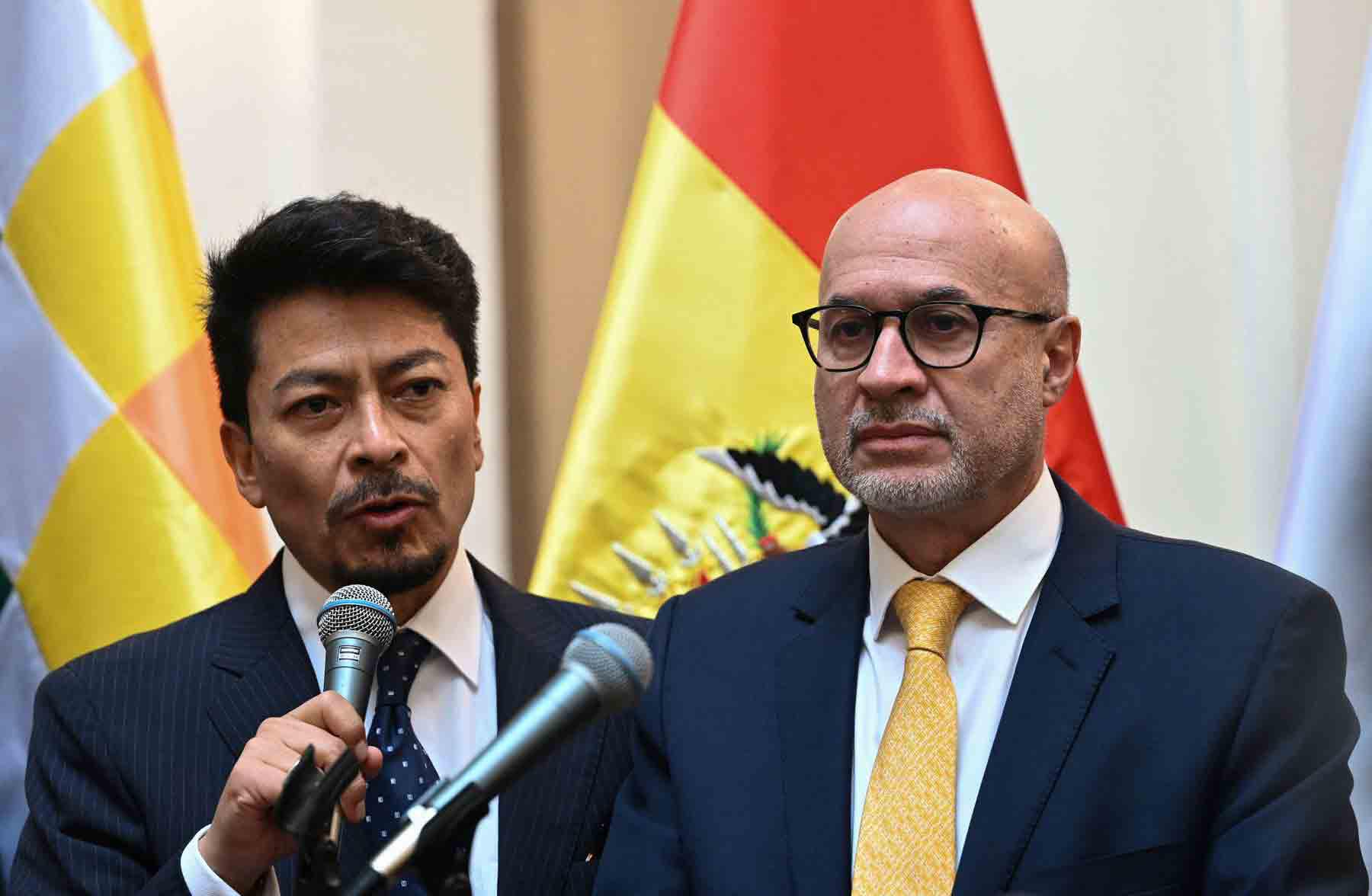
The decision followed a phone call on Monday between Morocco’s Foreign Minister Nasser Bourita and his Bolivian counterpart Fernando Aramayo, underscoring Morocco’s growing diplomatic influence in Latin America. According to a statement from Rabat, Bolivia will end all official contacts with the SADR and affirmed that it does not recognise the entity as a UN member state.
The Bolivian government framed the move as a constructive contribution to ongoing international efforts aimed at reaching a practical, durable and consensual political settlement of the Western Sahara dispute under UN guidance, in line with Security Council Resolution 2797 (2025).
Following the announcement, Morocco and Bolivia agreed to restore full diplomatic relations, with plans to establish embassies in Rabat and La Paz. They also committed to a structured bilateral roadmap designed to expand political dialogue, promote trade and investment, and strengthen cooperation in sectors such as agriculture, food security, fertilizers, security, and technical expertise.
Diplomatic analysts say Bolivia’s withdrawal of recognition signals a broader shift in international alignment, as countries increasingly abandon support for the Algeria-backed Polisario Front in favour of Morocco’s Autonomy Plan.
To date, more than 20 nations have opened consulates in the southern Moroccan cities of Laayoune and Dakhla, while over 110 UN member states have expressed support for the Moroccan initiative as a credible and pragmatic solution to the long-standing territorial dispute.
The Bolivian move comes amid a growing European and US-led push to resolve the conflict. The European Union recently reaffirmed the legal solidity of its partnership agreements with Morocco, explicitly acknowledging that economic or trade accords do not substitute for the UN-led political process.
Sweden, in line with broader EU support, announced it views Morocco’s autonomy plan as a serious framework for negotiation, signalling a clear repositioning of Stockholm’s stance after previously considering recognition of the Polisario entity.
Observers note that Bolivia’s decision represents a major diplomatic breakthrough for Rabat in South America, a region where Algeria had previously relied on left-leaning governments to bolster Polisario support. This development strengthens Morocco’s international position and reinforces the UN-backed political process as the primary avenue for resolving the Western Sahara issue.