


A broader shift in relations
Canary Islands back Morocco’s autonomy plan for Western Sahara
Fernando Clavijo said his administration “fully” adheres to Spain’s official foreign policy.
Wednesday 29/04/2026
A broader shift in relations
RABAT – The head of Spain’s Canary Islands government has reaffirmed support for Madrid’s position backing Morocco’s autonomy plan for Western Sahara, underscoring a growing political alignment between Rabat and Spanish authorities on one of the region’s most sensitive disputes.
Fernando Clavijo said his administration “fully” adheres to Spain’s official foreign policy, which considers autonomy under Moroccan sovereignty as “the most serious, realistic and credible basis” for resolving the conflict.
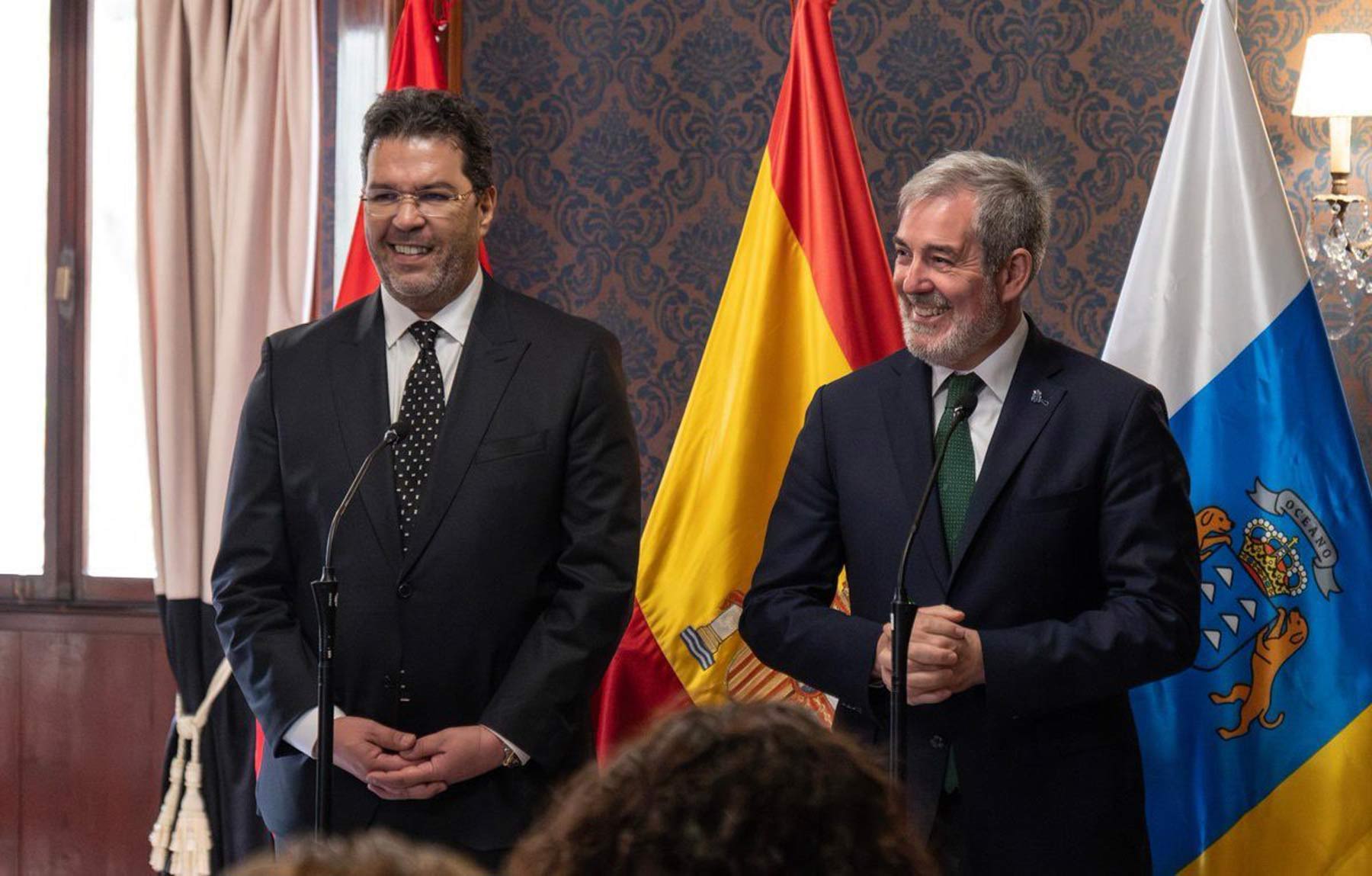
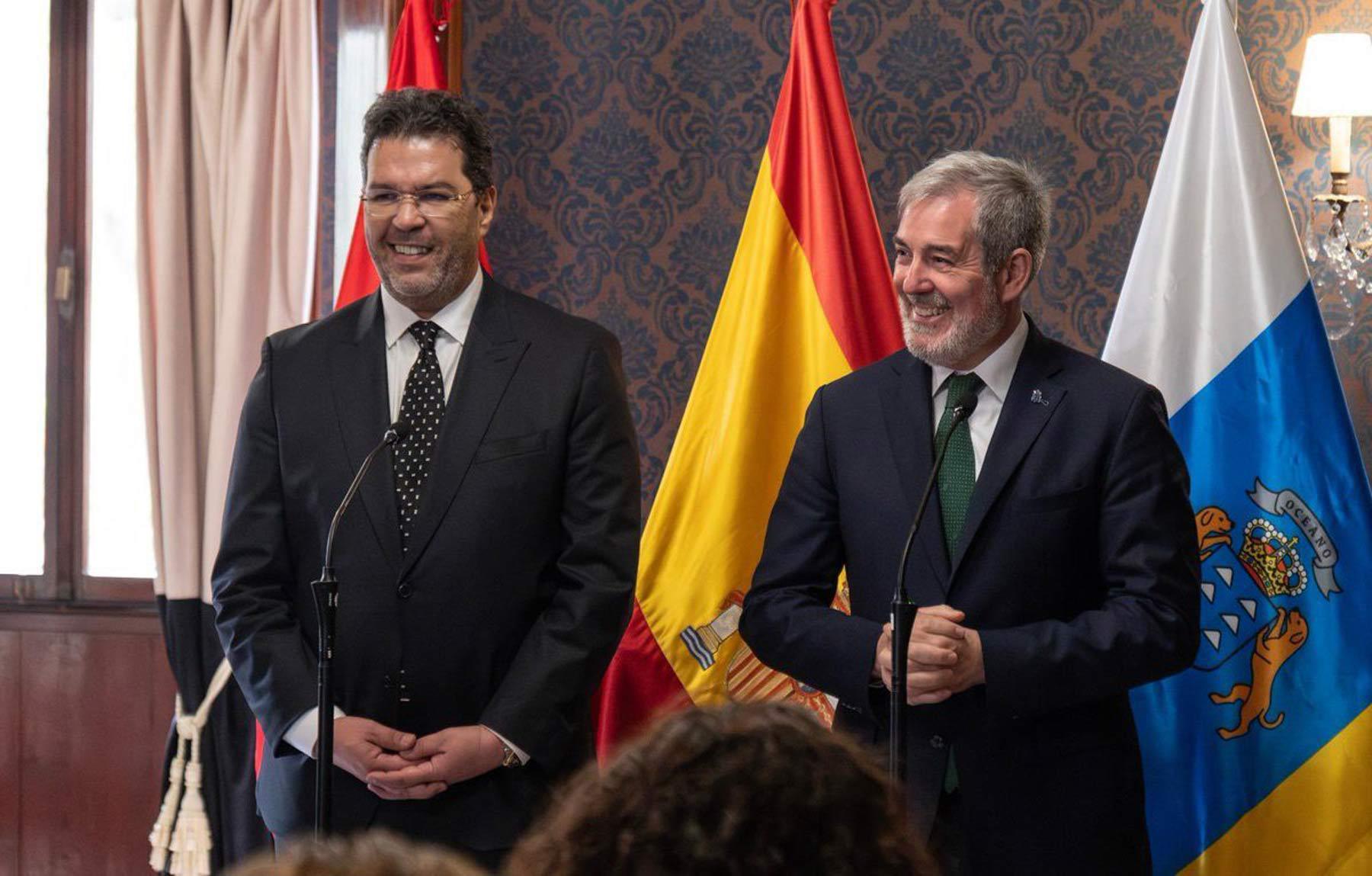
Speaking in Las Palmas de Gran Canaria alongside visiting President of the Souss-Massa Regional Council Karim Achengli, Clavijo stressed that the Canary Islands, as part of Spain, are bound by decisions taken by the central government in Madrid.
“We are part of Spain, and of course we are fully committed to what our government decides,” he said, adding that his administration shares and respects the position adopted following high-level talks between the two countries and in line with recent United Nations resolutions.
Spain shifted its stance on the Western Sahara dispute in 2022, backing Morocco’s autonomy initiative as the most viable solution, marking a major diplomatic turning point in relations with Rabat.
Clavijo’s remarks come during a visit by a Souss-Massa delegation of more than 80 representatives from institutional, economic and academic sectors, reflecting a broader push to deepen cross-border cooperation.
The two sides discussed expanding ties in key areas including the blue economy, tourism, academic exchanges and water management, building on a series of trade missions organised since 2023 aimed at boosting economic links.
Clavijo highlighted the strategic role of the Canary Islands as a platform connecting Spain and Europe with northwest Africa, pointing to growing opportunities for investment and joint development projects.
Achengli, for his part, welcomed Spain’s “constructive and consistent” stance, referencing a joint declaration issued on April 7, 2022 between Mohammed VI and Spain’s prime minister, which endorsed UN-led efforts to reach a political solution based on Morocco’s autonomy proposal.
The visit also builds on a previous Canary Islands delegation trip to Agadir earlier this year, as both sides seek to translate political alignment into tangible economic partnerships.
Clavijo said cooperation has expanded beyond trade to include education, research and maritime activities, while both parties pointed to the potential of co-hosting the 2030 World Cup as an additional driver of collaboration and knowledge exchange.
The deepening ties come against the backdrop of intensified migration pressures on the Canary Islands, with Morocco playing a key role in intercepting boats carrying irregular migrants bound for the Spanish archipelago, many departing from West African coasts.
The growing coordination highlights a broader shift in Moroccan-Spanish relations, where cooperation is increasingly extending from economic engagement to strategic political alignment, particularly on the Western Sahara issue.