



Widening consensus
UK reaffirms support for Morocco’s Autonomy Plan in Sahara dispute
Falconer stressed that the UK’s stance was rooted in pragmatism and a desire for long-term stability.
Tuesday 07/04/2026
Widening consensus
RABAT – The United Kingdom has reiterated its support for Morocco’s autonomy initiative as the most realistic route towards resolving the decades-long dispute over Western Sahara, signalling continued alignment with Rabat’s position amid shifting international dynamics.
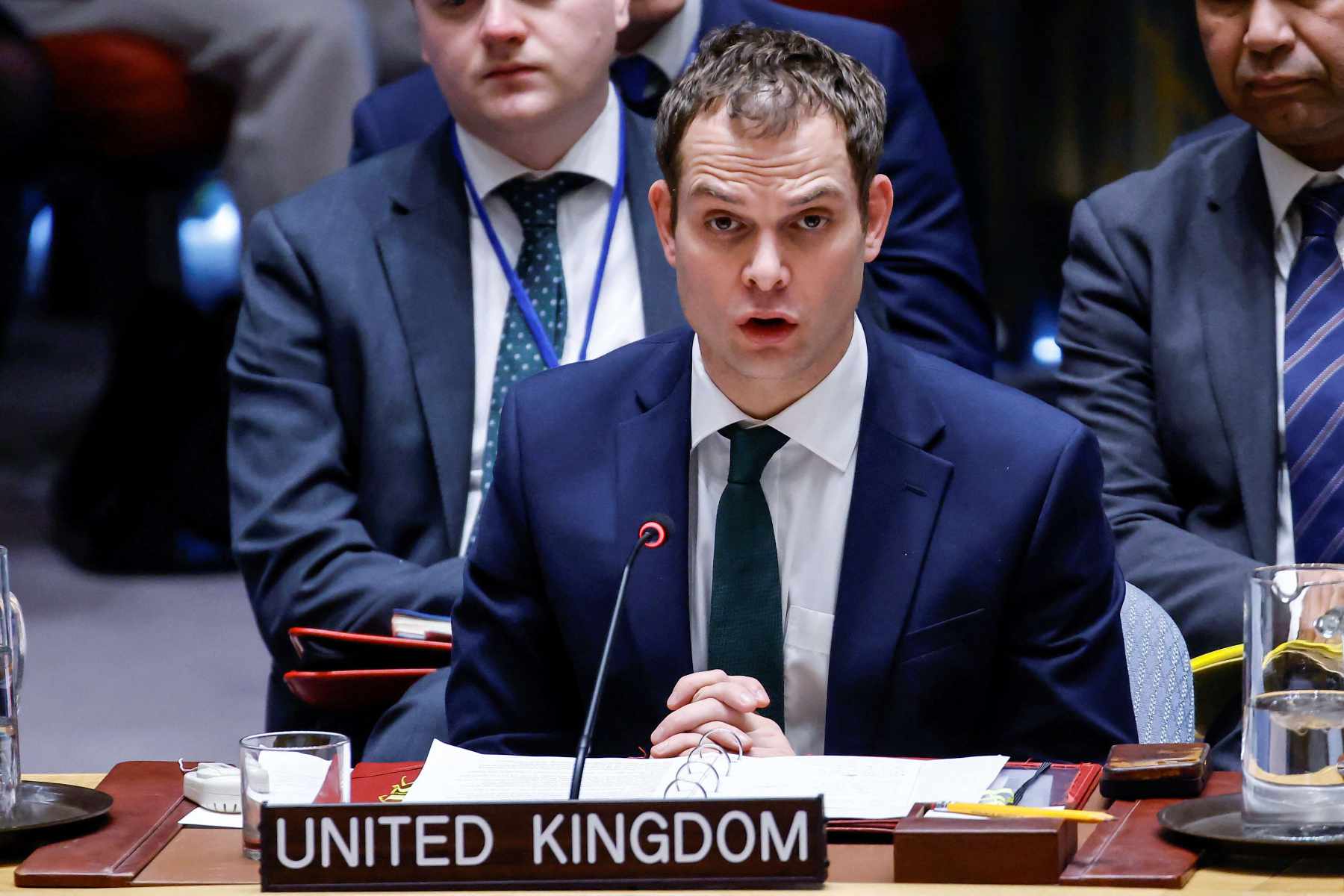
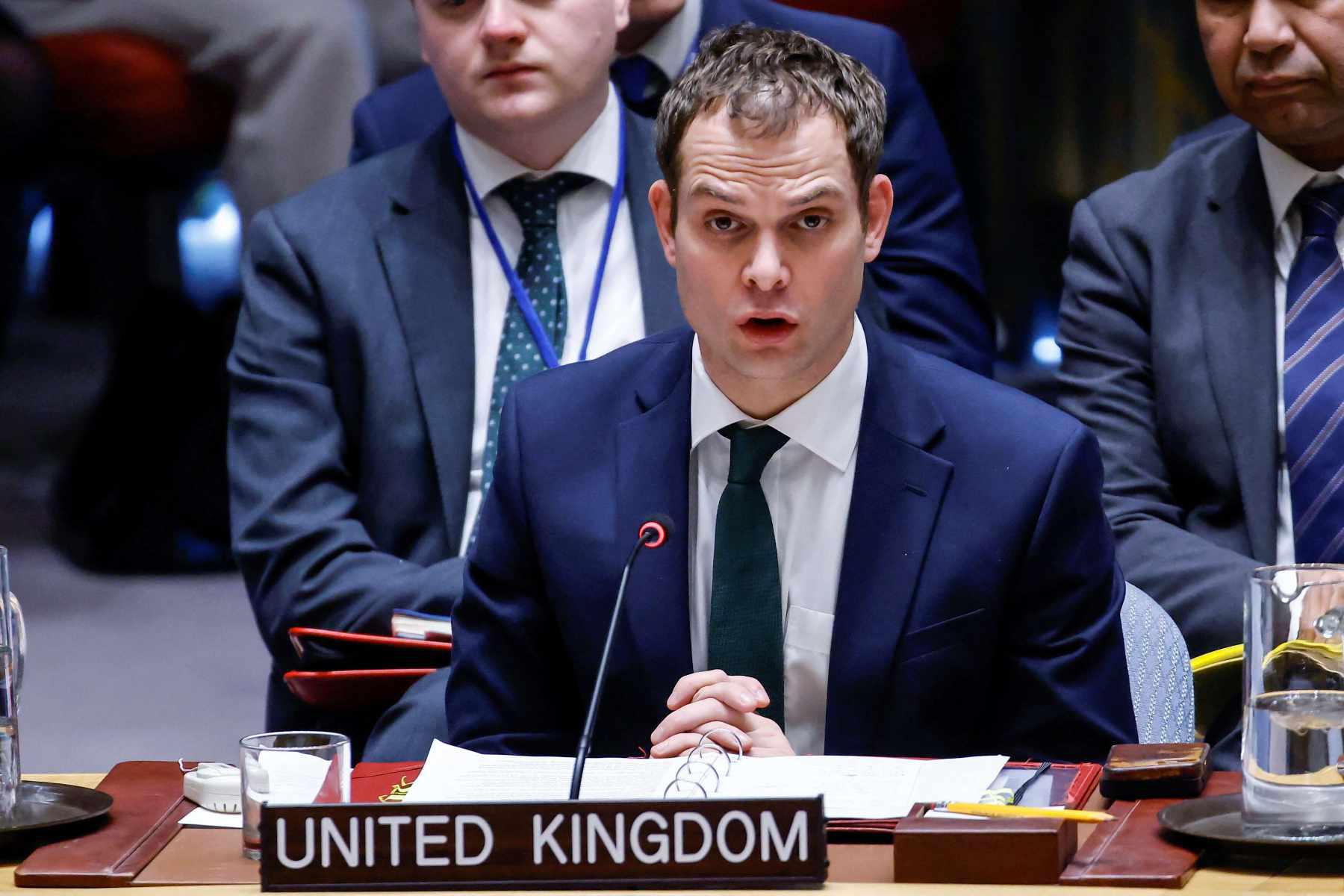
Speaking in the House of Commons on Thursday, Britain’s Minister for the Middle East and North Africa Hamish Falconer said London remained committed to securing a sustainable political solution and viewed Morocco’s proposal as the most workable framework currently on the table.
Falconer stressed that the UK’s stance was rooted in pragmatism and a desire for long-term stability.
“We believe that our support for Morocco’s autonomy plan as the most credible, viable, and pragmatic basis for a lasting solution goes in this direction,” he told lawmakers.
His remarks underscore a growing trend among Western and regional powers that see the Moroccan plan as the clearest pathway to ending a conflict that has persisted for more than half a century.
Originally unveiled by Rabat in 2007, the autonomy proposal offers Western Sahara a high degree of self-governance under Moroccan sovereignty. While it stops short of full independence, a key demand of the Polisario Front, it has increasingly been framed by its supporters as a compromise capable of breaking years of diplomatic deadlock.
Falconer also welcomed recent efforts at the United Nations to reinvigorate the political process, highlighting Security Council Resolution 2797 as an important step forward.
Adopted in October 2025, the resolution extended the mandate of the UN’s peacekeeping mission, MINURSO, until October 2026, while placing renewed emphasis on Morocco’s autonomy plan as a foundation for negotiations.
The measure passed with strong backing, including from the UK, the United States and several European and African countries. It faced no opposition, though China, Russia and Pakistan abstained, and Algeria did not take part in the vote.
Washington, which sponsored the resolution, has consistently argued that any viable settlement must be built around Morocco’s proposal. This position has been echoed by the Gulf Cooperation Council, which has repeatedly voiced support for Morocco’s territorial integrity and endorsed the UN framework.
Across Europe, several countries have also recalibrated their approach in line with the resolution, reflecting a broader shift towards endorsing what many diplomats describe as a “realistic” solution.
The growing international momentum behind Rabat’s plan has, in turn, eroded the diplomatic leverage of the Polisario Front and its main backer, Algeria, whose push for a referendum on independence has struggled to gain renewed traction.
As geopolitical priorities evolve and pressure mounts for conflict resolution, the UK’s latest endorsement adds to a widening consensus that the autonomy proposal may represent the most viable path to a durable settlement in Western Sahara.