



Global momentum
Forty nations reaffirm support for Morocco’s Sahara sovereignty
Diplomatic openings, combined with Resolution 2797, mark a turning point for Morocco’s Sahara policy, effectively cementing international recognition of the autonomy plan.
Tuesday 03/03/2026
Global momentum
RABAT – In a major diplomatic reaffirmation, a coalition of 40 countries has renewed its unequivocal support for Morocco’s full sovereignty over its southern provinces in Western Sahara. The announcement was made on Monday in Geneva, signalling a significant boost to Morocco’s international standing and reflecting a growing consensus in favour of the Moroccan autonomy plan as the most viable solution to the decades-long dispute.
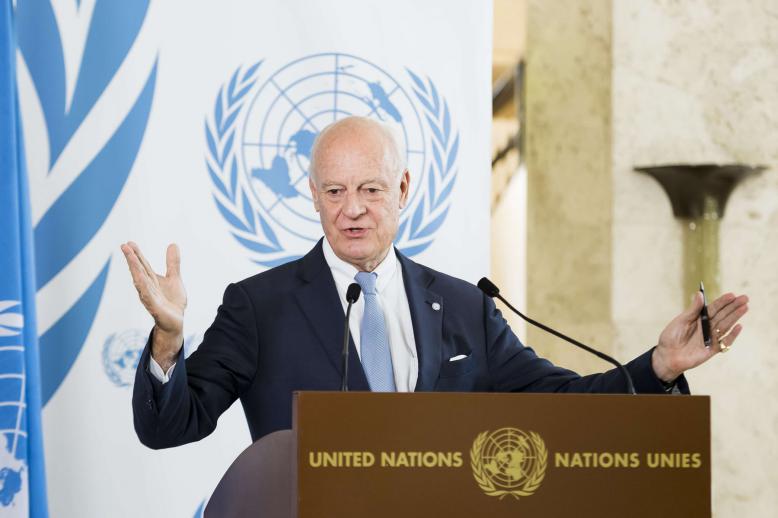
The statement was delivered by Omar Zniber, Morocco’s permanent representative to the United Nations in Geneva, who stressed that the dispute is a political matter to be addressed under the framework of the UN Security Council. He highlighted that “genuine autonomy under Moroccan sovereignty represents the most implementable and realistic solution,” underscoring the international community’s alignment with Morocco’s position.
The group of nations also reiterated its support for UN Security Council Resolution 2797, which calls for the relaunch of the political process through negotiations involving the four parties explicitly referenced in the resolution: Morocco, Algeria, Mauritania, and the Polisario Front. The goal, the statement said, is to achieve a final, mutually accepted political settlement to the dispute.
This collective backing reflects the success of Morocco’s calm but assertive diplomacy, which has shifted the Sahara issue from a prolonged conflict to a focus on development and nation-building under Moroccan administration. It also sends a clear message against politicising human rights discussions in Geneva as a tool to advance alternative agendas, particularly those that could undermine Moroccan sovereignty.
In parallel, Morocco has been advancing strategic partnerships beyond the Sahara issue. On Monday, Foreign Minister Nasser Bourita and his Belgian counterpart Maxime Prevot established a broad-based strategic partnership covering not only traditional areas such as trade and migration but also security and geopolitical coordination. The pact includes measures to safeguard the Moroccan diaspora in Belgium against ideological extremism, reinforce their connection to Moroccan cultural values, and strengthen joint security initiatives.
Bourita also linked Morocco’s national stability to the security of the Gulf, expressing solidarity with Oman and other Gulf states against Iranian aggression. “The security of these countries is inseparable from the security of Morocco,” he said, highlighting the kingdom’s role as a reliable strategic partner on the international stage.
The partnership extends to Africa, where Morocco positions itself as a gateway for European engagement on the continent. Coordination with Belgium, which holds historical influence in Central Africa, aims to create a shared security and development model that addresses migration and terrorism challenges, while boosting Morocco’s leadership in African continental development.
The statement also welcomed the opening of more than 30 consulates in Dakhla and Laayoune, a move that reinforces economic cooperation, investment, and regional development under Moroccan sovereignty. Observers say these diplomatic openings, combined with Resolution 2797, mark a turning point for Morocco’s Sahara policy, effectively cementing international recognition of the autonomy plan as the credible, practical solution to the dispute.
Morocco’s diplomatic achievements come amid talks facilitated by the US in Madrid and Washington, bringing together representatives from Algeria, Morocco, Mauritania and the Polisario Front. While Algeria has continued to play a contentious role, Resolution 2797 has clarified the UN’s stance and firmly positioned Morocco as the central actor in any solution to the Sahara issue.