



At the heart of tensions
Iraq’s maritime claims prompt Saudi, Gulf solidarity with Kuwait
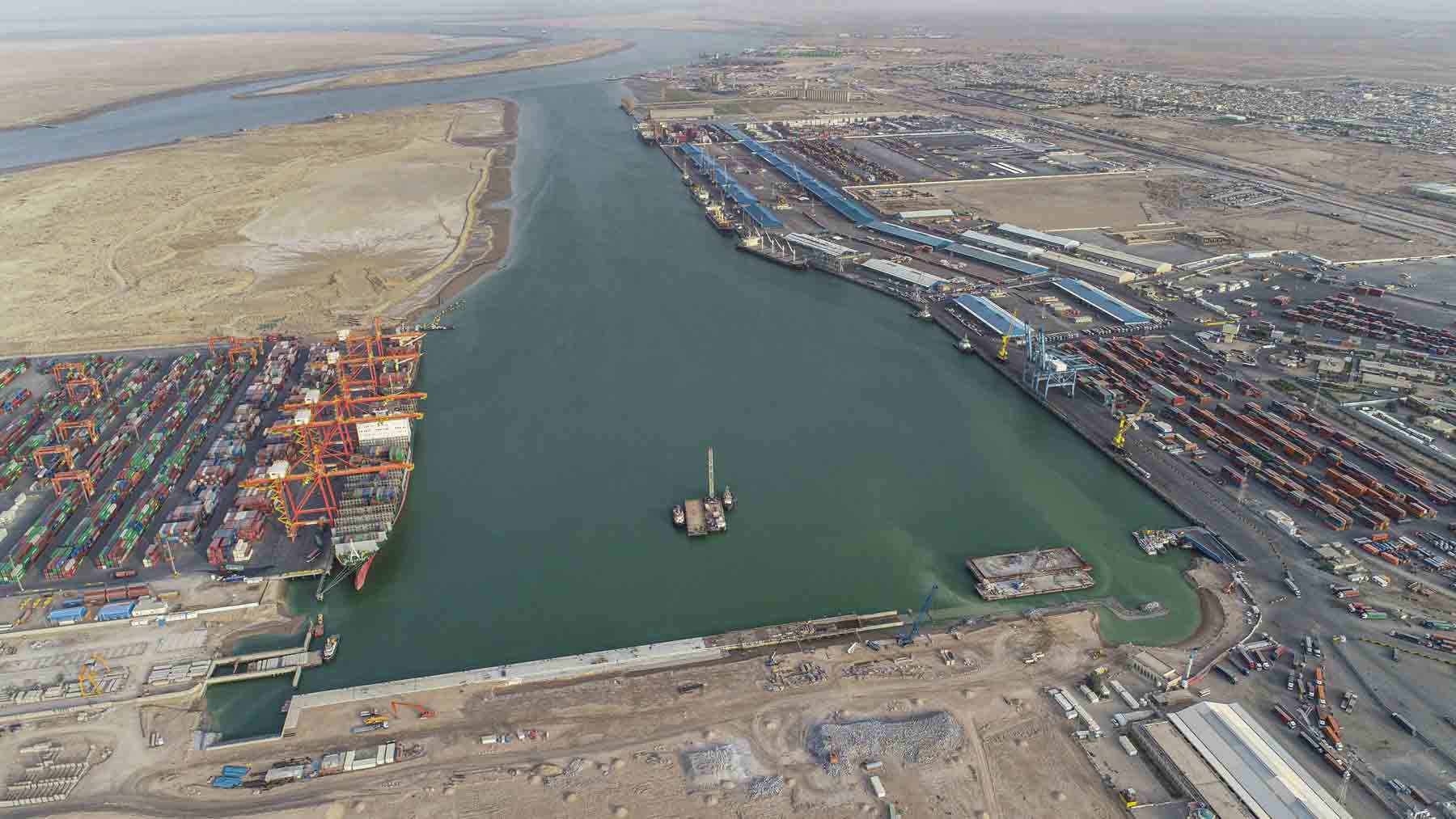
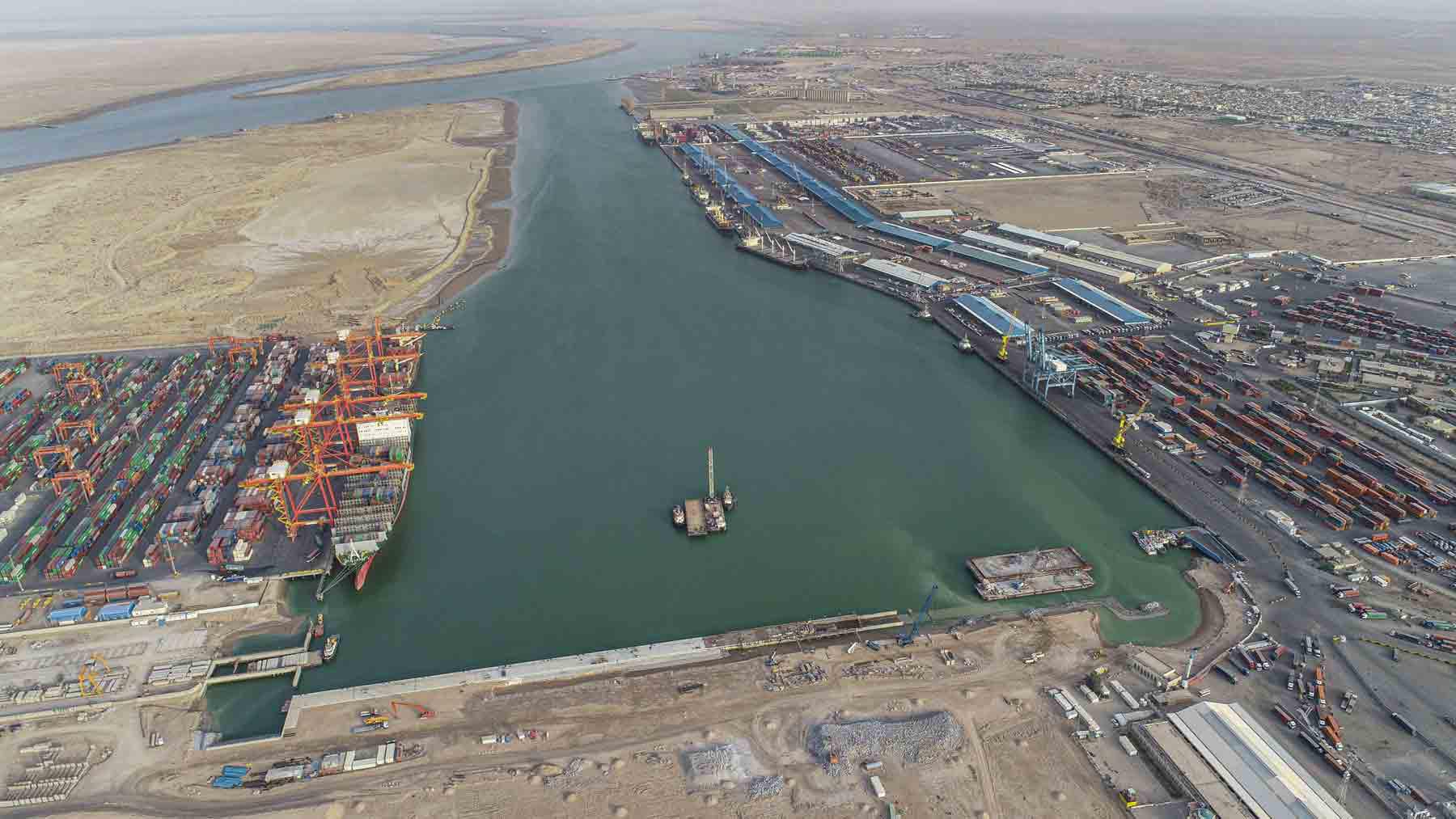
Kuwait maintains that the Fasht Al-Qaid and Fasht Al-Aij areas have never been disputed and form part of Kuwait’s fully-recognised maritime territory.
Monday 23/02/2026
At the heart of tensions
RIYADH – Saudi Arabia has firmly rejected Iraq’s recent submission of updated maritime boundaries to the United Nations, warning that the move infringes on Kuwait’s territory and existing bilateral agreements.
In a statement posted on X on Monday, Saudi Arabia’s Ministry of Foreign Affairs said the Iraqi filing, which included new geographic coordinates submitted in January and February, extended into Khor Abdullah and parts of the submerged areas adjoining the Saudi-Kuwaiti Neutral Zone. This area is jointly managed under binding accords governing shared natural resources.
Riyadh stressed that the amendments also impacted Kuwait’s maritime zones and fixed water elevations, and categorically rejected any claims to rights beyond the boundaries agreed with Kuwait.
“The kingdom categorically rejects any claims suggesting the existence of rights for any party in the submerged area beyond the boundaries agreed upon between Saudi Arabia and Kuwait,” the ministry said, underscoring that current arrangements are grounded in bilateral agreements and consistent with the 1982 UN Convention on the Law of the Sea.
The statement further highlighted the importance of Iraq respecting Kuwait’s sovereignty and adhering to relevant UN resolutions, particularly Security Council Resolution 833 (1993), which demarcated land and maritime borders following Iraq’s 1990 invasion of Kuwait.
Saudi Arabia’s stance was echoed across the Gulf. Qatar expressed full solidarity with Kuwait, noting that the coordinates and map submitted by Iraq infringed on Kuwait’s maritime sovereignty, including the Fasht Al-Qaid and Fasht Al-Aij areas.
“The State of Qatar announces its full solidarity with the sisterly State of Kuwait, affirming that it is following the coordinates lists and map submitted by the sisterly Republic of Iraq to the United Nations, which infringe upon the sovereignty of the State of Kuwait,” the Qatari Foreign Ministry said in a statement on Monday.
The United Arab Emirates also reiterated its support, calling for the matter to be addressed in line with international law, existing bilateral agreements, and the United Nations Convention on the Law of the Sea. Abu Dhabi urged Iraq to respect the “fraternal and historic ties” between the two nations and act with responsibility and seriousness.
Bahrain and Oman likewise voiced support for Kuwait, rejecting any infringement on its sovereignty and national interests. Bahrain’s Ministry of Foreign Affairs called on Iraq to consider the historical trajectory of Kuwait-Iraq relations and to act responsibly in accordance with international law.
For its part, Kuwait summoned Iraq’s chargé d’affaires on Saturday to deliver a formal protest over the submission. Kuwaiti officials maintain that the Fasht Al-Qaid and Fasht Al-Aij areas have never been disputed and form part of Kuwait’s fully-recognised maritime territory.
Meanwhile, Iraq has defended its UN submission, asserting that the updated coordinates and maps were in compliance with international law and aimed at clarifying its maritime boundaries. Despite the UN demarcating the land boundary between Iraq and Kuwait after the 1991 Gulf War, certain aspects of maritime delimitation, particularly in the offshore zones, remain sensitive and subject to bilateral negotiations.
The dispute underscores the continuing strategic and legal sensitivity of Gulf maritime boundaries, where historical conflicts, resource management and international law intersect. Regional observers note that the swift and unified response from Saudi Arabia and Gulf allies reflects a coordinated effort to reinforce Kuwait’s sovereignty and prevent unilateral changes to established agreements.