


A sensitive file
Iraq pushes back after Arab support for Kuwait in maritime dispute
Earlier this week, the foreign ministries of Jordan, Palestine and Egypt expressed concern over Iraq’s submission to the United Nations and reaffirmed support for Kuwait’s sovereignty.
Friday 27/02/2026
A sensitive file
BAGHDAD – Iraq expressed on Thursday regret over statements issued by Jordan, Palestine and Egypt supporting Kuwait’s position after Baghdad deposited maps of its maritime boundaries with the United Nations, insisting the move was a sovereign right carried out in accordance with international law.
The Foreign Ministry said the issue was raised in separate meetings in Baghdad between Undersecretary for Bilateral Relations Mohammed Hussein Bahr al-Uloom and the ambassadors of the three countries.
According to ministry statements, Bahr al-Uloom told the envoys that their governments’ remarks had “overlooked the official Iraqi position” and failed to reflect the legal steps taken by Baghdad under the 1982 United Nations Convention on the Law of the Sea (UNCLOS).
He described Iraq’s decision to deposit its maritime domain map with the UN as a “fixed sovereign right,” adding that the step was taken transparently and in line with international law. The statements issued by the three Arab states had led to “official and popular dissatisfaction” in Iraq, the ministry said.
Support for Kuwait
Earlier this week, the foreign ministries of Jordan, Palestine and Egypt expressed concern over Iraq’s submission to the United Nations, reaffirmed support for Kuwait’s sovereignty and called on both sides to resolve the maritime dispute through dialogue, in line with international law and principles of good neighbourliness.
Jordan’s Foreign Ministry urged adherence to UNCLOS and related agreements, while backing Kuwait’s sovereignty. Egypt similarly called on both countries to prioritise dialogue and respect Kuwait’s territorial integrity. Palestine said it was monitoring developments and stressed the need to uphold international law.
During his meeting with Jordan’s ambassador Maher al-Tarawneh, Bahr al-Uloom underlined what he described as the depth of historical ties between Baghdad and Amman, urging greater accuracy and objectivity in official positions so as to preserve bilateral relations and respect state sovereignty. Tarawneh said he would convey Iraq’s viewpoint to his leadership, reiterating Jordan’s support for diplomatic and negotiated solutions.
In a separate meeting, Palestinian Ambassador Samer Abdelrahman said her country’s statement reflected a desire to promote Arab cooperation and non-interference, affirming full respect for Iraq’s sovereignty and pledging to transmit Baghdad’s message clearly to the Palestinian leadership.
Egypt’s ambassador to Baghdad Ahmed Samir Helmy also met Bahr al-Uloom and said Cairo’s statement was intended to support regional security and stability. He likewise undertook to relay Iraq’s position.
Kuwaiti protest
The row intensified over the weekend when Kuwait summoned Iraq’s chargé d’affaires in Kuwait City to deliver a protest note over what it described as “claims regarding Iraqi maritime domains.”
Kuwait said Iraq had lodged coordinates and a map with the United Nations that infringed upon Kuwaiti sovereignty over established maritime areas and features, including Fisht al-Aij and Fisht al-Qaid, which it said had never been subject to dispute.
In response, Iraq’s Foreign Ministry said the submission was made in accordance with the law of the sea and stressed that defining its maritime domains was a sovereign matter in which no other state had the right to interfere. It added that Iraq remained committed to respecting relevant international legal principles.
Foreign Minister Fuad Hussein was quoted as saying that Kuwait had deposited its own maritime maps and baselines with the United Nations in 2014 without consulting Iraq at the time, while Baghdad had only recently completed its filing.
Long-running dispute
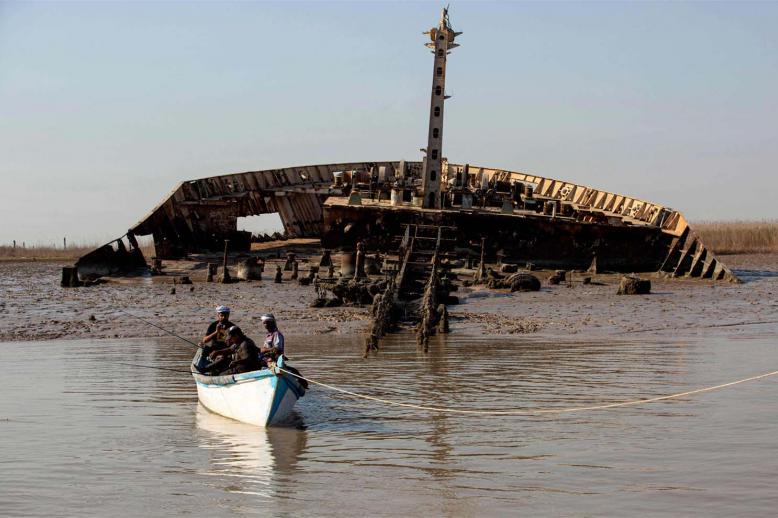
Tensions between the two neighbours centre on the completion of maritime boundary demarcation beyond marker 162, navigation arrangements in the Khor Abdullah waterway at the northern tip of the Gulf, and the exploitation of shared offshore resources, notably the Durra gas field.
In 1993, the UN Security Council adopted Resolution 833, which formalised the land and maritime boundary between Iraq and Kuwait following Iraq’s 1990 invasion of its southern neighbour.
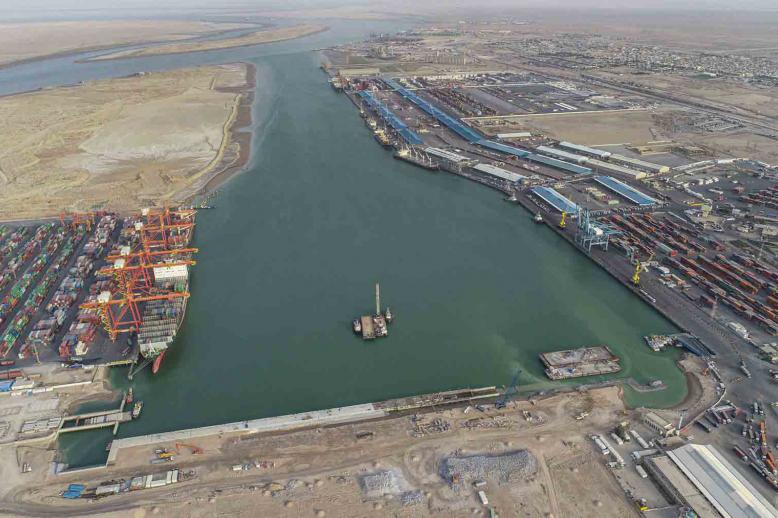
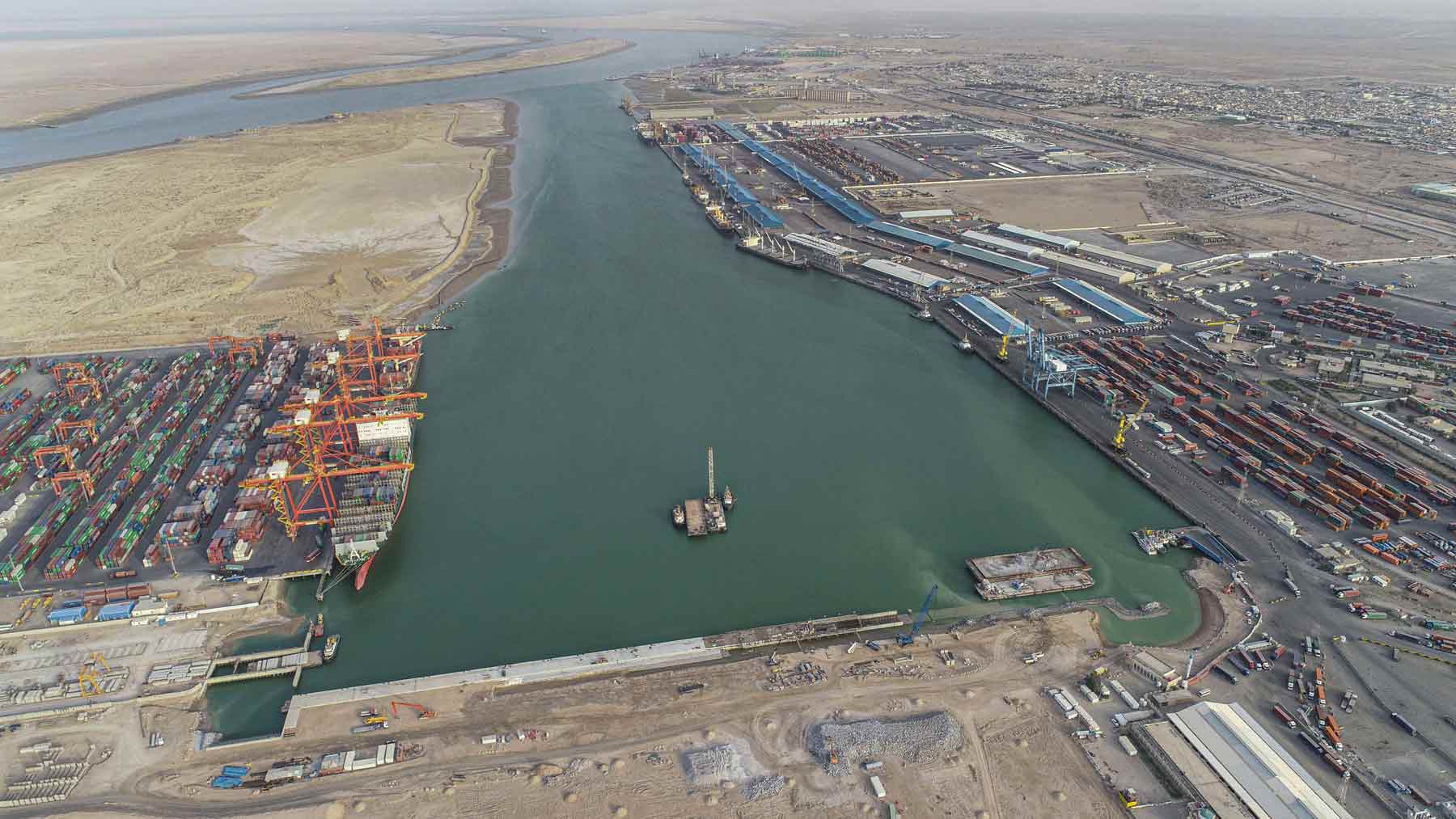
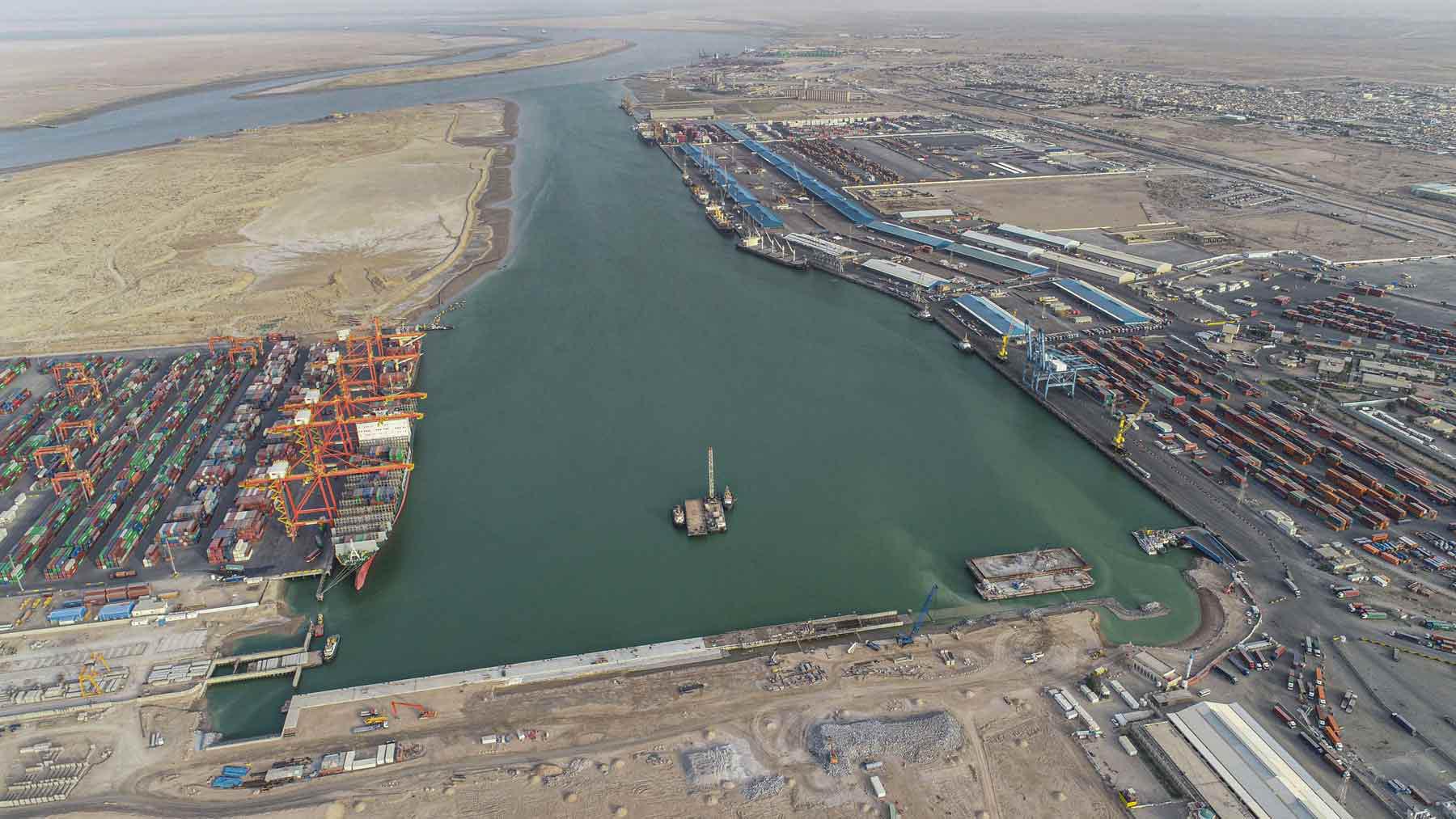
Iraq has limited access to international waters, relying on a narrow coastal strip around the port of Umm Qasr in Basra province, bordering Kuwait. The maritime file remains highly sensitive domestically, where sovereignty over sea access is closely tied to economic and strategic interests.
Baghdad says it remains open to resolving outstanding issues through legal and diplomatic channels, but maintains that its recent UN submission is consistent with international law and does not prejudice dialogue.