

The second phase would extend significantly further north
Lebanon sets four-month timeline to advance Hezbollah disarmament
International signals have included warnings from US envoy Tom Barrack, who suggested Israel could resort to unilateral measures if progress stalled.
Tuesday 17/02/2026

The second phase would extend significantly further north
BEIRUT – The Lebanese government has revealed that the army requires at least four months, with the possibility of extension, before launching the second phase of a plan to disarm Hezbollah, underscoring the complex military, political and regional challenges surrounding one of the country’s most sensitive security issues.
The announcement signals that Beirut’s strategy to consolidate state control over weapons remains constrained by operational realities on the ground, domestic political divisions and continued Israeli military pressure.
Following a cabinet session, Information Minister Paul Morcos said the government had reviewed the army’s monthly report on implementing the disarmament plan across Lebanese territory, in line with the cabinet’s decision to restrict arms possession to state institutions.
He stressed that moving to the next phase would depend on favourable conditions, adding that “if the same facilitating factors are present, there is a timeframe of four months, extendable depending on available capabilities, Israeli attacks and field obstacles.”
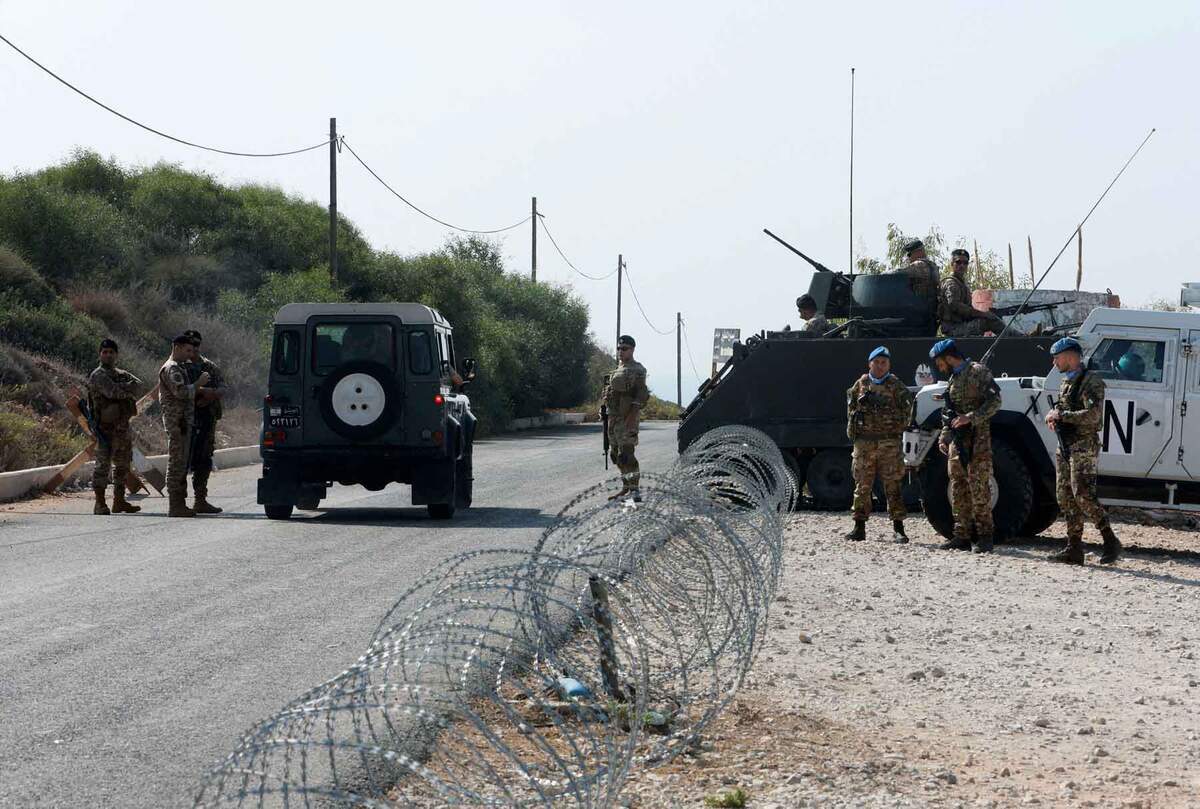
The disarmament strategy consists of five phased stages. The first phase has already been completed in the area south of the Litani River, covering approximately 30 kilometres along the border with Israel.
The second phase would extend significantly further north, from the Litani River to the Awali River near Sidon, reaching up to 60 kilometres from the southern border and around 40 kilometres from Beirut.
This zone is considered highly sensitive due to its strategic location linking southern Lebanon with the capital, making it critical for consolidating state authority and preventing the re-emergence of independent armed networks.
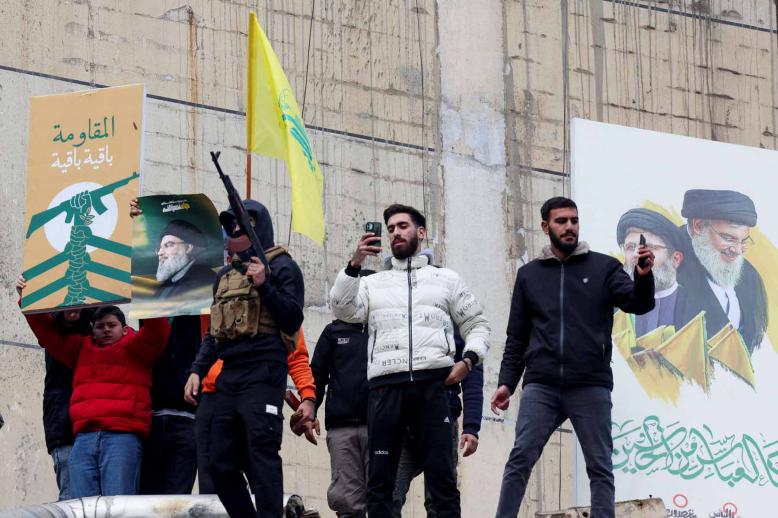
Hezbollah has firmly opposed the plan, highlighting the deep internal divisions it has triggered.
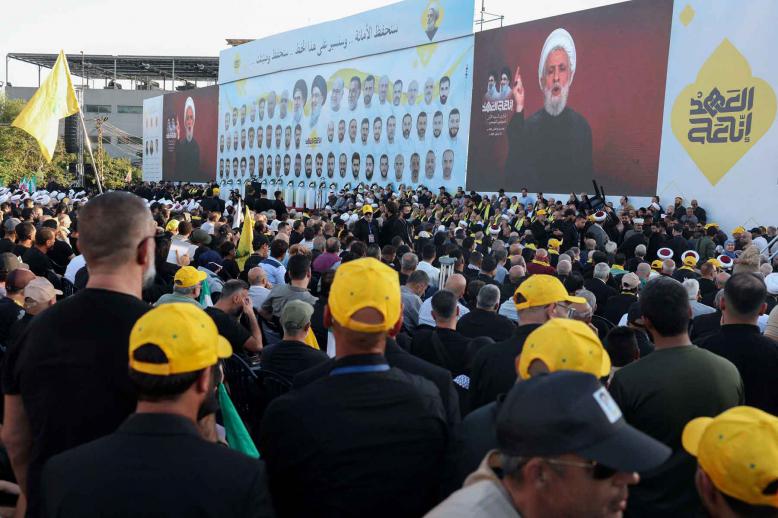
The group’s Secretary-General Naim Qassem condemned the government’s approach, describing the focus on disarmament as “a grave mistake” that serves Israeli interests.
“Stop every move aimed at restricting weapons to the state,” he said during a party event, accusing the government of contributing to Israeli ambitions by making concessions and responding to international pressure.
His remarks reflect Hezbollah’s longstanding position that its weapons constitute a “resistance” force against Israel rather than an internal security issue.
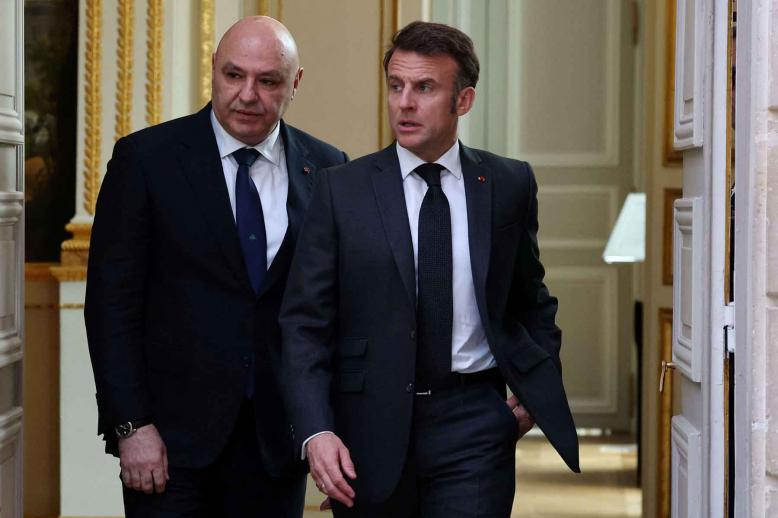
The issue has drawn significant international attention, including during a recent visit to Beirut by German President Frank‑Walter Steinmeier, who called for continued progress on disarmament and full implementation of the ceasefire agreement.
Speaking alongside Lebanese President Joseph Aoun, Steinmeier stressed the importance of all parties adhering to the ceasefire and said it offered an opportunity to create conditions for Israel’s withdrawal from positions it occupied during the recent war.
Aoun emphasised that Lebanon could not endure another round of conflict and underscored the need to strengthen the Lebanese army.
“We asked for support for the Lebanese army and, if possible, for Germany to play a central role after UNIFIL,” he said, referring to the United Nations Interim Force in Lebanon, which includes German naval units and training operations.
Hezbollah’s confrontation with Israel lasted more than a year before ending in November 2024 under a ceasefire agreement. However, Israeli air strikes inside Lebanon have continued, and Israeli forces remain stationed at five strategic positions in the south, despite provisions for a full withdrawal.
The conflict left Hezbollah politically and militarily weakened, prompting the Lebanese government in August to approve the disarmament plan and task the army with its implementation.
Although the army declared the first phase completed in early January, Israel dismissed the step as insufficient and has continued targeting sites it claims are linked to Hezbollah’s efforts to rebuild its military capabilities.
This scepticism has placed Lebanon’s strategy under dual pressure: domestically from Hezbollah and its allies opposing disarmament, and internationally from countries demanding faster and more decisive action.
International signals have included warnings from US envoy Tom Barrack, who suggested Israel could resort to unilateral measures if progress stalled.
These pressures highlight the delicate balancing act facing Lebanon, as the government seeks to reinforce state authority while avoiding escalation.
The army’s cautious approach reflects the highly sensitive nature of the mission, as it attempts to expand state control in southern Lebanon without triggering internal instability or renewed conflict.
Ultimately, Lebanon’s disarmament effort represents a critical test of the state’s ability to assert sovereignty, maintain fragile stability and navigate competing domestic and international demands in a volatile regional environment.