




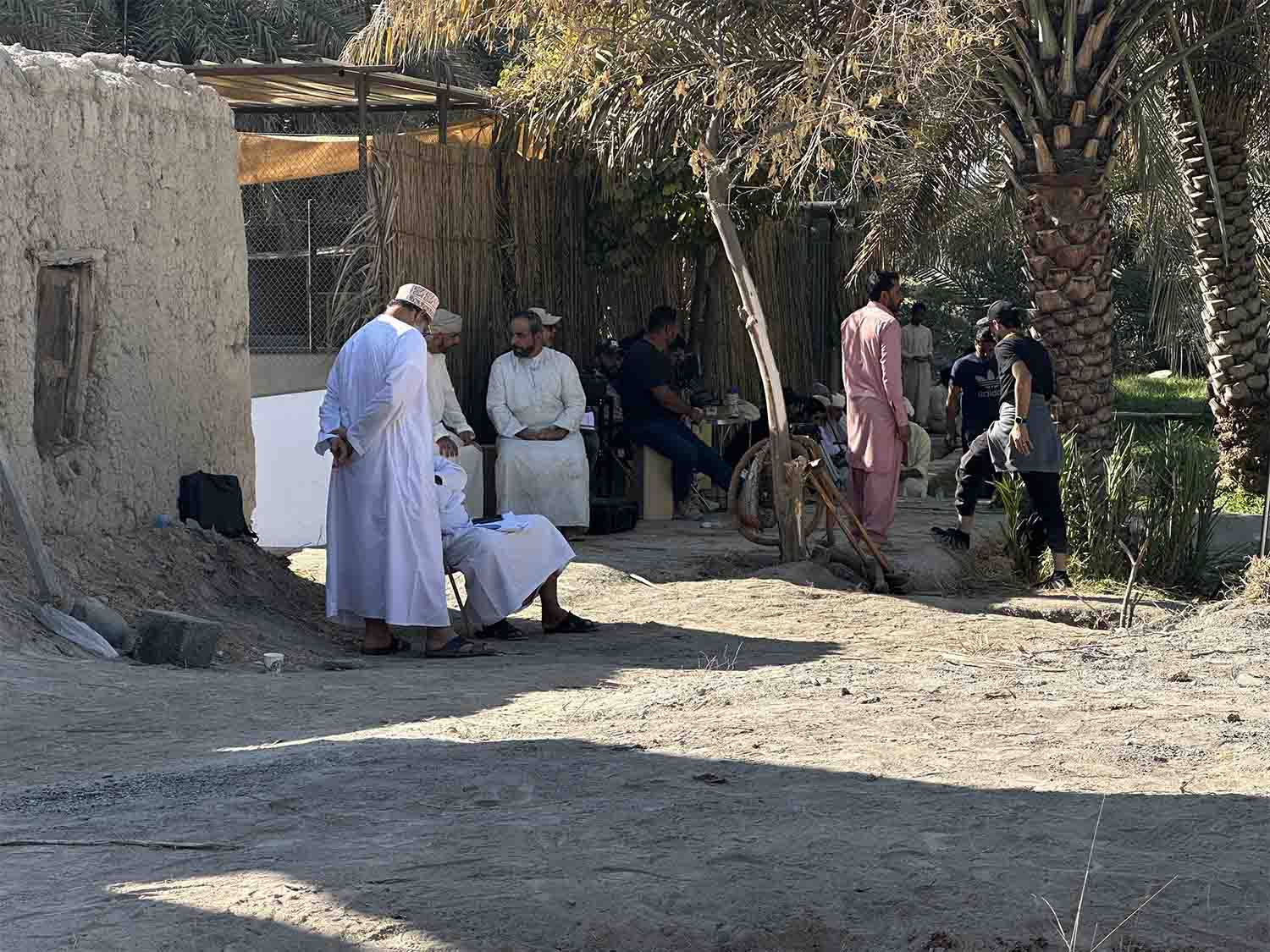
Al Qafer represents a true leap forward, moving Omani drama to a new shore
The water’s whisper: Al Qafer and the rising tide of Omani Ramadan drama
The new thirty-episode drama is a sweeping visual odyssey that reconstructs the spiritual and physical landscape of mid-20th-century Oman, centered on the ancient falaj irrigation system and the mystical figures who sustained it.
Tuesday 03/03/2026
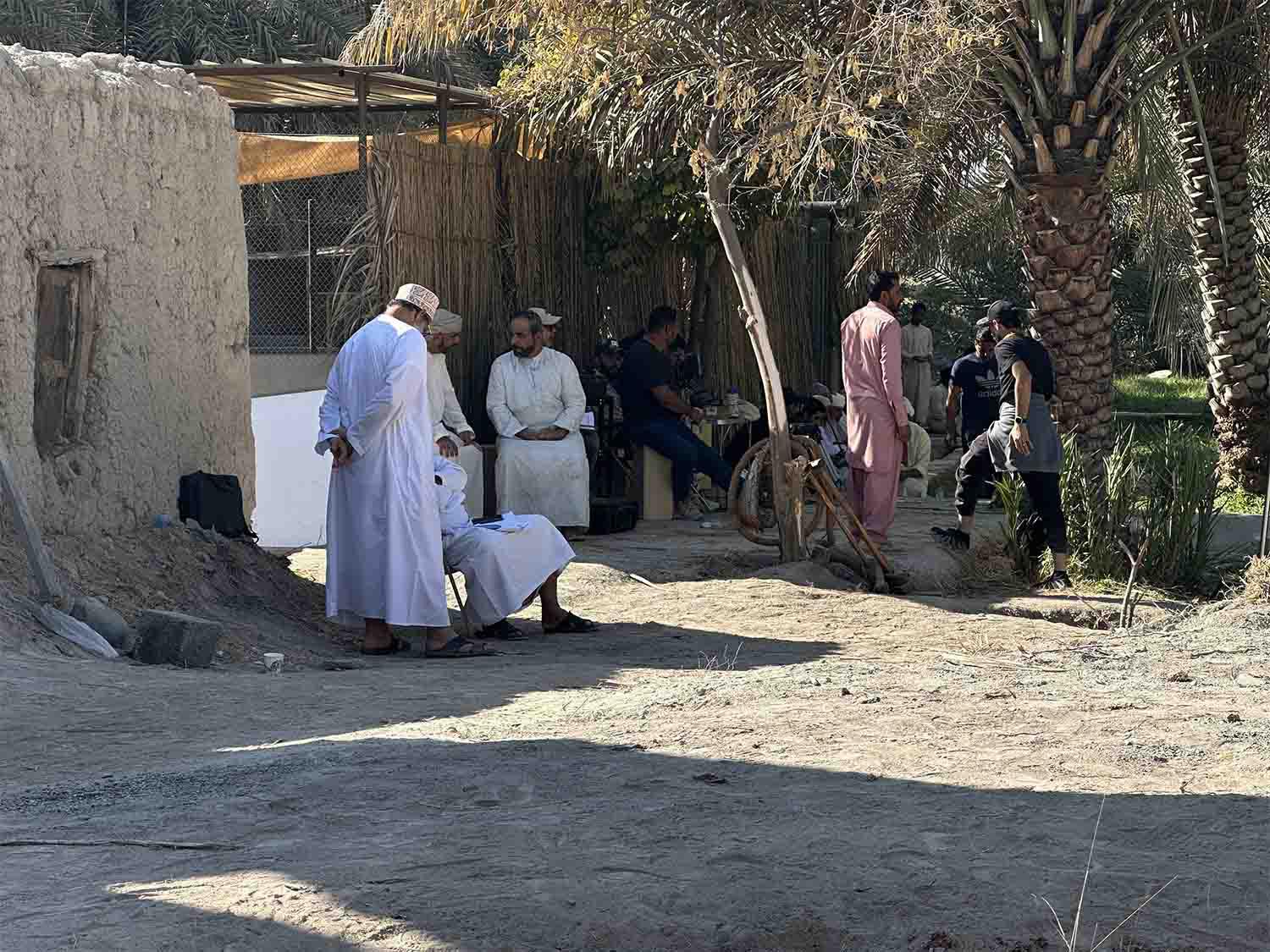
Al Qafer represents a true leap forward, moving Omani drama to a new shore
MUSCAT - As the sun sets over the rugged peaks of the Al Hajar Mountains and the call to prayer signals the breaking of the fast during Ramadan 2026, Omani television audiences are being transported into a world where water is not merely a resource, but a protagonist.
The visual journey begins with a hauntingly beautiful atmosphere: the dim, flickering glow of ancient oil lamps and the ethereal moonlight of the Arabian night illuminate the simplicity of traditional life. In these shadows, the bustling energy of old markets comes alive—a narrow space teeming with movement, raised voices, and children racing through the alleyways.
The new thirty-episode drama Al Qafer—adapted from Zahran Al-Qasimi’s 2023 International Prize for Arabic Fiction (IPAF) winning novel, Tahribat Al Qafer—has emerged as a landmark production. It is a sweeping visual odyssey that reconstructs the spiritual and physical landscape of mid-20th-century Oman, centered on the ancient falaj irrigation system and the mystical figures who sustained it.
The Legend of the Water-Seeker
At the heart of the narrative is the Al Qafer —a traditional water-seeker possessed of an almost supernatural intuition for locating hidden springs beneath the arid earth. This is not just a profession; in the world of Al Qafer, it is a burdensome inheritance of destiny. The series meticulously traces the life of the protagonist, whose very existence is defined by a tragic, elemental irony.
His story begins with a haunting origin: his mother, plagued by a thirst that no medicine could quench, died in a village well while pregnant with him. As the villagers debated whether to bury her or attempt to save the child, the village Imam intervened with the firm Quranic verse: "He brings forth the living from the dead." Thus, Salem (Al Qafer) was born from the depths, orphaned by the very element he was destined to find. Growing up between his father and a wet nurse, he eventually embarks on a journey of hardship in a village torn by conflict, turning his back on petty disputes to pursue his dream of finding water and saving his people from thirst.
The Struggle for Existence
The drama uncovers the existential struggle in the journey to find water within an Omani village suffering from acute scarcity. Airing on Oman TV and featuring a stellar cast—including Mohammed Al-Amiri, Yaqoub Al-Harthy, Saud Al-Khanjari, Samira Al-Wuhaibi, and Abdullah Shannun—the series captures the deep significance of the "thirsty" land.
In Zahran Al-Qasimi’s original text, a striking aspect is the vivid description of Oman’s flash floods. The narrative paints a harrowing picture: as the sky "pours itself" onto the village, the floods sweep away orchards and dissolve the walls of mud-brick houses. Families are forced to flee to mountain caves, watching for days as the water submerges their town, turning their homes into nothing more than a memory.
A Tapestry of Language and Talent
The series is a linguistic melting pot, utilizing the rich variety of Omani dialects. From the specific tones of the capital, Muscat, to the maritime, desert, and mountain accents, the show acts as a vessel for Oman's diverse heritage without hindering the viewer's understanding.
This production also marks a significant milestone for Omani drama's openness to complex narrative structures. The "new faces" in the cast have demonstrated a raw talent that suggests this series is a foundation upon which future Omani television can be built. The cinematography itself acts as one of the main "heroes," breathing life back into an actual ancient village used as the filming location, while the soundtrack heightens every emotional peak.
Ultimately, the success of Al Qafer rests on its ability to make the specific universal. Director Tamer Ishaq and writer Zahran Al-Qasimi took a bold adventure in expanding a mid-sized novel into a daily series, adding descriptive, meditative pauses that highlight the diversity of the Omani environment.
The engagement has been undeniable. When children were asked if they were watching the show, the answer was a resounding "Aywa" (Yes). In the digital age, episodes are being shared via WhatsApp, proving that the suspenseful rhythm of the show has captured the public imagination. While there are always lessons to be learned for future productions, Al Qafer represents a true leap forward, moving Omani drama to a new shore and ensuring that the stories of those who whispered to the water are never forgotten.