



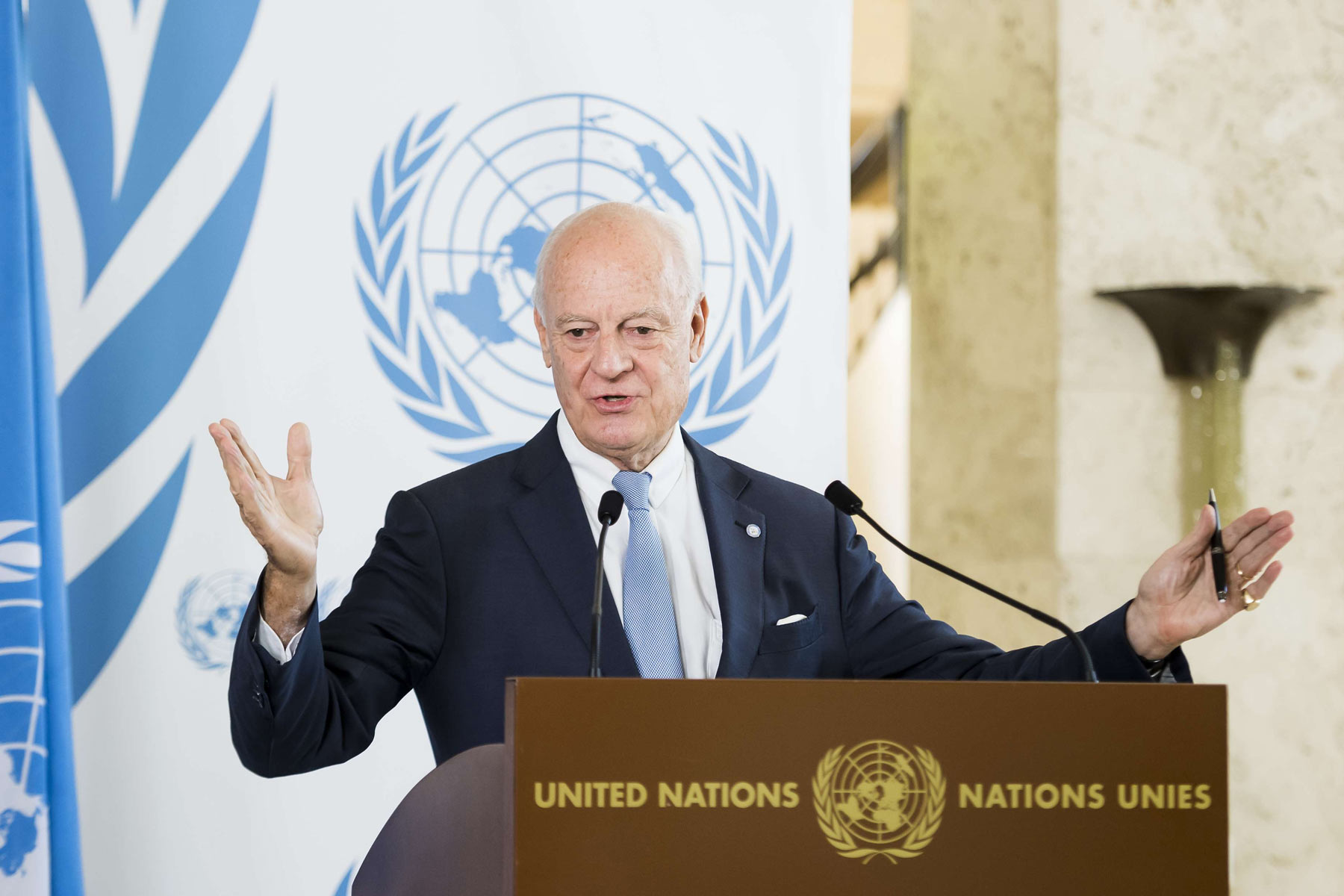
De Mistura: Despite progress, the process remains fragile
UN envoy sees breakthrough window in Western Sahara dispute
De Mistura outlined an ambitious timeline, saying he aims to reconvene all parties before October in an effort to agree on a draft framework document.
Monday 27/04/2026
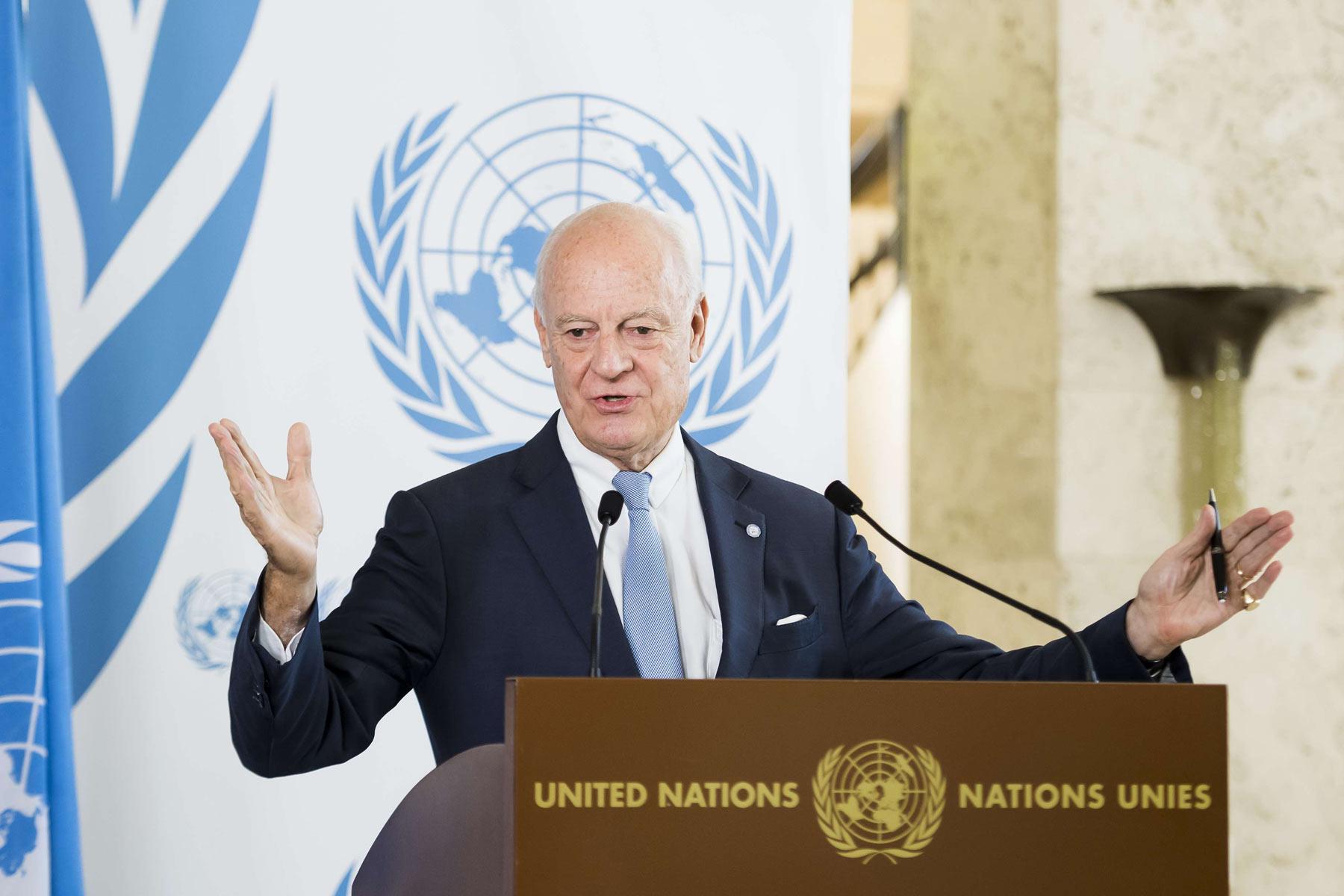
De Mistura: Despite progress, the process remains fragile
UNITED NATIONS / RABAT – The United Nations said on Sunday there is “real momentum” in efforts to resolve the Western Sahara dispute, as diplomacy gathers pace around Morocco’s autonomy proposal and long-stalled negotiations resume for the first time in years.
UN envoy Staffan de Mistura told the Security Council that a combination of international backing, renewed regional engagement and direct talks had created an “unprecedented opportunity” to advance toward a political settlement.
The Western Sahara dispute, which dates back to 1975, pits Morocco against the Algeria-backed Polisario Front and has long been one of the most intractable conflicts in North Africa.
De Mistura said three rounds of direct talks had been held since the start of the year between Morocco, the Polisario Front, Algeria and Mauritania, marking the first face-to-face engagement in seven years.
He said discussions were now moving into “the depth of detail”, including governance models, administrative authority and mechanisms that could incorporate elements of self-determination within a political framework.
A central pillar of the renewed diplomatic push is Morocco’s autonomy plan, first presented in 2007. The UN envoy said the proposal has gained increased traction within the Security Council, where it is now widely viewed as the most “serious, credible and pragmatic” basis for a settlement.
He also noted strengthened international support, including from the United States, which has played a key role in facilitating recent negotiations.
According to de Mistura, the UN has worked closely with Washington to restart dialogue and sustain momentum after years of diplomatic stagnation.
He praised Morocco for presenting a more detailed version of its autonomy proposal, addressing longstanding UN calls for clearer institutional arrangements and implementation mechanisms. He also welcomed Morocco’s stated willingness to cooperate directly with the Polisario Front.
However, the envoy warned that mistrust remains a major obstacle, particularly within the Polisario leadership, which has expressed concerns over political guarantees and security arrangements for its members.
He said he understood these concerns but stressed they must be addressed within negotiations if progress is to be sustained.
De Mistura outlined an ambitious timeline, saying he aims to reconvene all parties before October in an effort to agree on a draft framework document. Such a document would define the structure of a potential political settlement and outline a transitional roadmap.
Diplomatic sources say the renewed push reflects broader international interest in closing one of the UN’s longest-running peace processes, amid growing concerns over regional instability in North Africa and the Sahel.
The Western Sahara issue has seen shifting international positions in recent years, with several countries increasingly describing Morocco’s autonomy plan as a realistic foundation for negotiations under UN auspices.
While no breakthrough has yet been achieved, diplomats involved in the process say the current phase represents the most active engagement in nearly a decade.
De Mistura cautioned that despite progress, the process remains fragile and depends on sustained political will from all parties involved.
He said success would require “historic concessions” and compromise aimed at securing a durable solution for future generations in the region.