
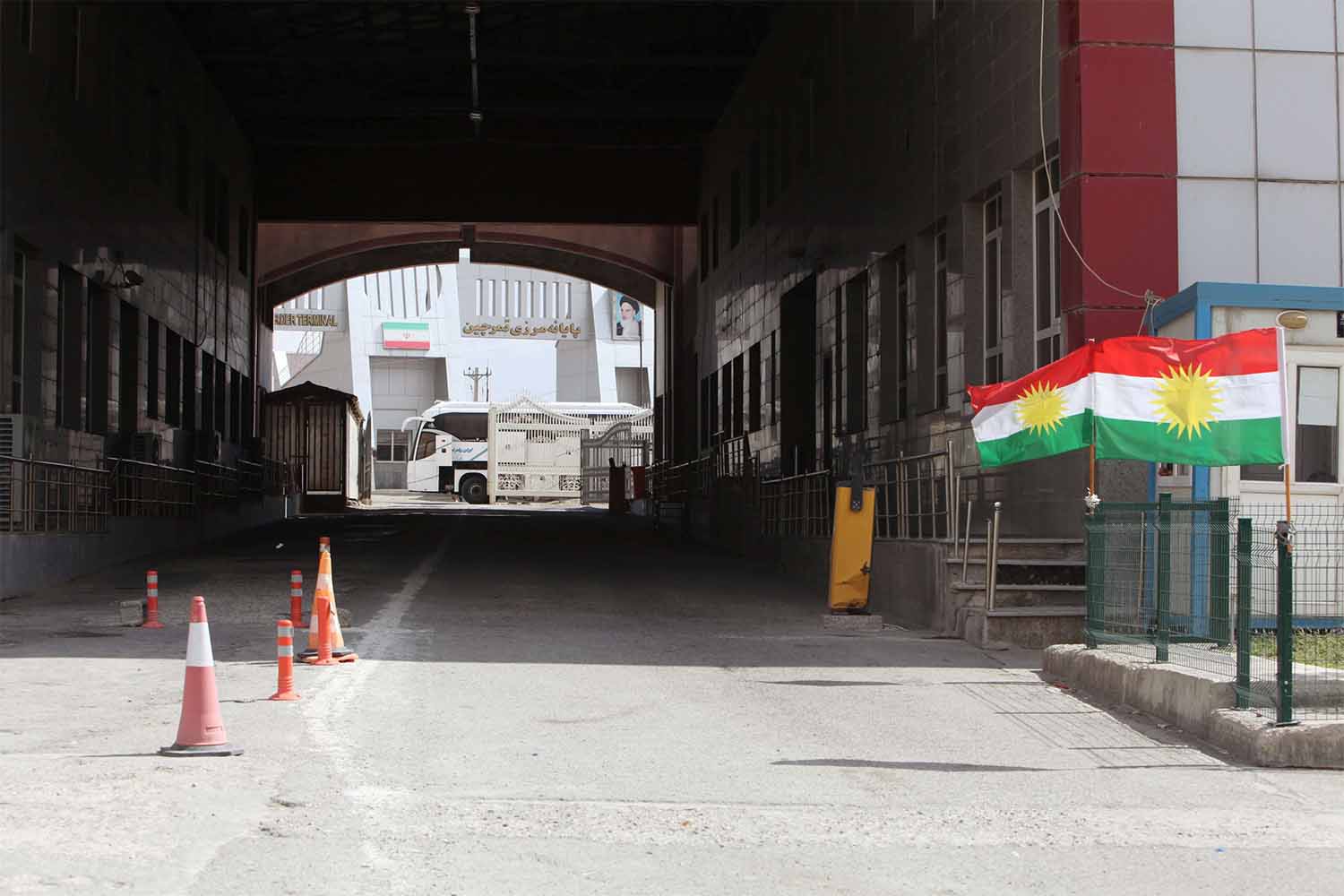
The border between Iran and Kurdistan
If war breaks out against Iran… Where do the Kurds stand?
In Western Iran, Kurdish areas would face direct security pressure, not only because of potential military escalation but also due to the political suspicions that accompany wartime.
Monday 23/02/2026
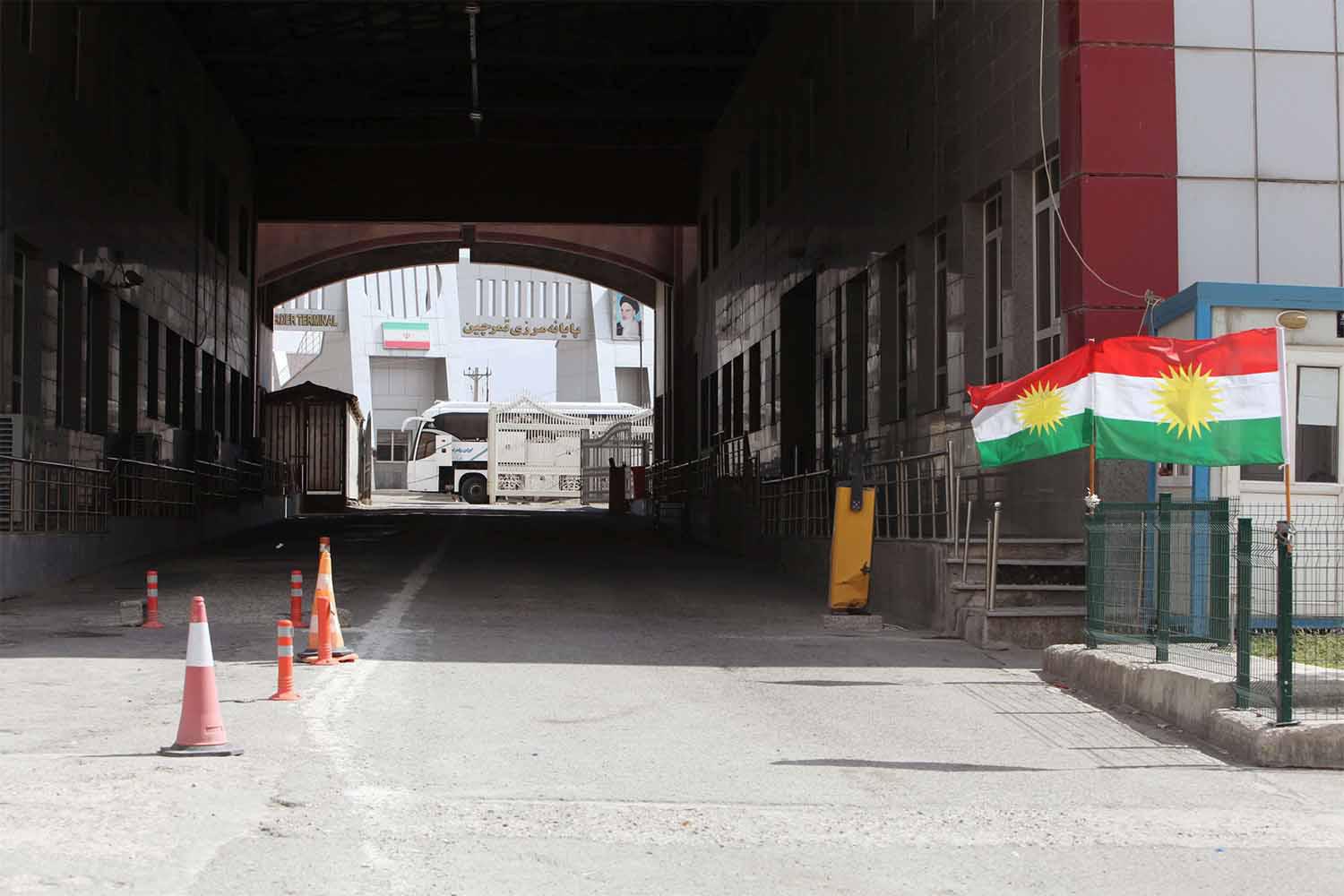
The border between Iran and Kurdistan
The issue is not merely the possibility of a war against Iran, but what comes the day after. The region can no longer withstand a conventional confrontation; any spark could evolve into a reshaping of balances rather than a mere exchange of military strikes. In such moments, geography does not remain neutral, and the Kurds—by virtue of their position across multiple states—would find themselves at the heart of the storm, not on its margins.
In Western Iran, Kurdish areas would face direct security pressure, not only because of potential military escalation but also due to the political suspicions that accompany wartime. In times of confrontation, national identities often become security files, public space narrows, and any movement becomes subject to interpretation.
In Turkey, regional chaos may be used to further tighten the security grip, whether domestically or along the borders of the Kurdistan Region. Major wars are often exploited to reorder pending files, and the Kurdish file remains among the most sensitive.
In Northeastern Syria (Rojava), any broad escalation would likely mean a decline in international priorities and a return to security fragility. This would place the existing administration before compounded challenges amid an unstable regional environment.
For Iraq as a whole, a war against Iran would place the state before a complex sovereignty test, caught between internal pressures and external polarizations. The Kurdistan Region, however, would face an even more delicate equation: Possibility of targeting sites linked to the American presence and the risk of the Region becoming a venue for reciprocal messaging between powers, and increased activity of armed factions, as seen in recent tensions in Kirkuk with the arrival of special forces. Economic pressure if border crossings with Iran are closed.
The policy of maintaining a "safe distance"—which the Region has long pursued—may become nearly impossible. In wartime, neutrality is often read as a position, and silence is interpreted as alignment.
Historical experience shows that the Kurds are often summoned in moments of escalation, yet sidelined when gains are distributed. The danger lies not only in missiles but in the political remapping of the region and the understandings that may emerge without meaningful Kurdish participation.
The views expressed are solely those of the author and may or may not reflect those of Middle East Online.