
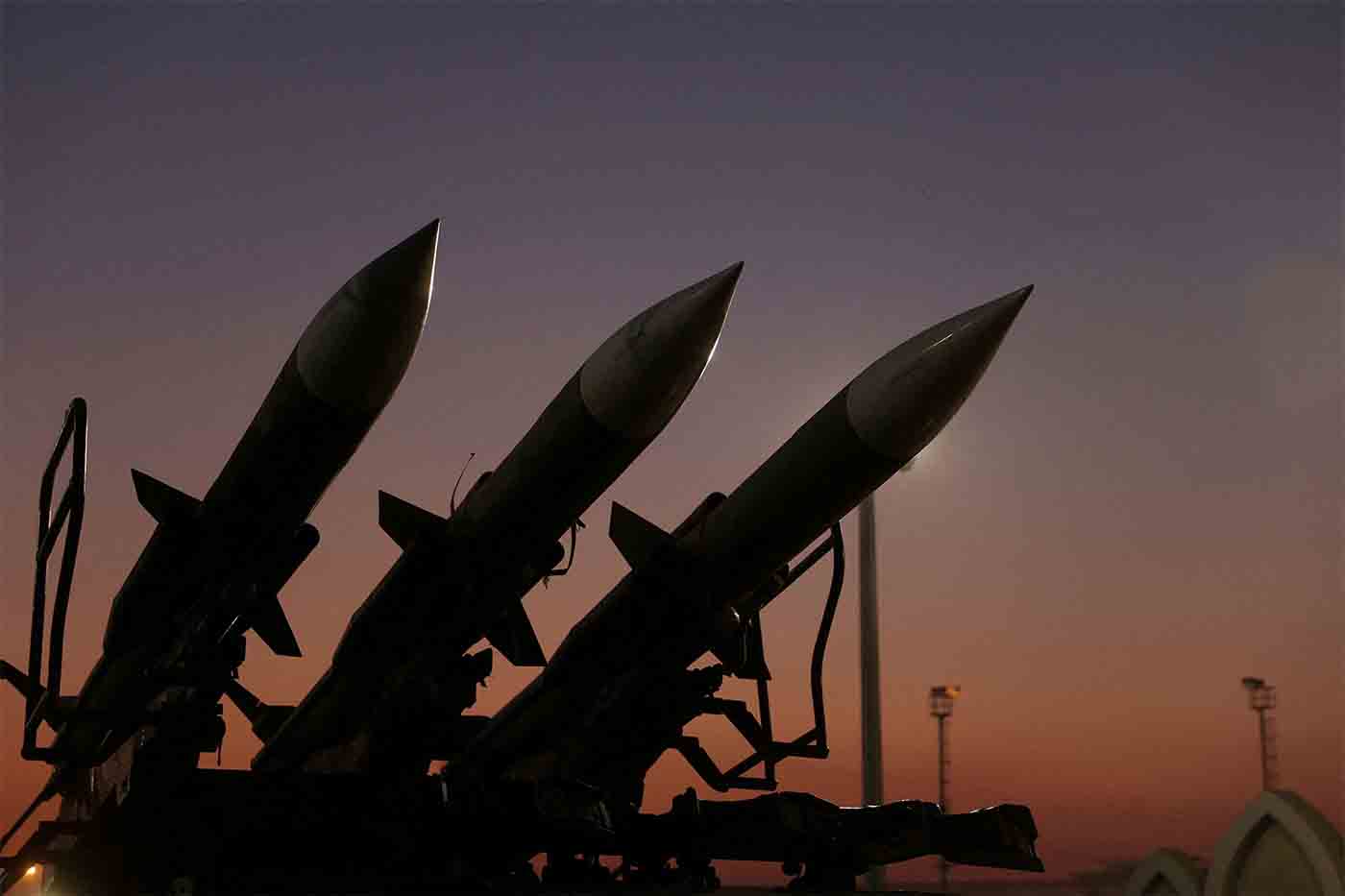
Will the Iranian regime endure and demonstrate its resilience under pressure?
War on Iran… as the stage for regime change?
The paradox is that major international powers, despite this escalation, remain hesitant to engage in a full-scale ground war. Any direct confrontation would be enormously costly and could unleash a regional chaos that is difficult to control.
Monday 30/03/2026
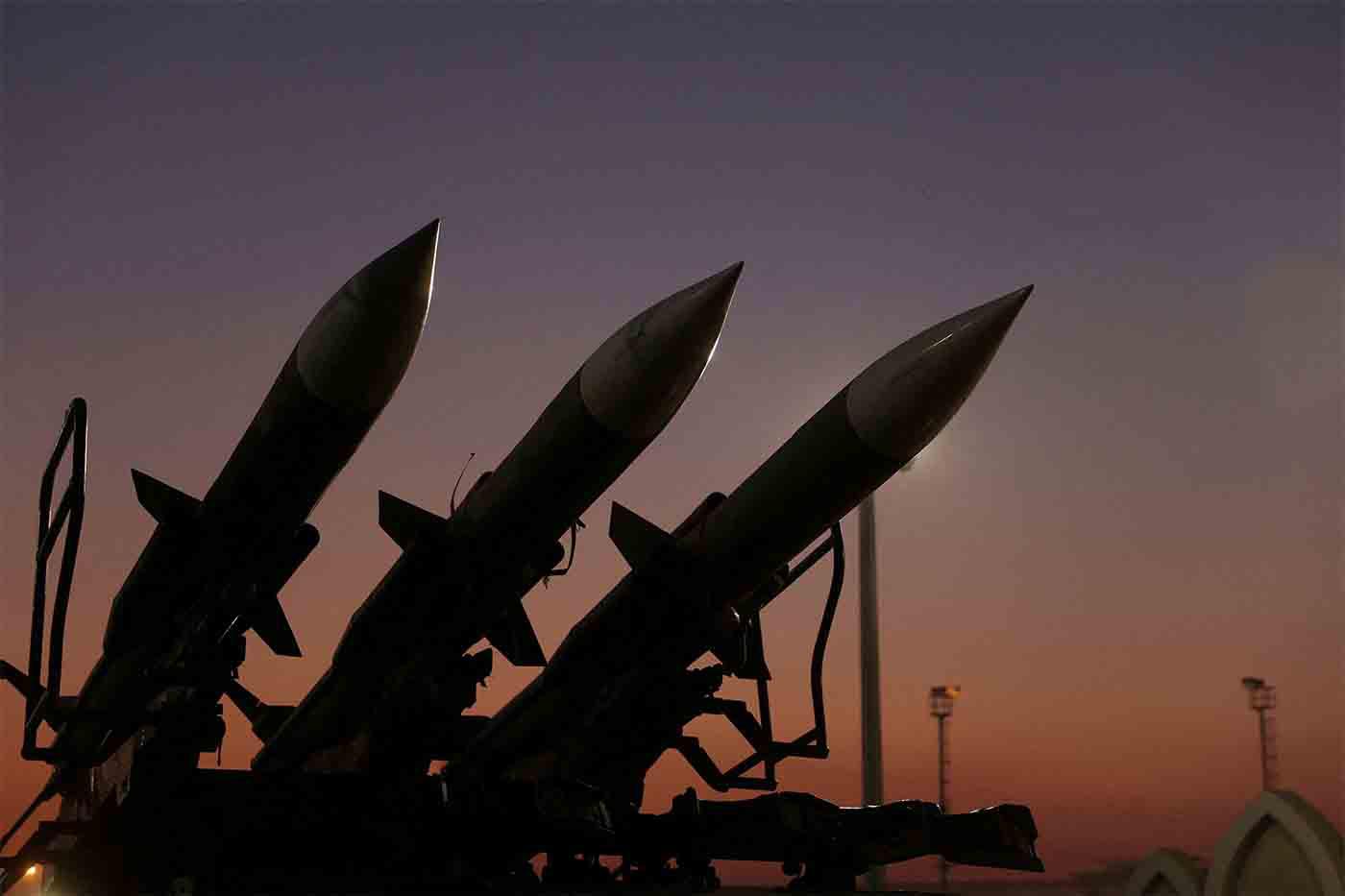
Will the Iranian regime endure and demonstrate its resilience under pressure?
In a matter of weeks, Iran has shifted from a country under economic and political pressure to a stage of direct military escalation targeting the regime's top leadership, with a series of airstrikes hitting Revolutionary Guard commanders and strategic sites. These are no longer mere warnings or cautionary messages; they mark a new phase of confrontation that places the Iranian regime under direct pressure and narrows its available options.
The paradox is that major international powers, despite this escalation, remain hesitant to engage in a full-scale ground war. Any direct confrontation would be enormously costly and could unleash a regional chaos that is difficult to control—from Iraq and the Gulf to Syria, Lebanon, and even the global oil markets.
A Shift in the International Equation
The targeting of the Supreme Leader and several senior Revolutionary Guard commanders makes it clear that this escalation has surpassed conventional deterrence. Strikes on Kharg Island and critical military centers indicate that the objective is no longer merely restricting the nuclear program or regional influence, but weakening the very structure of the regime. These strikes represent a shift in the international equation: pressure is no longer limited to sanctions or threats; it has become direct pressure on Iran’s decision-makers, sending a powerful signal that any continued regional expansion will face decisive opposition while avoiding a costly ground war.
Over decades, Iran has built a network of influence stretching from Iraq to Syria, Lebanon, and Yemen, giving it significant regional leverage. Yet this very strength makes it a constant target for adversaries seeking to reduce its influence. The current strategy reflects a clear understanding among international and regional actors that weakening Iran’s influence does not require territorial occupation but applying pressure that creates internal shifts within the regime or at least forces a recalibration of its internal balances. Any popular or political reaction from within could further amplify this pressure.
The Risks of Ground Confrontation
Despite the intensive airstrikes, a ground offensive has not yet commenced, and the reason is clear: any ground confrontation would be immensely costly and fraught with risks. Facing Iran’s ground forces, the potential for rapid escalation in the Gulf, and threats to global oil markets make a full-scale ground invasion currently unfeasible.
The current strategy relies on undermining the leadership and weakening Iran’s regional influence through airstrikes and diplomatic threats, while leaving room for internal Iranian actors to respond. Any internal political or popular reaction could contribute to weakening the regime or forcing it to recalibrate its strategies. In other words, the goal is to influence the regime from within, not to occupy Iran.
Regional Implications
The growing pressure on Iran has direct regional implications:
Iraq faces a struggle over the balance of Iranian influence and attempts to readjust political equilibriums.
The Kurdish regions may witness debates over rights and the impact of transformations on Kurdish populations in Iran and Iraq.
The Gulf and energy markets are at risk in the event of further escalation.
This phase is not a full-scale war, but a strategic stage designed to compel the regime to adjust its regional behavior. What is happening in Iran today differs from all previous phases of pressure. Targeting the top leadership and vital sites demonstrates that international powers are not seeking direct war but aim to induce tangible political change.
A Critical Juncture
Iran, for its part, faces a dual test: responding to external pressure while maintaining internal stability. Its military capabilities and regional strategy provide it with maneuvering space, yet at the same time, make it a constant target for regional and international adversaries.
The Middle East now stands at a critical juncture. The recent airstrikes are not a temporary escalation but a change in the rules of the game: direct pressure on the leadership, reduction of Iran’s influence, and a carefully calculated strategy to avoid full-scale war. The most likely scenario is continued intense military and political pressure, with the possibility that internal Iranian responses will lead to a realignment of internal power structures.
The bigger question is whether this pressure will succeed in producing an actual internal shift in Iran or whether the regime will withstand it and reorganize its policies to protect its regional interests. There is no doubt that Tehran’s upcoming decisions will be pivotal for the entire region and could shape the next stages in the Middle East for decades to come. What is happening now forces all actors to reassess their regional moves and future strategies, as this moment may represent the first real phase of reshaping regional influence both internally and externally.
The intense pressure on Iran is not just a test for the regime itself but also a test of the ability of regional and international powers to assert influence in the complex Middle Eastern arena. Amid this equation, the key question remains: will the Iranian regime endure and demonstrate its resilience under pressure, or will the upcoming phase witness internal transformations that redraw the map of influence in the region?