
The Kurdistan Democratic Party has the capacity to form the largest bloc
Re-elections… A tool of negotiation, not a tool of resolution
What is happening today in the Kurdistan Region reveals a clear deviation from this principle, where election results are no longer the end of the political process, but the beginning of a new dispute over them.
Thursday 30/04/2026
The Kurdistan Democratic Party has the capacity to form the largest bloc
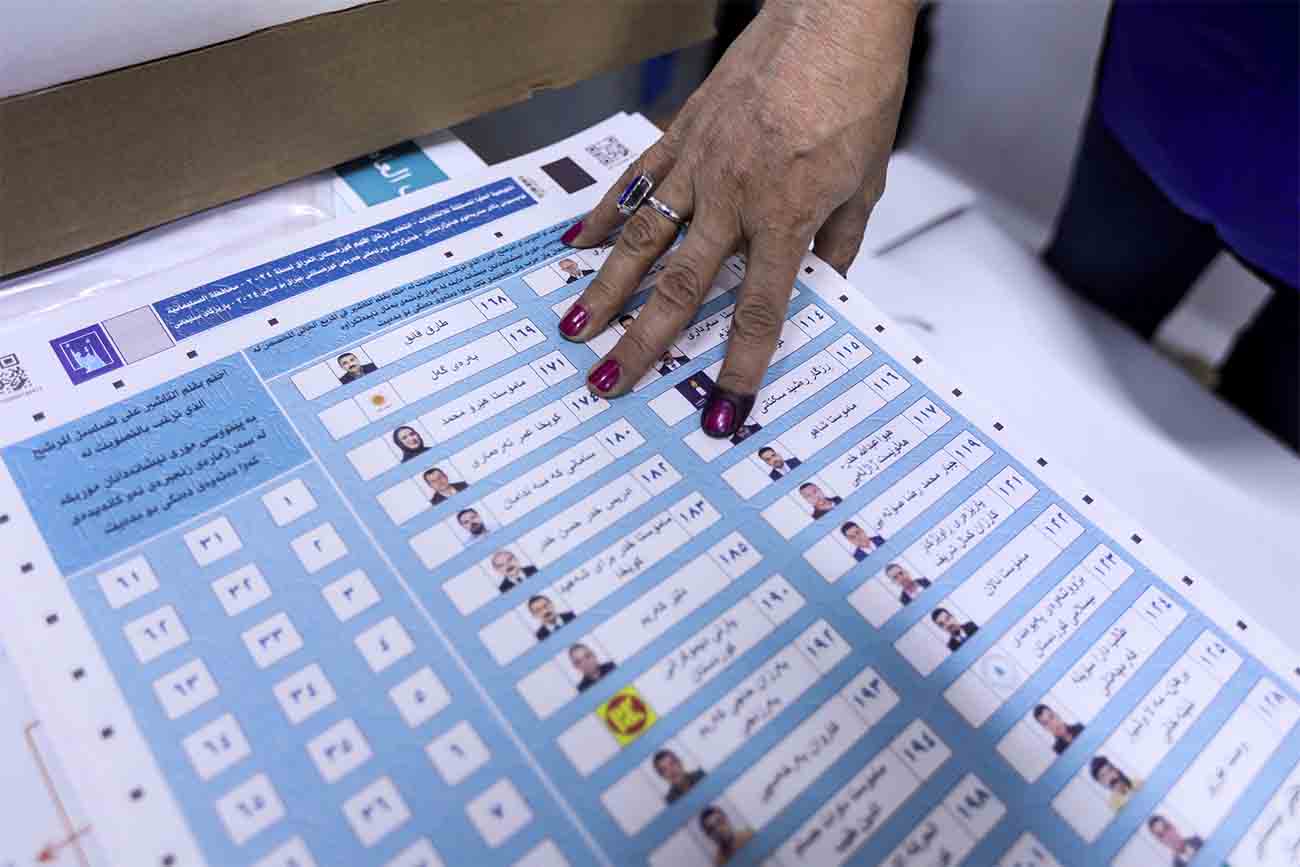
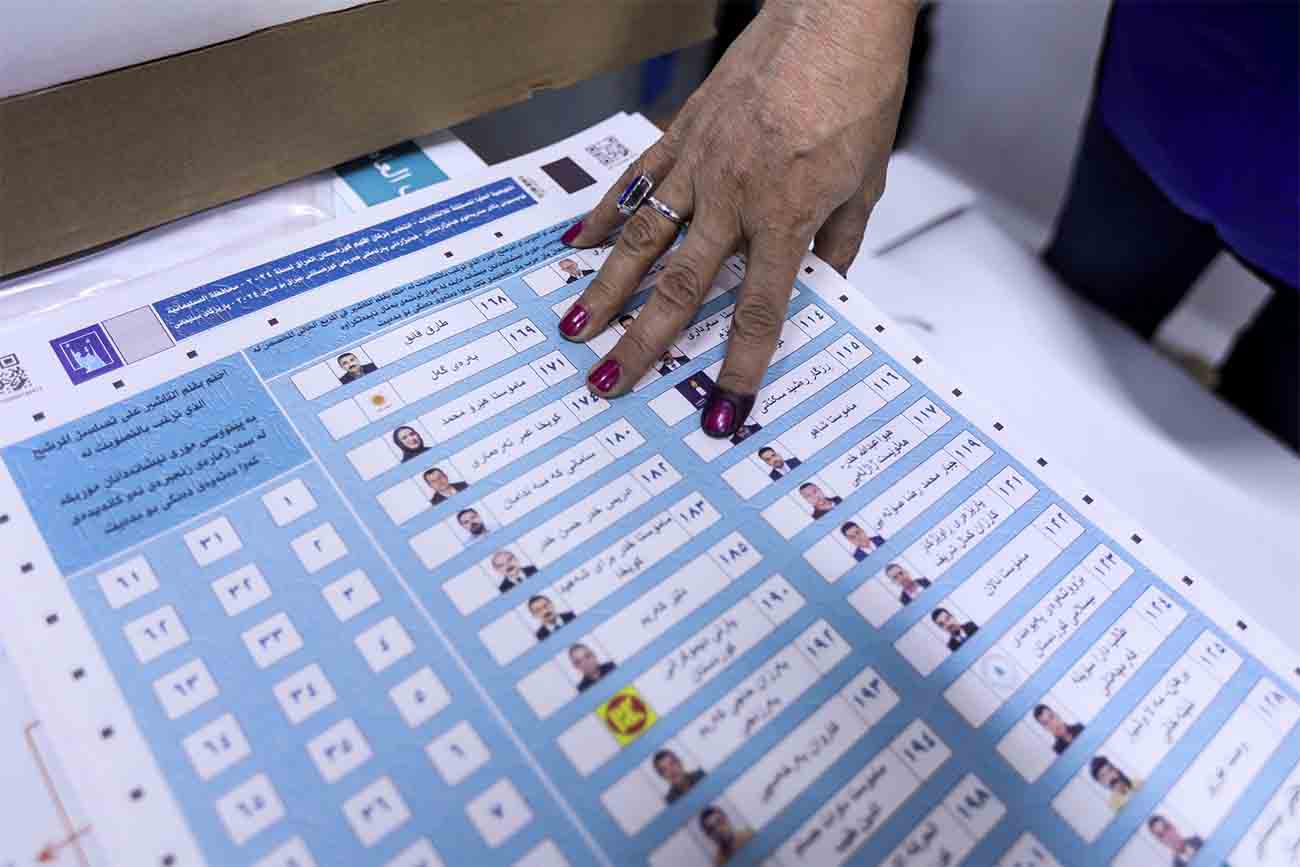
Elections, in no democratic experience, are meant to satisfy everyone. They are a mechanism to regulate political disagreement within society. The winner governs, the loser opposes, and society remains naturally divided. This is not a crisis, but a stable political rule.
What is happening today in the Kurdistan Region reveals a clear deviation from this principle, where election results are no longer the end of the political process, but the beginning of a new dispute over them.
The core of the crisis is not a defect in the elections themselves, but rather the position of the Patriotic Union of Kurdistan, which does not treat its electoral outcome as a final mandate, but rather as an open space for negotiation, demanding positions beyond what the ballot boxes have allocated.
Do elections produce authority based on results, or are they used as a gateway for subsequent redistribution of power?
In this context, the behavior of the Patriotic Union of Kurdistan in Baghdad and Kirkuk reflects an attempt to strengthen its negotiating position through external pressure cards outside the region. This is not a new practice in Kurdish politics, but it carries a clear risk: the more intra-Kurdish disputes are transferred to external arenas, the higher the cost on the region’s image and unity. This approach also includes seeking the approval of political forces and parties in Baghdad and reaching understandings with them, without sufficient regard for the internal Kurdish partner, which strengthens the center at the expense of the region and places the people of Kurdistan before greater political challenges.
This does not absolve other political actors from responsibility in complicating the scene; however, the nature of the current stage requires a direct reading of each party’s positions.
In this context, the issue of public dissatisfaction is sometimes raised. Yet even if partial dissatisfaction exists—which is natural in all democracies—it can never justify re-elections or bypassing electoral results. Societies are not governed by full consensus, but by binding rules for all, whether they are satisfied or not.
On the other hand, the Kurdistan Democratic Party has the capacity to form the largest bloc, yet it understands that any government built on completely breaking balances will remain fragile, even if constitutionally legitimate. This leaves the scene suspended between a party demanding more than its share and another avoiding a decisive settlement.
The danger in this process is not only the delay in forming a government, but the establishment of a political precedent: if you do not like the results… negotiate them or demand their re-run.
The Kurdistan Region today does not need new elections, but rather respect for the existing results and adherence to them as a final reference.
Democracy does not mean that everyone is satisfied, but that everyone complies. Without this principle, elections will remain a temporary station in an endless political conflict.